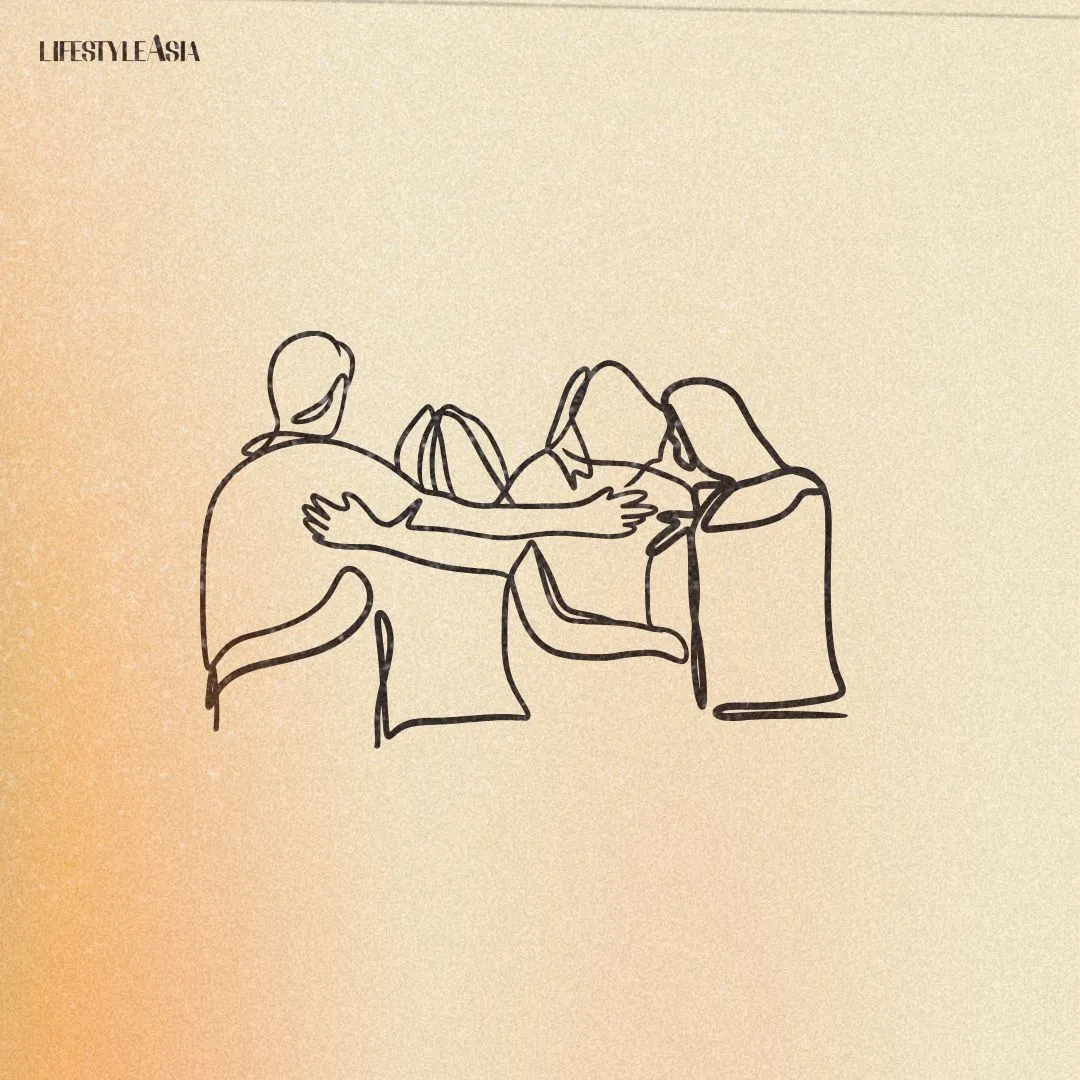
Discover what it truly means to “be a villager” in friendships, and why showing up, even when inconvenient, keeps your village alive.
“If you need a village, you need to be a villager.” This quote has been making the rounds on social media in recent months. At first glance, a chronically online person might joke, “Villager—as in those from Minecraft?” But the message goes much deeper than a video game reference. It’s a reminder of how relationships—especially friendships—truly work.
Friendships might just be one of the easiest and hardest things to navigate in your 20s. Sure, love and career often cast overwhelming shadows that haunt you from time to time, but friendship is the force that keeps you grounded and sane. And with that, the complexities of maintaining these connections naturally come into play.
Going back to the quote, the first time I came across a creator talking about “villages” and “villagers,” it sent me spiraling—reflecting on all the friendships I have, had, and will have. After meeting up with two of my best friends on separate occasions, the message resonated with me even more, making it clear that truly being a villager is what it takes to have a village.

READ ALSO: Weight Loss Drugs And What It Takes To Be A Skinny Legend
What Is A Village?
Before diving deeper into the whole being “villager” aspect of the quote, let’s first talk about what a village is. Jereshia Said, an online business coach, explained it best. “A close-knit group of people that you know would show up for you, no matter what, no matter the occasion—dependable and reliable,” she says in one of her videos.
Your village is the group of people you instinctively call when you’re in trouble—aside from your parents or immediate family. In many ways, your village is your chosen family. They’re the ones who stand by you through your highest highs and lowest lows; who know the right words when you’re crying, your go-to coffee order, and even your deepest secrets. And it’s never a one-way relationship: if they’re the villagers in your village, chances are, you’re one of theirs too.
In sociology, George Homans explored the concept of social exchange—the idea that an individual’s behavior “is a function of its payoffs, of its outcomes, whether rewarding or punishing, and they hold good whether or not the payoffs are provided by the non-human environment or by other human beings,” he explained.
The social exchange theory posits that social behavior functions as a system of give-and-take, where people seek to maximize rewards and minimize costs—much like an economic transaction. In its simplest form, your village consists of the people with whom you share this ongoing exchange.
To quote Georg Simmel, a German sociologist, “Exchange is the purest and most concentrated form of all human interactions in which serious interests are at stake … every conversation, every love (even when requited unfavorably), every game, every act of looking one another over.” In other words, every interaction we engage in, no matter how small or fleeting, carries an element of exchange that shapes the dynamics of our relationships. And when you think about it, that’s what builds your village: the constant, meaningful exchanges that nurture trust, familiarity, and connection over time.
How To Be A Villager?
Now that we’ve established what a village is, the next question is: How can one be a villager? At its core, being a villager is about showing up. It’s about being there fully present for your people. And in doing so, you realize that the true cost of friendship is often inconvenience.
In one of my conversations with my best friend (who I’ve known since fifth grade), we talked about a friend group we had back in high school and the people we no longer keep in touch with. When we asked ourselves why we weren’t as close to them anymore, we realized it came down to one simple thing: on both sides, there was a lack of effort to show up and be present.
I’ll be honest: like them, I didn’t bother reaching out, choosing instead to let the friendship remain frozen in the past. But that realization led me to understand that to be a villager, you have to reach out. You have to be willing to inconvenience yourself—to take the initiative and make the effort to keep your friendships and relationships alive. Even when you’re too lazy to get out of bed, shower, and dress up to meet your friends, paying that small price of inconvenience is what keeps the bond alive and the village thriving.
Recently, another one of my best friends from high school (yes, one person can have multiple best friends) opened her own restaurant. Even though it meant giving up one of my rare slow weekends, I made the trip to support her. It reminded me that being a villager isn’t always convenient, but it’s always worth it.
And while showing up is essential, being a villager also means learning when—and how—to nurture yourself in the process.
An Ode To Friendships, Present And Past
As much as friendship is about showing up for others, it’s also about understanding where you stand with them and with yourself. People grow, schedules shift, and priorities change. Sometimes, the distance isn’t because of falling out or resentment, but simply life taking its natural course. And that’s okay. It doesn’t mean the connection was any less meaningful; it just means it belonged to a different version of who you were.
If lately you’ve noticed fewer invitations or quieter group chats, maybe it’s not because people stopped caring, but because at some point, you might have stopped showing up, and they learned to stop expecting you. It’s not something to feel guilty about; it’s something to reflect on with grace. Friendship, after all, is fluid. You can always rebuild, reach out, or simply cherish what once was without bitterness.
Because in the end, being a villager isn’t just about showing up for others—it’s also about showing kindness to yourself. It’s recognizing that friendships ebb and flow, and that even the ones that fade still leave traces of love, laughter, and lessons that quietly shape who you are today.
Frequently Asked Questions
The phrase, which gained traction on social media, is a reminder that close, dependable friendships require reciprocal effort. To have a network of people who show up for you unconditionally, you must first be willing to show up for them — even when it is inconvenient or effortful to do so.
In friendship terms, a village refers to a close-knit group of people who are dependable and present regardless of circumstance — a chosen family beyond immediate relatives. Drawing on sociologist George Homans’s social exchange theory, a village is built through ongoing, meaningful exchanges of time, support, and presence that nurture trust and connection over time.
Being a villager means taking initiative — reaching out, making plans, and being willing to prioritize your friends even when it is inconvenient. Small acts of presence, such as attending a friend’s milestone event or simply following up after a long silence, are what sustain close friendships through the natural shifts of adult life.
Friendships in your twenties often fade not because of conflict or resentment but because of shifting priorities, busier schedules, and a gradual reduction in reciprocal effort. This is a recognized pattern in adult social development — distance accumulates when one or both people stop showing up consistently, without either party necessarily intending to let the friendship go.
Drifted friendships can be rebuilt through deliberate reconnection — reaching out, acknowledging the distance without guilt, and resuming the exchange of presence and care. Friendships are fluid, and the ones that fade are not necessarily lost; they can be rekindled when both people are willing to show up again.