Some beauty rituals never go out of style—passed down through generations for one simple reason: they work. From your ancestors to you, they’ve kept complexions glowing and looking effortlessly on point for centuries!
Even after thousands of years, ancient beauty rituals continue to shape our modern-day routines. Though refined by technology and enhanced by scientific advancements, their enduring effectiveness is undeniable. Incorporating these time-honored practices into your skincare regimen will elevate it to its fullest potential. They may be ancient, but they are undeniably timeless.
READ ALSO: Stay Fresh With These 5 Perfumes Fit For The Philippine Summer
The Gua Sha Method
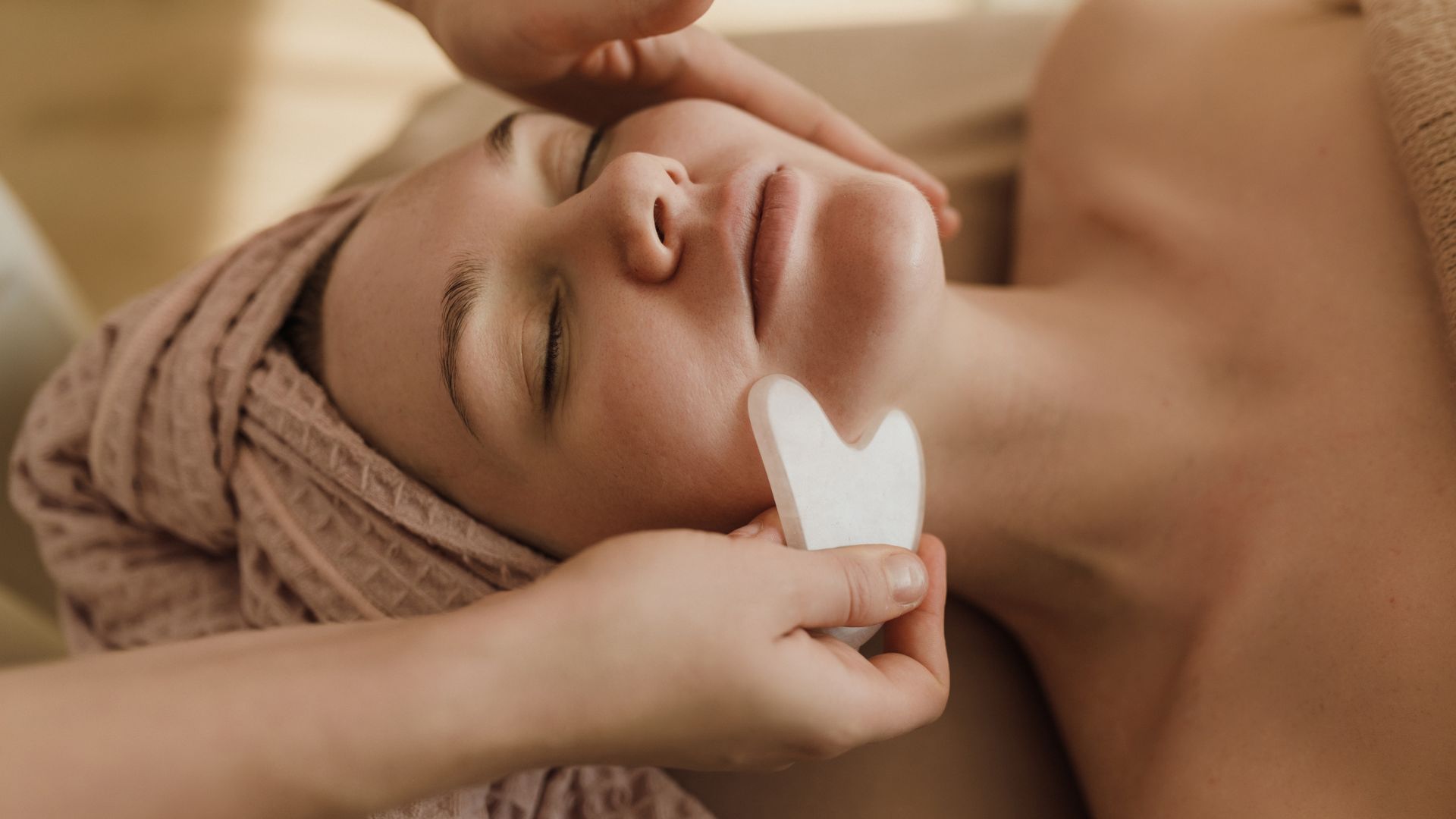
Pronounced “gwa-shah” (which translates to “rubbing” or “scraping”), this technique is a tradition that dates back over 2,000 years and has been used for healing purposes, such as increasing blood circulation, which can help stimulate collagen production, reduce inflammation, and release unwanted toxins and puffiness in desired areas.
Gua Sha is believed to have been practiced as early as the Paleolithic Age, where individuals would gently glide and massage painful areas on their bodies or faces with stones to relieve symptoms. This practice promotes lymphatic drainage, leading to multiple benefits for the body. It is also a natural way to enhance skin elasticity and brighten the complexion by stimulating collagen production.
Tools used on the facial region include various stone types such as rose quartz, jade, black obsidian, and amethyst. Stainless steel can also be used. Choosing the right tool depends on personal preference, as different stones offer unique health benefits. For instance, jade helps restore balance and promote healing, while rose quartz encourages self-love, reflection, and acceptance. Black obsidian relieves stress and cleanses negative energy, whereas amethyst promotes peace of mind and relaxation.
Our Tip: Before doing Gua Sha, always remember to cleanse your skin before using your stone or device. It is also important to ensure that your face is clean and free of dirt, makeup residue, or other skincare products.
Once clean, apply a serum or oil gently to your face or body to allow the stone to glide smoothly across target areas. Make sure to apply light to medium pressure, gliding upwards and sideways to increase blood circulation and reduce puffiness. Be extra careful around the eye area, as the skin there is especially sensitive.
We recommend starting this method once a week before gradually increasing it to two or three times a week, allowing the skin to adjust to the routine and observe changes.
Dry Brushing
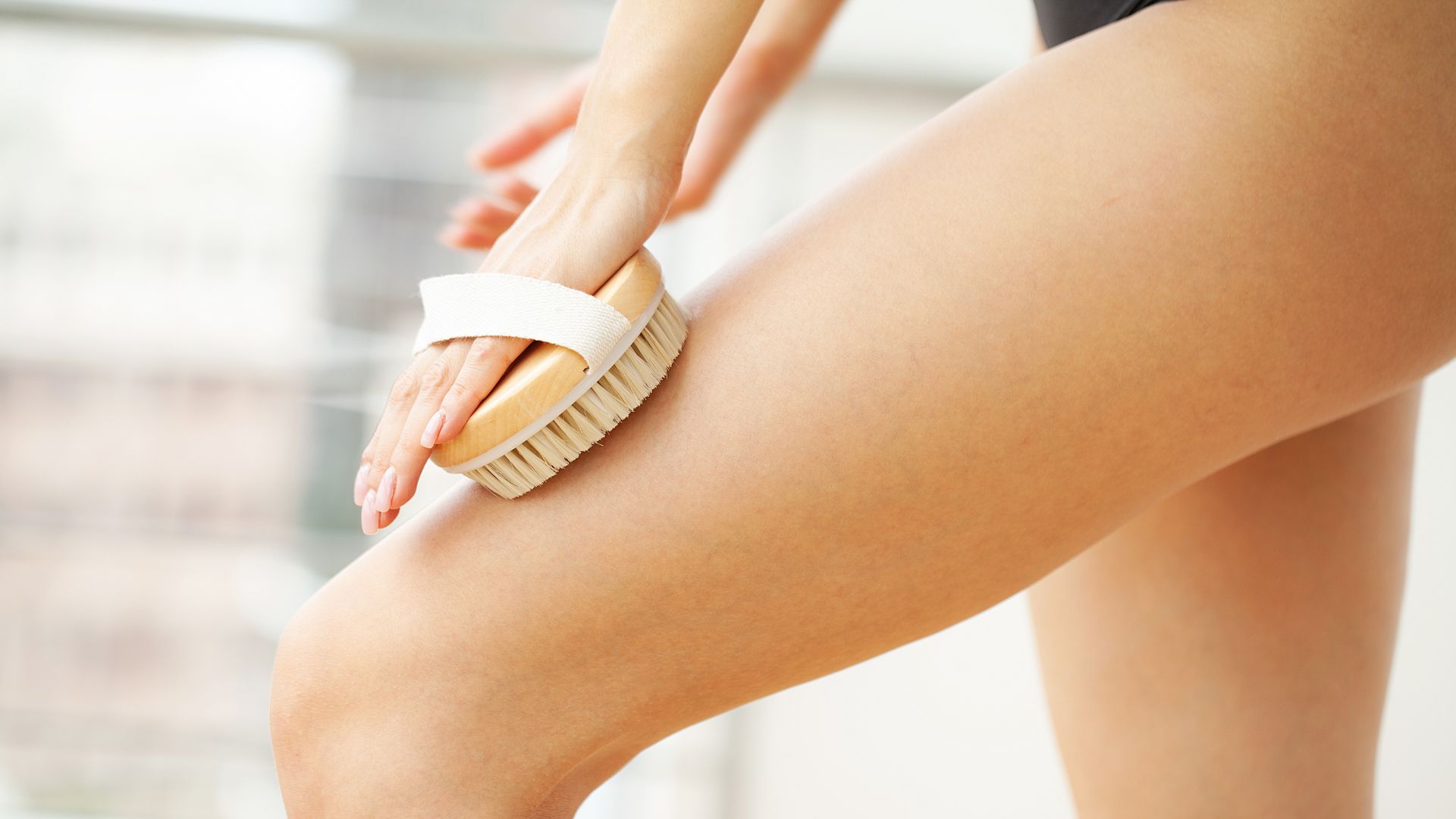
Dry brushing is an ancient Ayurvedic method that involves brushing the skin with coarse natural fibers. It is used for exfoliation, the removal of dead skin cells, boosting immunity, reducing water retention, and promoting circulation in the body.
The ancient Romans and Greeks practiced this method using a curved metal tool called a ‘strigilis,’ applying it after a workout and before bathing to enhance their overall wellness. Today, dry brushing is often done using body brushes made from boar, goat, or horse hair. These bristles are firm yet gentle enough to effectively exfoliate the skin.
Our Tip: When practicing the dry brushing method, it’s important to start from the feet, as this helps promote blood circulation. Then, work upwards toward the heart in a circular motion, brushing each area with multiple strokes.
Begin with the legs, followed by the arms and hands using the same motion. Then, brush the abdomen and armpits, followed by the shoulders, neck, and back. Finally, move toward the chest area, using light pressure. After finishing, shower immediately. To lock in hydration, moisturize with lotion, cream, or oil.
The Benefits of Natural Ingredients
Traditional ingredients have stood the test of time and continue to inspire modern-day practices. For instance, Cleopatra, renowned for her beauty, allegedly bathed in donkey milk for its skin-rejuvenating and anti-aging benefits. This ancient Egyptian practice is still embraced today, with some skincare products and beauty treatments combining equal parts raw honey and milk to cleanse the face. This mixture naturally and gently exfoliates and hydrates the skin, resulting in a fresher, more youthful appearance.
On the other hand, olive oil, which originated in ancient Greece and Rome, contains properties once used to treat sunburns, insect bites, and other skin conditions. Today, it is still valued for its hydrating benefits. When mixed with salt, it serves as a detoxifying exfoliator to remove dead skin. When combined with sugar, it acts as a moisturizing exfoliator
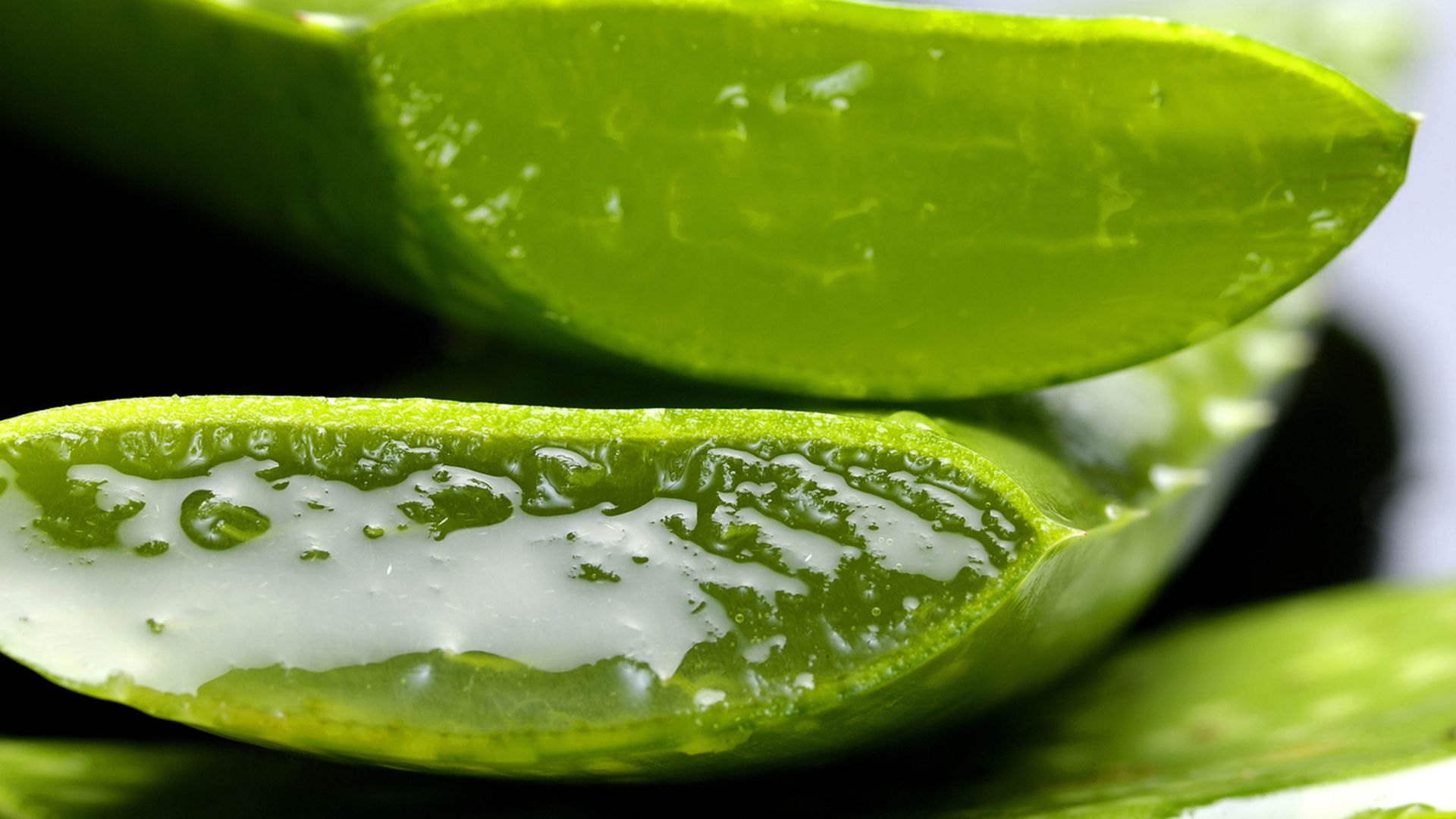
Aloe vera was used in ancient Egypt, Greece, and China for various purposes. It was valued for its antibacterial and antiseptic properties, making it an effective remedy for healing wounds. It was also taken orally as a laxative and applied topically to soothe sunburns.
Today, aloe vera extract is widely popular and commonly used in facial masks and hair treatments due to its moisturizing properties, which help improve skin conditions and soothe scalp irritations. We recommend keeping an aloe vera plant at home—simply slice off a piece and extract the gel-like substance that everyone loves.
Finally, coconut oil has been used for centuries in various ancient cultures for religious ceremonies, rituals, and healing practices. Beyond its culinary uses, coconut oil remains a popular ingredient in modern hair treatments. Massaging it into the scalp and leaving it on overnight allows for deep moisturization, helping to nourish hair strands and prevent breakage.
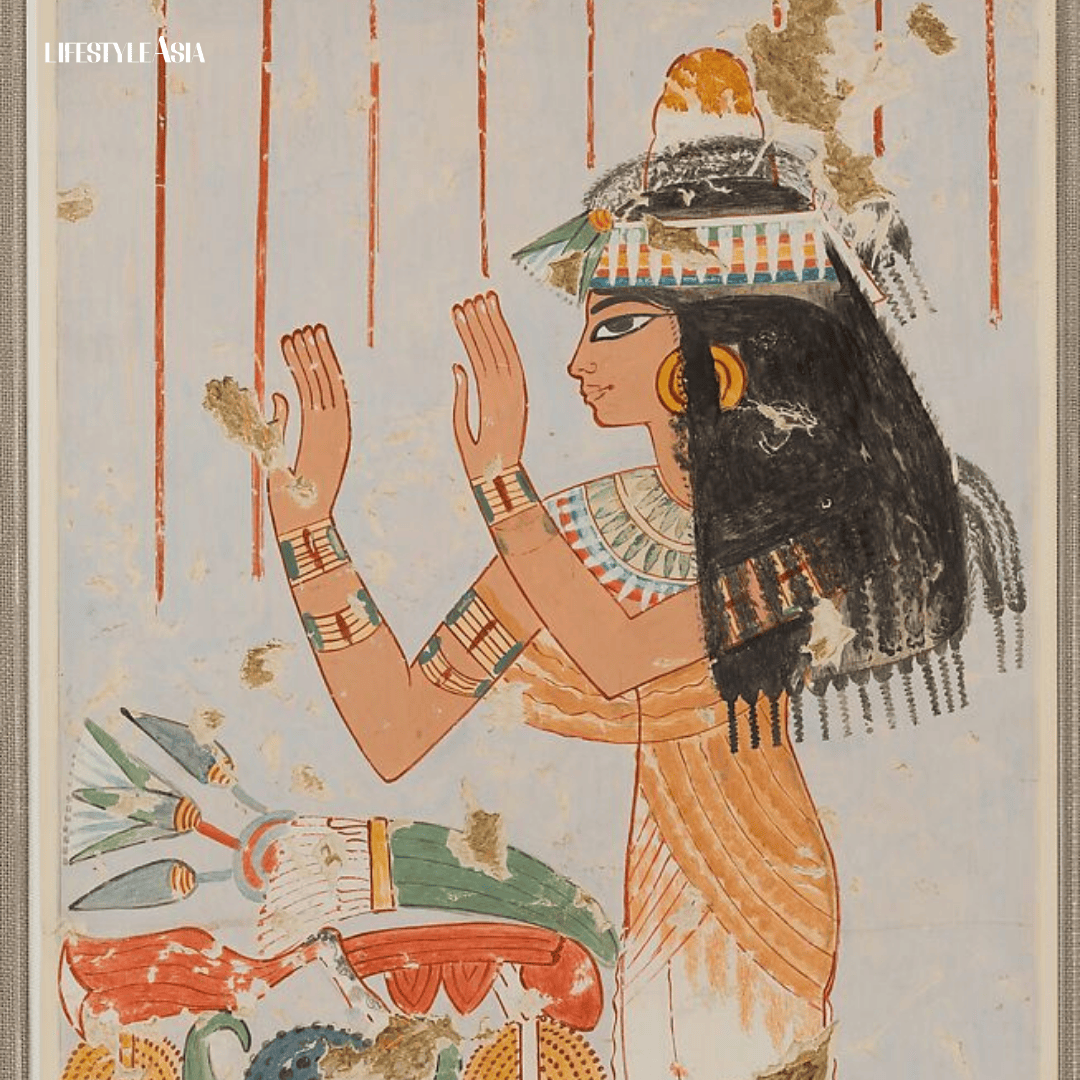
Banner photo credits “Menna’s Daughter Offering to her Parents, Tomb of Menna” (Nina de Garis Davies 1881-1965), Rogers Fund (1930), from the collection of the Metropolitan Museum
Frequently Asked Questions
Ancient beauty rituals like Gua Sha and dry brushing have stood the test of time. Gua Sha, originating over 2,000 years ago, involves scraping the skin with smooth-edged tools to promote circulation and lymphatic drainage. Dry brushing, practiced by ancient Romans and Greeks, uses coarse natural fibers to exfoliate the skin, boost circulation, and promote overall wellness.
Traditional beauty treatments, when practiced correctly, can be highly effective. Techniques like Gua Sha stimulate blood circulation and collagen production, leading to improved skin elasticity and reduced puffiness. Dry brushing exfoliates the skin, removes dead cells, and enhances lymphatic flow, contributing to smoother and healthier skin.
Gua Sha is a traditional technique that involves scraping the skin with smooth-edged tools, such as jade or rose quartz stones. This practice stimulates blood circulation, promotes lymphatic drainage, and can reduce inflammation and puffiness. It’s believed to enhance skin elasticity and brighten the complexion by stimulating collagen production.
Dry brushing is an ancient Ayurvedic method that involves brushing the skin with coarse natural fibers to exfoliate dead skin cells, boost circulation, and promote lymphatic drainage. It also helps reduce water retention and can enhance overall skin texture. The practice dates back to ancient Roman and Greek times, where it was used for wellness purposes.
Ancient beauty practices utilized natural ingredients like aloe vera, honey, and various herbs for skincare. Aloe vera was used for its soothing and healing properties, while honey served as a natural humectant to retain moisture. These ingredients continue to be popular in modern skincare for their effectiveness and natural origins.