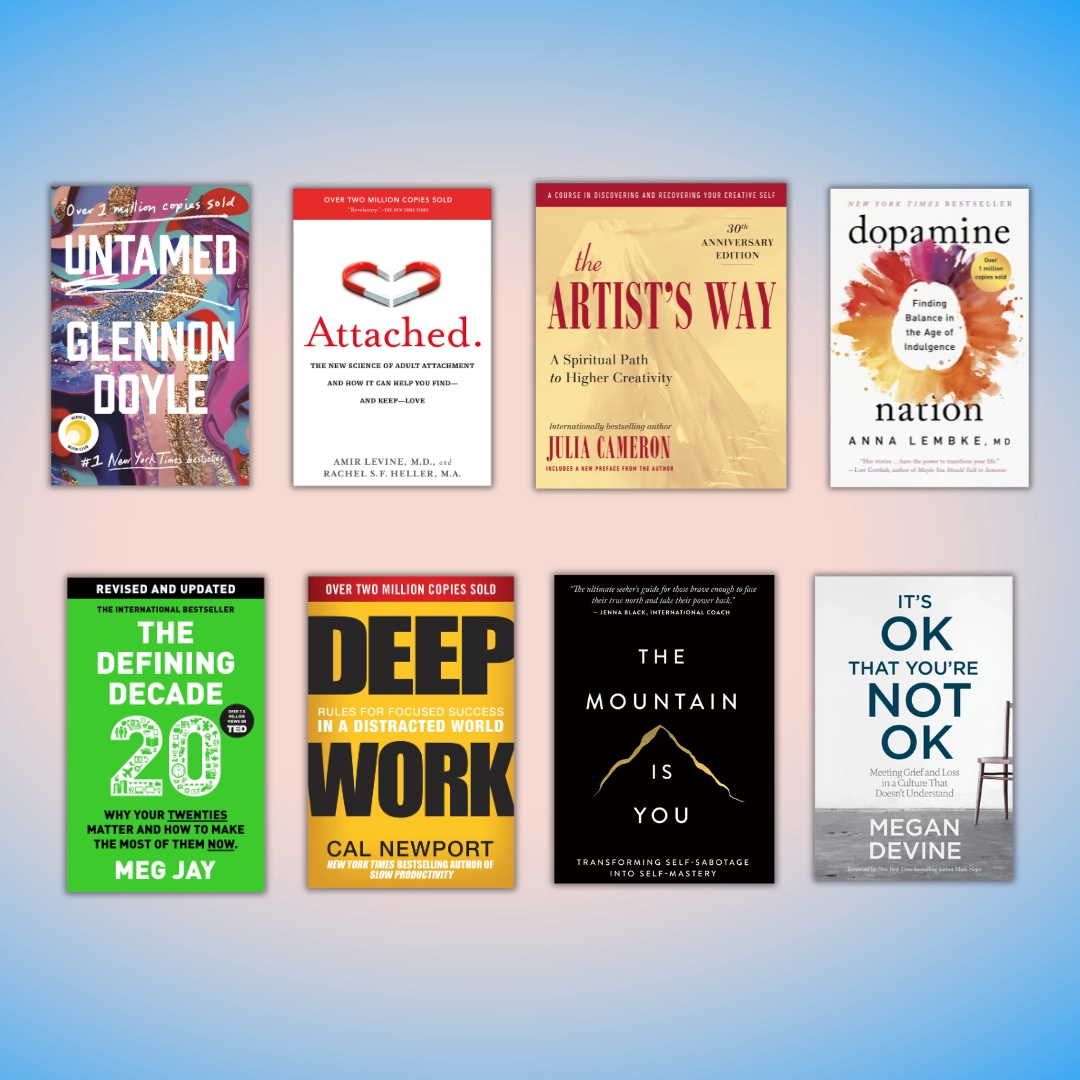
Instead of promising to fix everything, these self-help books focus on the particular challenges that can keep you feeling stuck.
Self-help books work best when they meet you where you are, not where you think you should be. Some address emotional patterns like self-sabotage, grief, or unhealthy attachments, others focus on rebuilding focus or a sense of direction. Though the genre can be stereotyped as vague, one-size-fits-all advice, the better books in this space are narrow by design.
Each book below zeroes in on a specific struggle, whether that’s breaking a cycle of overconsumption, learning to sit with loss, or finally starting the creative project you’ve put off for years. Pick the one that matches what’s pulling at you right now. You don’t need to read them in order, and you don’t necessarily have to read the ones listed below. Rather, treat this as a shelf you can return to as different challenges come up. The right book at the right moment can shift how you think about a problem you’ve been ruminating on for a while.
READ ALSO: 6 Books That Will Change The Way You Think About Food
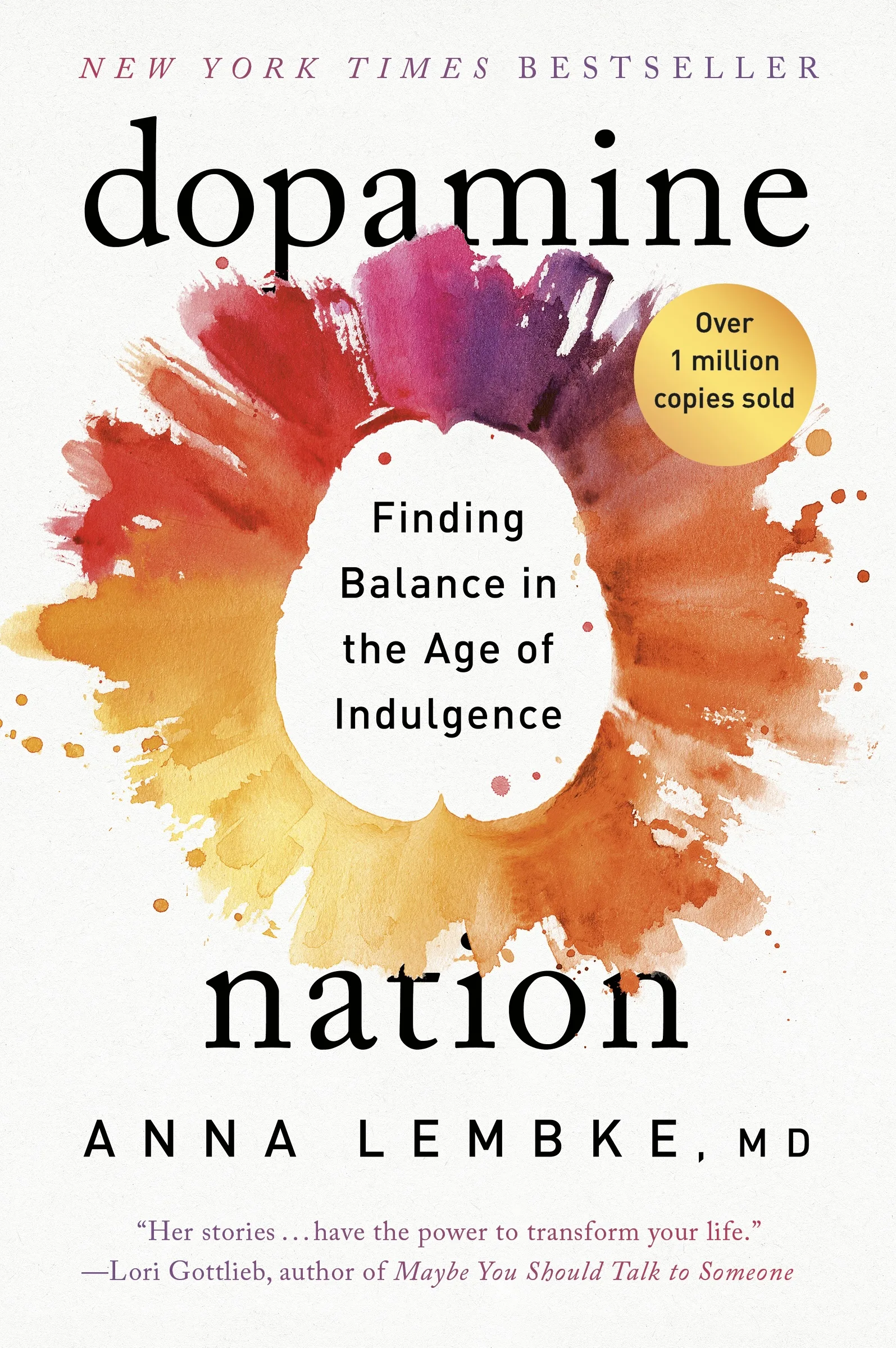
Dopamine Nation by Anna Lembke
For the overstimulated. Dopamine Nation looks at why so many of us feel stuck in cycles of overconsumption, whether that’s scrolling, sugar, alcohol, or anything else that gives a quick hit of pleasure. Lembke, a psychiatrist, explains the balance between pleasure and pain in the brain, and why constant stimulation leaves people more anxious and less satisfied over time. The book offers a practical framework for resetting that balance, including the idea of a “dopamine fast,” which involves taking a temporary break from overstimulating behaviors like social media.
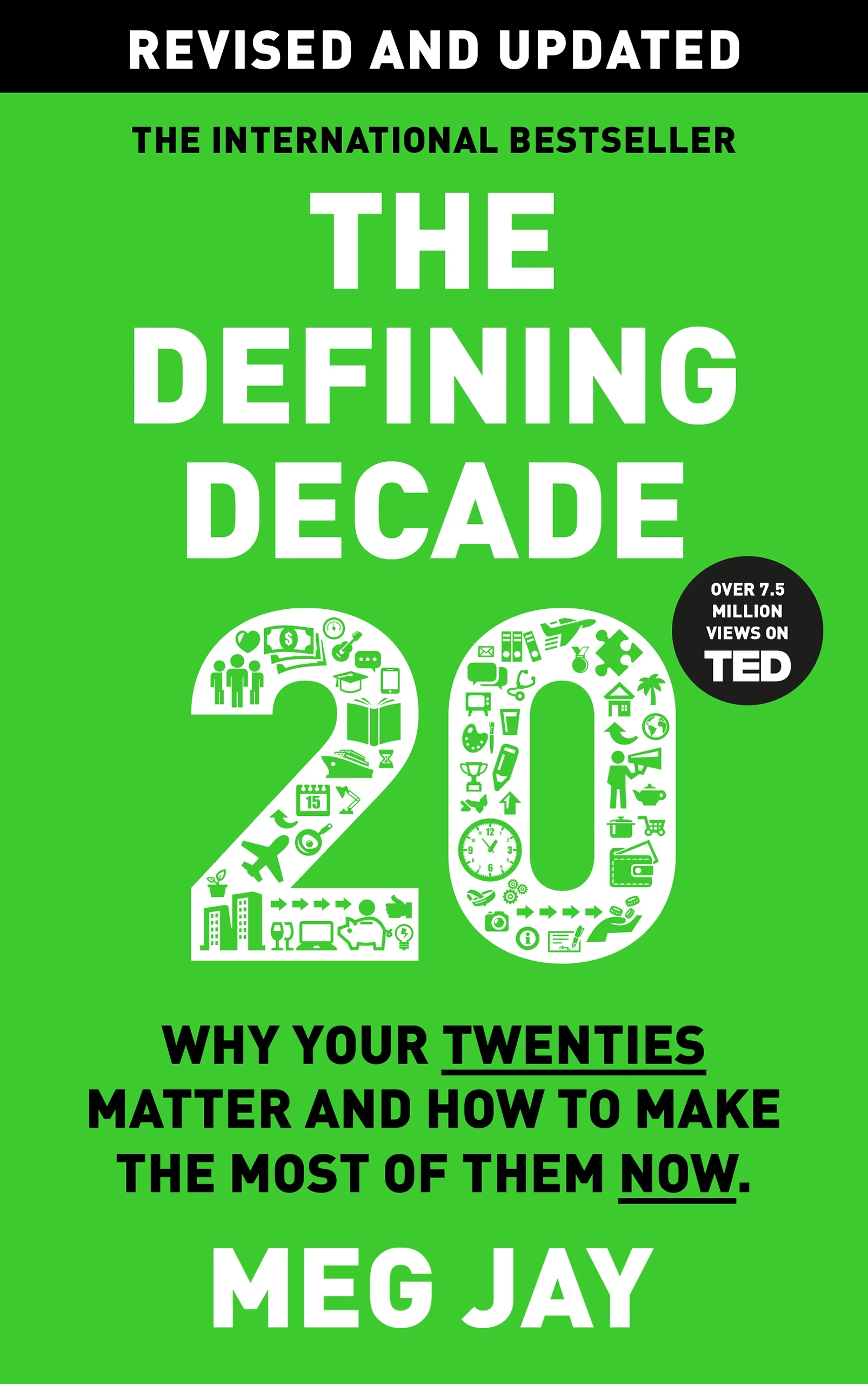
The Defining Decade by Meg Jay
For the 20-something feeling behind. The Defining Decade argues that your twenties aren’t a throwaway decade before “real life” starts. Jay, a clinical psychologist, draws on client stories and research to show how career moves, relationships, and even brain development in this period shape the decades that follow. It’s meant to counter the “you have so much time” narrative with a more urgent, though not alarmist, case for being intentional early.
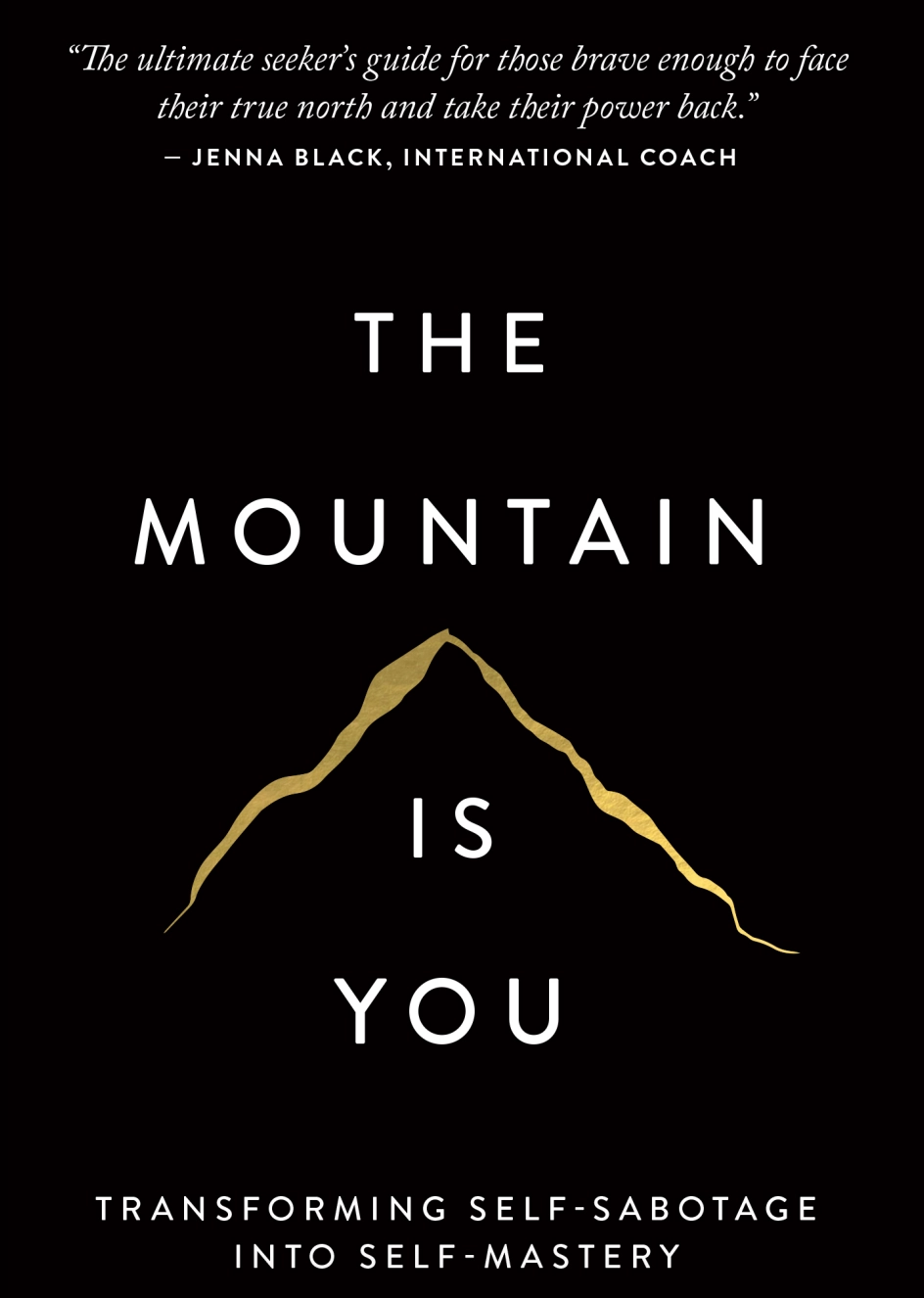
The Mountain Is You by Brianna Wiest
For anyone stuck in a rut. The Mountain Is You is about self-sabotage. It digs into why people repeat unhelpful patterns even when they know better. It frames personal growth as an internal climb rather than something that happens to you. The tone is more reflective and essay-like than clinical, and it works well as a book to dip into rather than read straight through.
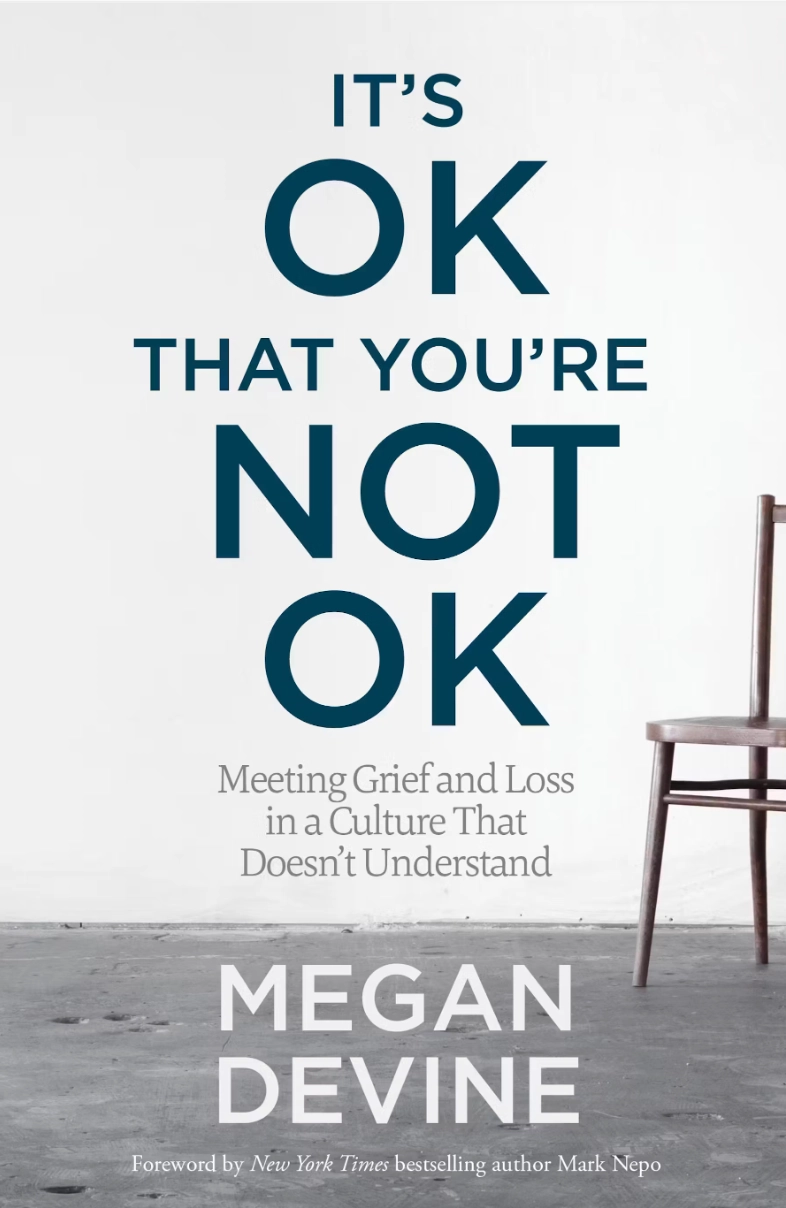
It’s OK That You’re Not OK by Megan Devine
For grief, without the pressure to fix it. It’s OK That You’re Not OK pushes back against a cultureCultureshared traditions, beliefs, values, customs, arts, and social practices that define the identity and way of life of a community, society, or nation.Go to Culture Glossary that treats grief as a problem to solve. Devine, a therapist who’d lost her partner suddenly, argues that grief doesn’t need to be corrected. It just needs to be witnessed and supported. It’s especially useful for people who feel judged for grieving “too long,” or for those trying to support someone else through loss.
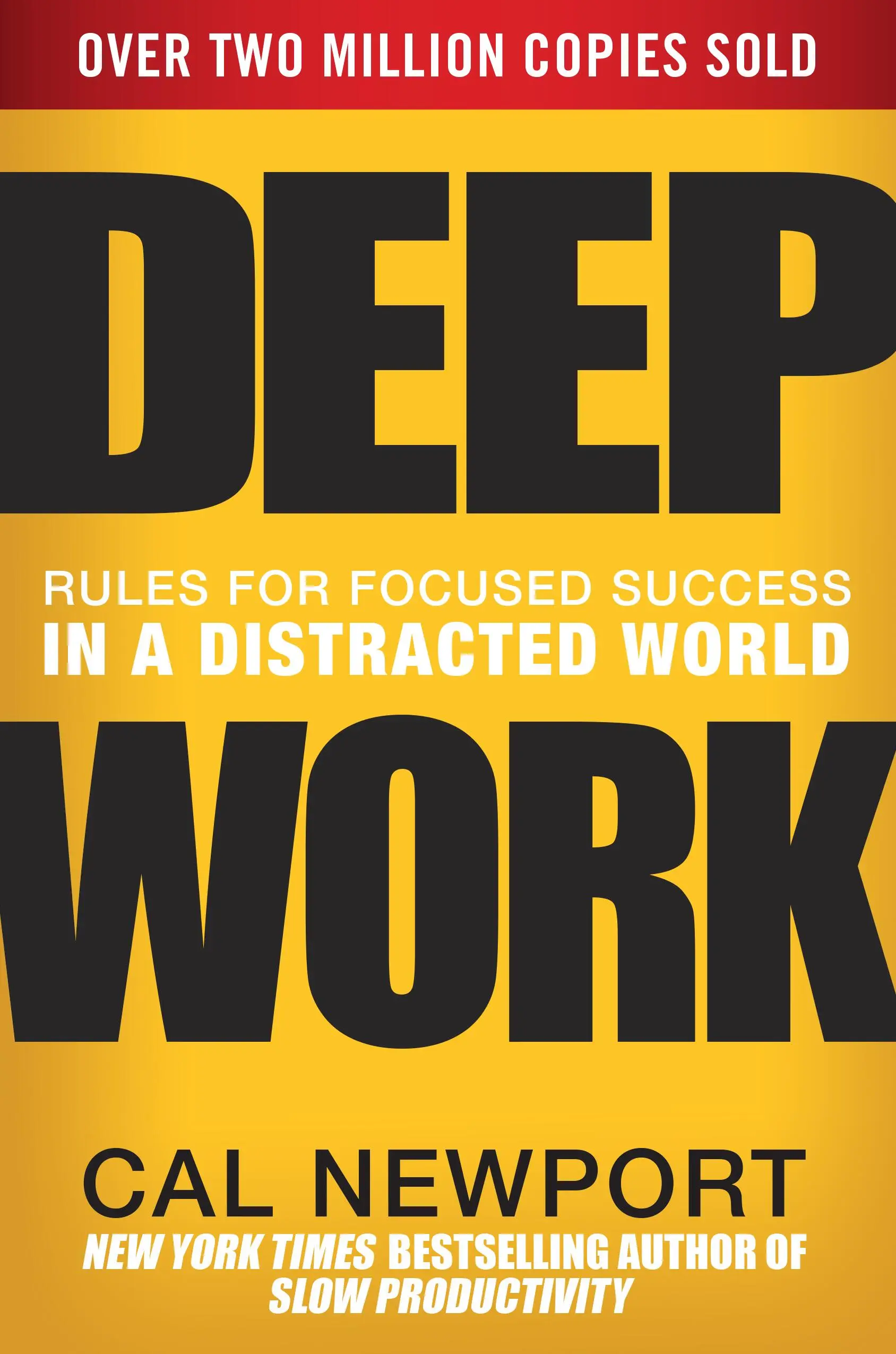
Deep Work by Cal Newport
For the chronically distracted. Deep Work makes the case that the ability to focus without distraction is becoming both rarer and more valuable. Newport, a computer science professor, separates “deep work” (cognitively demanding, high-value tasks) from “shallow work” (busywork, email, meetings), and lays out habits and rules for protecting time for the former.
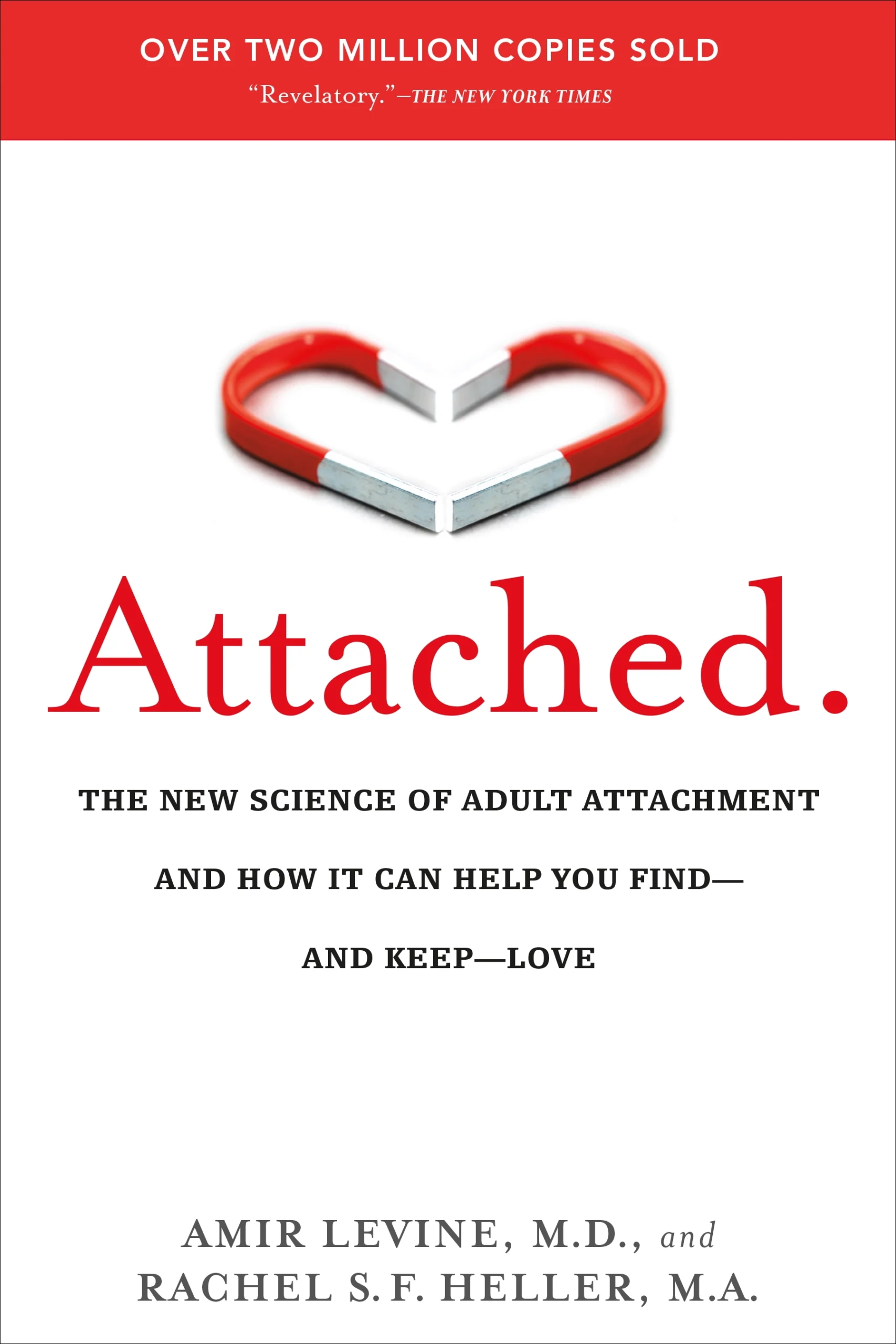
Attached by Amir Levine & Rachel Heller
For understanding your relationship patterns. Attached applies attachment theory, originally about the bond between infants and caregivers, to adult romantic relationships. The authors outline three attachment styles (anxious, avoidant, secure) and how they play out in dating and partnership. It’s a practical, sometimes quiz-based read that helps explain why certain relationship dynamics keep repeating. The goal is to use that awareness to communicate needs more clearly and choose partners who are a better fit.
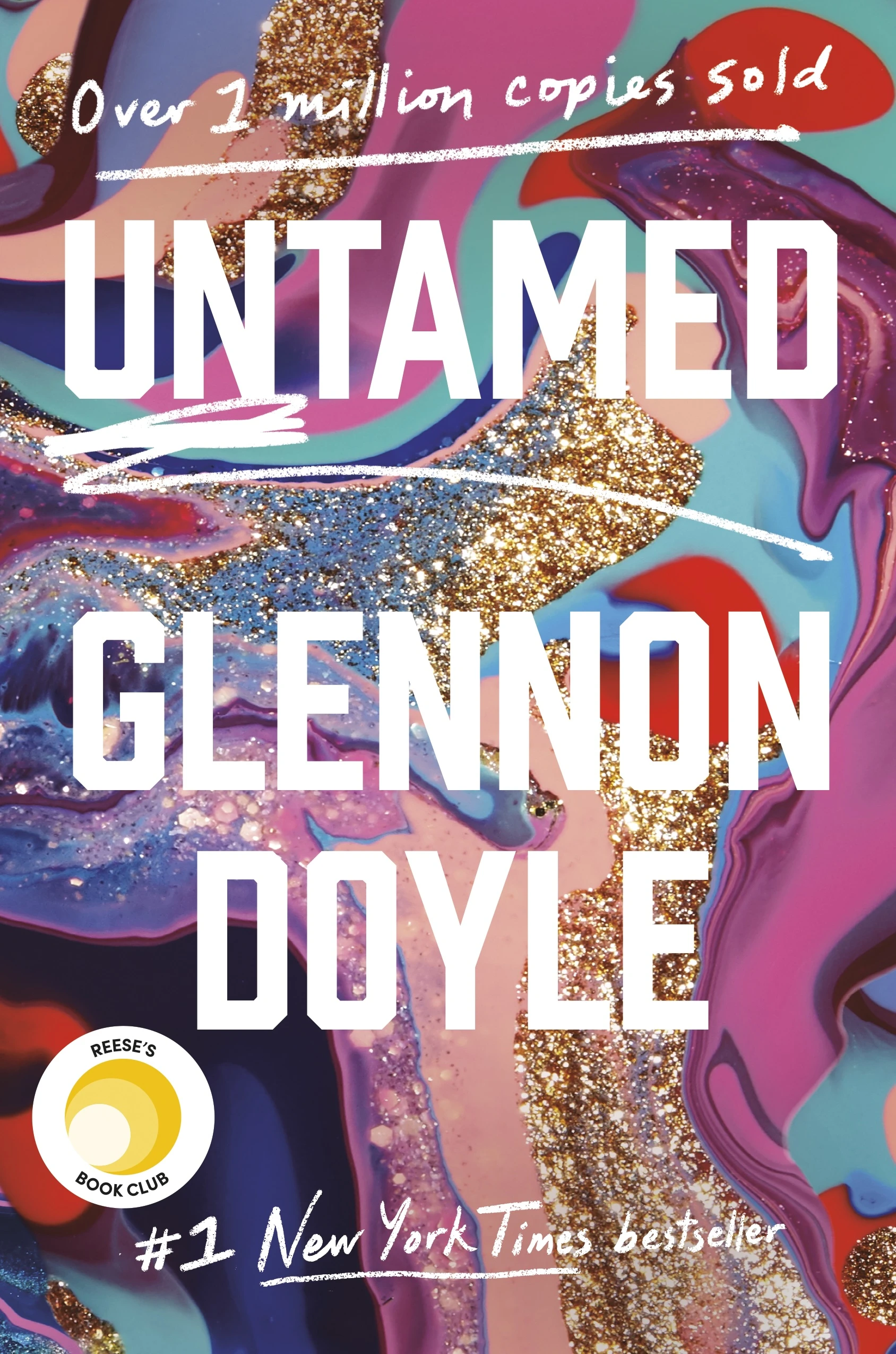
Untamed by Glennon Doyle
For breaking away from expectations. Untamed is part memoir, part manifesto, tracing the author’s decision to leave her marriage and follow her own instincts rather than what was expected of her as a wife, mother, and well-known podcaster. It’s written in short, punchy chapters and deals with themes of identity, obligation, and what it means to trust yourself over external approval. It resonates most with people questioning a role they’ve outgrown.
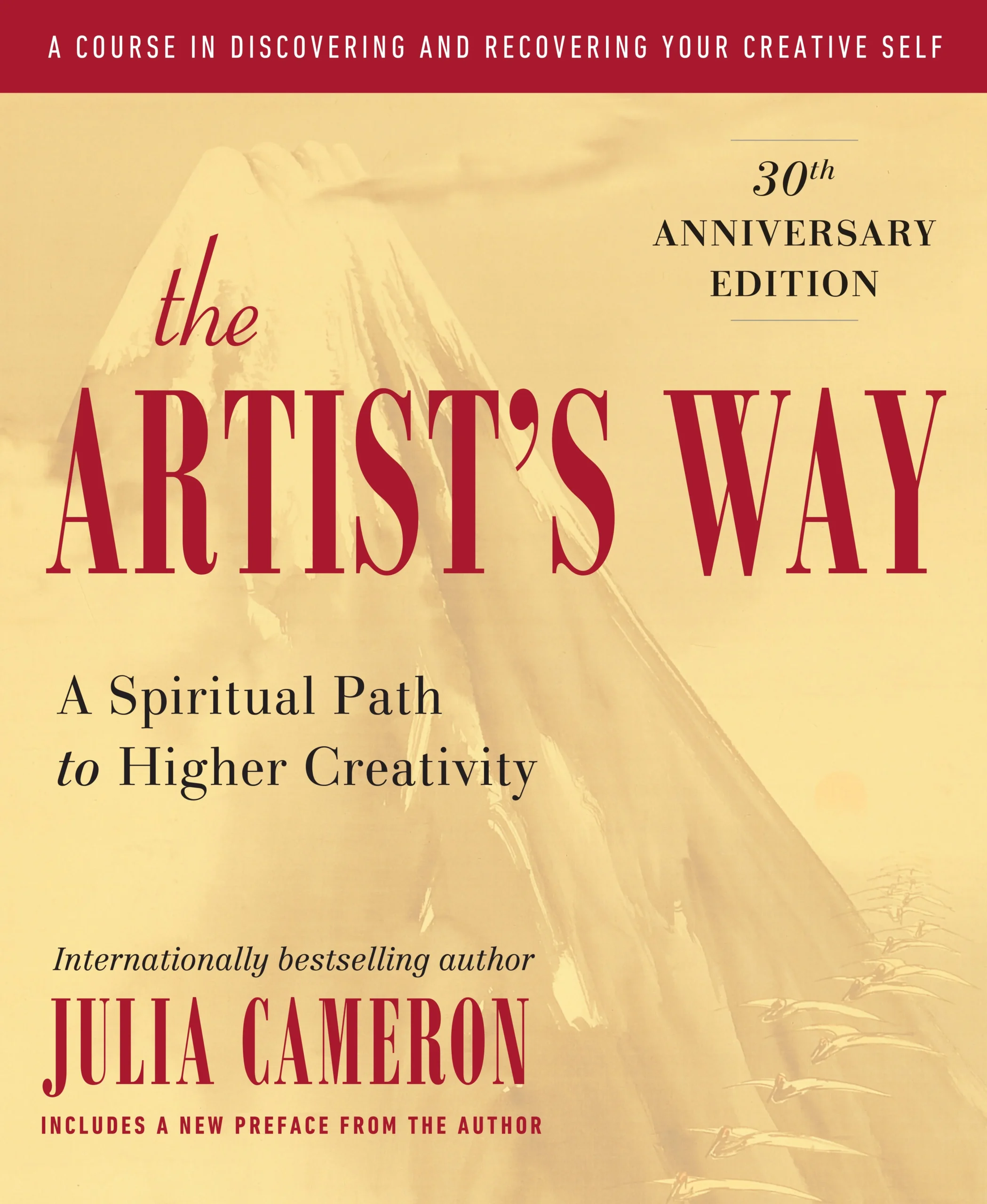
The Artist’s Way by Julia Cameron
For unlocking creative blocks. The Artist’s Way by Julia Cameron is structured as a 12-week program built around two core practices: morning pages (three pages of unfiltered longhand writing each day) and artist dates (solo outings to nourish your creative side). Cameron treats creativity as something everyone has access to, not just “career artists,” and frames blocks as fear or old wounds rather than a lack of talent. It’s one of the most widely used books for people trying to restart a creative practice after years of dormancy.
Frequently Asked Questions
Some self-help books recommended for different life challenges include Dopamine Nation, The Defining Decade, The Mountain Is You, It’s OK That You’re Not OK, Deep Work, Attached, Untamed, and The Artist’s Way.
The Mountain Is You explores self-sabotage and recurring patterns, while The Defining Decade encourages intentional decisions about careers, relationships, and the future.
Dopamine Nation examines cycles of overconsumption and constant stimulation, while Deep Work focuses on reducing distractions and protecting time for concentrated work.
Attached explores attachment styles in romantic relationships, It’s OK That You’re Not OK addresses grief, and Untamed examines identity and external expectations.
The Artist’s Way provides practices for restarting a creative practice, while Untamed explores identity, obligation, and trusting yourself over external approval.