Brewing your own probiotics isn’t just about health—it’s about reclaiming the process, cutting costs, and finding small, tangible wins in your daily routine.
Probiotics might be the most overlooked health hack of our time. Beyond just aiding digestion, they’re metabolic powerhouses fueled by good bacteria. This explains why kitchen science is currently dominating TikTok, with creators swapping soda for home-brewed kombucha. But there’s more to it than just chasing better gut health; the process of physically fermenting your own drinks reveals a growing fascination with the “mechanics” of food—a move away from the mystery of factory-made products and back to something we can see, smell, and control.
READ ALSO: Why Bouldering Might Be The Smartest Workout In Manila Right Now
An Extension Of The Analog Movement
There’s something quietly satisfying about drinking something that didn’t come off a factory line but from your own kitchen counter. Culturing your own probiotic drink feels a bit like opting out of the hyper-processed loop, just as people are returning to film cameras or handwritten notes. You’re making the most out of the process, following each step while at the same time enjoying the slow but highly tactile steps of making a fizzy and healthy drink. At the end, you’re not just consuming—you’re tending.
Making a probiotic drink also makes practical sense, especially now that prices are creeping up and “wellness” drinks somehow cost as much as a full meal, making your own starts to feel less like a hobby and more like a small act of financial clarity. A single starter cultureCultureshared traditions, beliefs, values, customs, arts, and social practices that define the identity and way of life of a community, society, or nation.Go to Culture Glossary can last for months, even years, if you take care of it, and the rest of the ingredients: tea, sugar, water, are hardly luxury ingredients. What you get is a steady supply of something that would otherwise be marked up for branding, bottling, and a well-placed refrigerator shelf.
And unlike most wellness trends that arrive pre-packaged and overpromised, this one asks for patience. A jar, some tea, sugar, a starter cultureCultureshared traditions, beliefs, values, customs, arts, and social practices that define the identity and way of life of a community, society, or nation.Go to Culture Glossary—and then you wait. You watch it change. You taste it evolve. The result is something that feels earned, not engineered. A drink that quite literally carries the imprint of your environment, your timing, your care. Not to romanticize bacteria, but there’s a certain intimacy to it.
The Obvious Medical Benefits Of Probiotics
Let’s get the science part out of the way—because it is doing something, beyond making you feel like a domestic alchemist.
On digestion: probiotics help maintain a balanced gut microbiome, which is basically your body’s internal ecosystem. When that’s in order, things move more smoothly—less bloating, fewer moments of regret after a heavy meal. According to Shilia Jacob Kurian’s research, these beneficial microbes stabilize intestinal flora and even produce compounds that help break down food more efficiently.
In terms of immunity, your gut is doing more heavy lifting than you think. A significant portion of your immune system is tied to it, and probiotics help regulate that response. They interact with immune cells, helping your body distinguish between what’s harmless and what’s not—like a well-trained bouncer at the door. Studies note that probiotics can stimulate immune activity and even reduce inflammation by influencing how immune cells behave.
And then there’s bioavailability, which sounds clinical but is actually quite practical. Fermentation breaks nutrients down into simpler forms, so your body doesn’t have to work overtime to absorb them. In other words, you’re getting more out of what’s already there—vitamins, minerals, all of it. It’s less about adding, more about unlocking.
How To Make Your Own Probiotic Drink
It’s easier than it sounds, and no, you don’t need a lab setup—just a bit of commitment and a tolerance for things that look slightly strange before they become delicious.
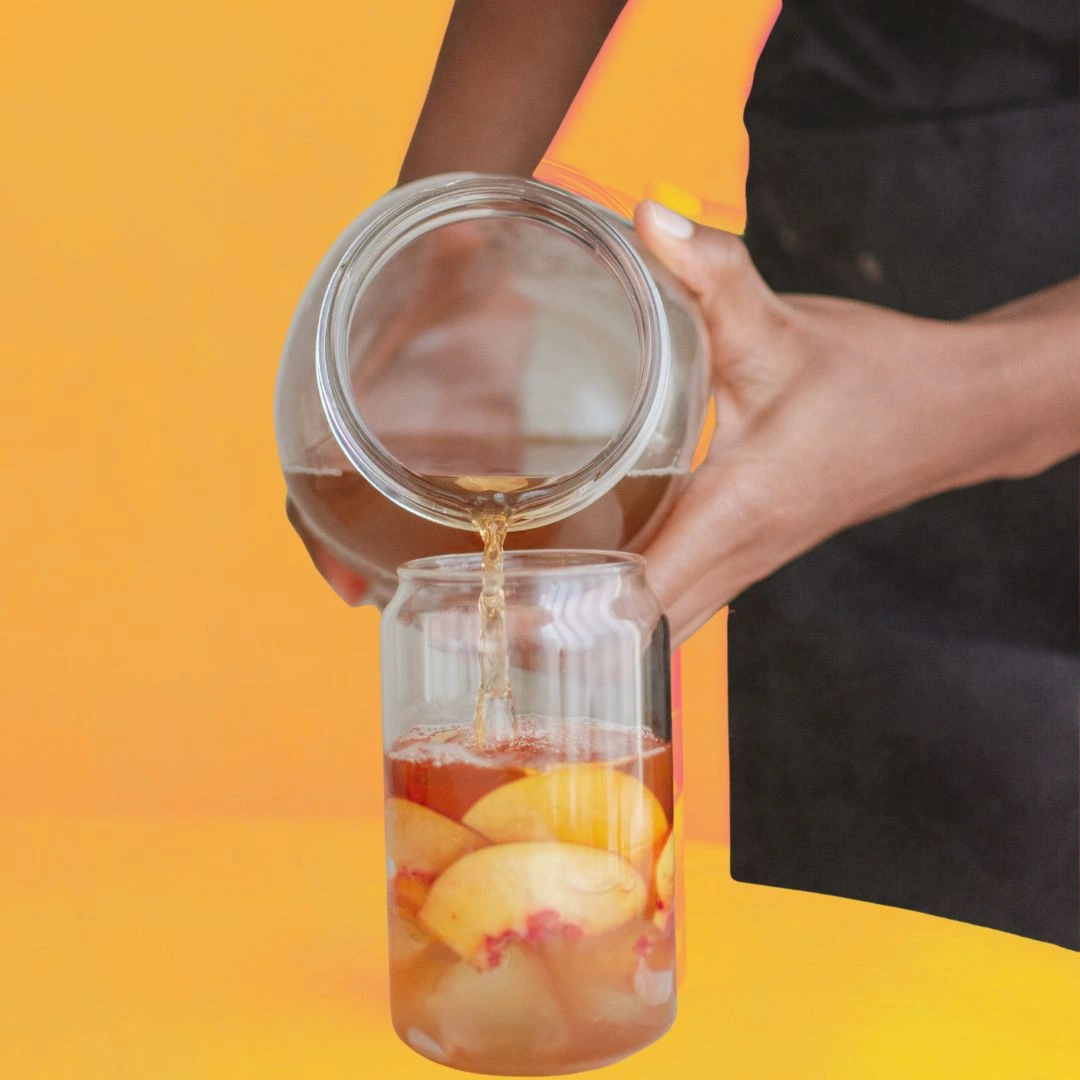
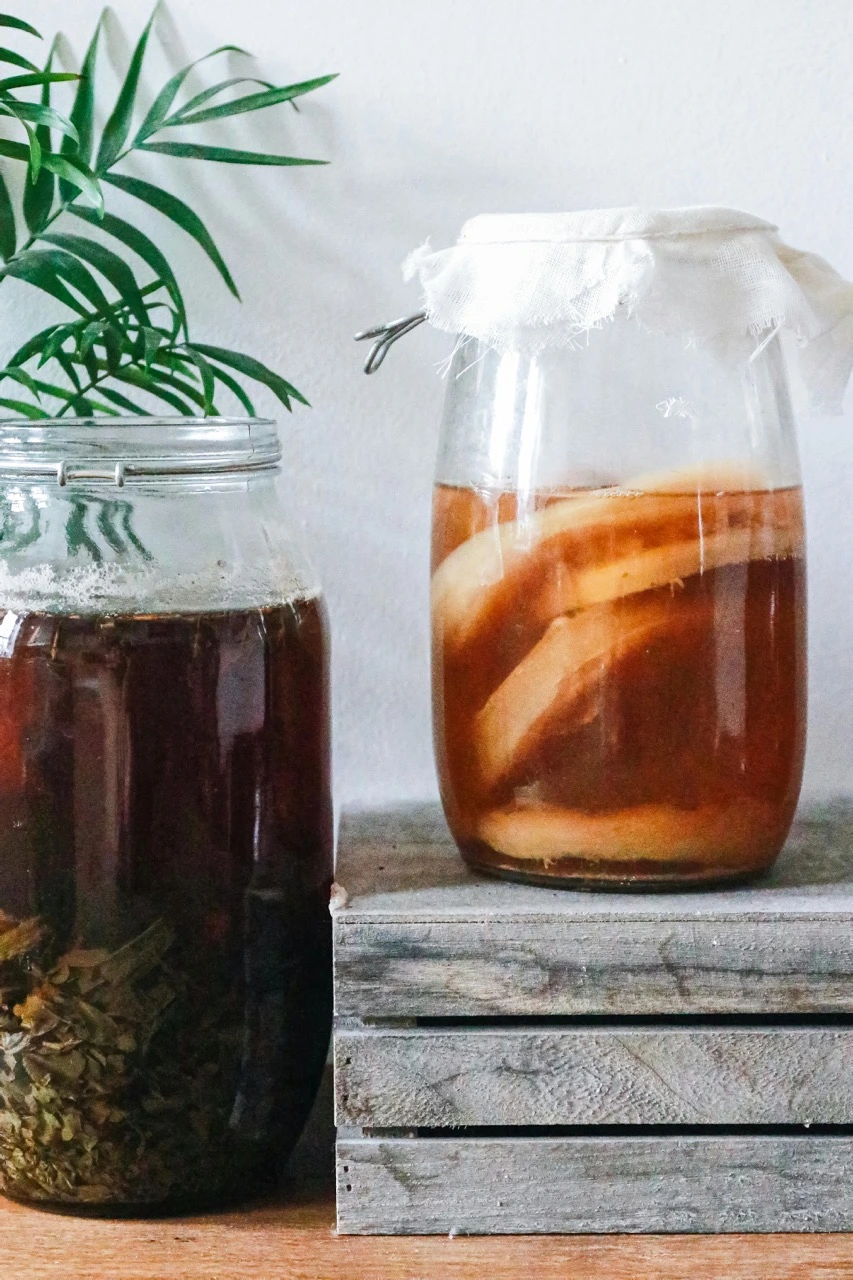
Start with a base: sweetened tea is the classic route if you’re making something like kombucha. Add your starter culture (a SCOBY, if we’re being proper about it), and let it sit in a clean glass jar. Cover it with a cloth, leave it somewhere at room temperature, and then—this is the hardest part—leave it alone.
Over a few days to a couple of weeks, fermentation kicks in—the bacteria and yeast feed on the sugar, producing acids, gases, and that signature tang. What you’re left with is a lightly fizzy, slightly sour drink that tastes like it has opinions.
The key is paying attention. Taste as you go. Too sweet? Let it sit longer. Too sharp? You’ve gone a bit far, but it’s still usable. Once you get the hang of it, you can start experimenting—add fruit, herbs, maybe even a second fermentation if you’re feeling ambitious.
It’s not about perfection. It’s about participation. And maybe, just maybe, enjoying the fact that something so small and invisible can make your daily routine feel a little more alive.
Frequently Asked Questions
Probiotics are live microorganisms—mostly bacteria and yeast—that support your gut health. Think of them as the “good” bacteria that help keep your internal ecosystem balanced. When your gut is in check, digestion tends to be smoother, immunity stronger, and overall, your body just works a little better.
It can be. Homemade versions are typically less processed and don’t come with added preservatives or excessive sugar that some commercial drinks sneak in. You also have full control over ingredients and fermentation time, which means you’re not just trusting a label—you’re part of the process.
Yes, as long as you follow basic hygiene and proper fermentation guidelines. Clean jars, the right ingredients, and a bit of attentiveness go a long way. If something smells off or looks unusual in a bad way, it’s better to discard and start again—but generally, it’s a forgiving process once you get the hang of it.
Kombucha is a fermented tea drink made by combining sweetened tea with a SCOBY — a symbiotic culture of bacteria and yeast. The mixture ferments at room temperature over several days to a couple of weeks, producing a lightly fizzy, slightly tangy drink. The process requires clean equipment, basic attention to taste, and patience rather than specialist equipment.
Yes — home fermentation is considerably more cost-effective than purchasing commercial probiotic drinks. A single starter culture can last months or years with proper care, and the remaining ingredients — tea, sugar, and water — are inexpensive staples. Commercial equivalents carry additional costs for branding, bottling, and retail placement that home brewing eliminates entirely.