The reality of vegan leather in your favorite products is less tidy than you may think.
I bought a synthetic leather jacket from a designer outlet mall in the States during a phase of my life when I believed a very specific lie: if something was expensive, it must be good. It was a wardrobe staple. Then the sleeves started cracking. At first, it was a thin fracture along the elbow. Eventually, the material started flaking off entirely. It left behind something that looked more like shedding plastic than leather. It was around that time when I developed a new shopping habit: checking quality before buying anything expensive. The jacket was labeled “vegan leather,” a term that in fashion has come to mean “ethical,” “modern,” and apparently “sustainable.” The idea is seductive. A cruelty-free jacket that lets you feel stylish and perhaps morally intact at the same time.
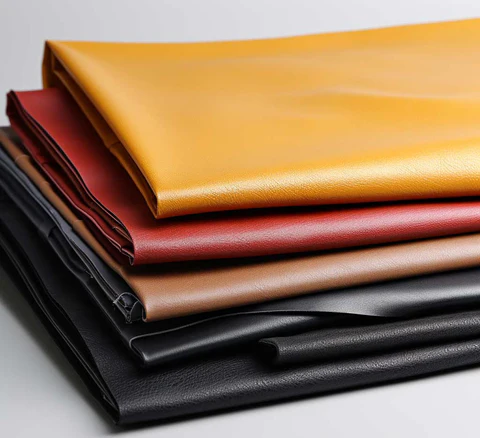
Most vegan leather used in clothing, bags, and shoes isn’t plant-based or particularly innovative. It’s usually composed of polyurethane (PU) or polyvinyl chloride (PVC), materials that are cheap to manufacture and easy to mold into convincing textures. These synthetics dominate the market largely because they work well within fashion’s accelerated trend cycle, which allows brands to produce pieces quickly and cheaply rather than invest in garments built to last. And they rarely do.
Jackets and skirts made from PU vegan leather often start cracking or peeling after just one to three years of regular wear, particularly around seams or areas under stress. Even higher-end versions generally last three to 10 years, still well below the decade or two that many real leather pieces can survive with proper care.
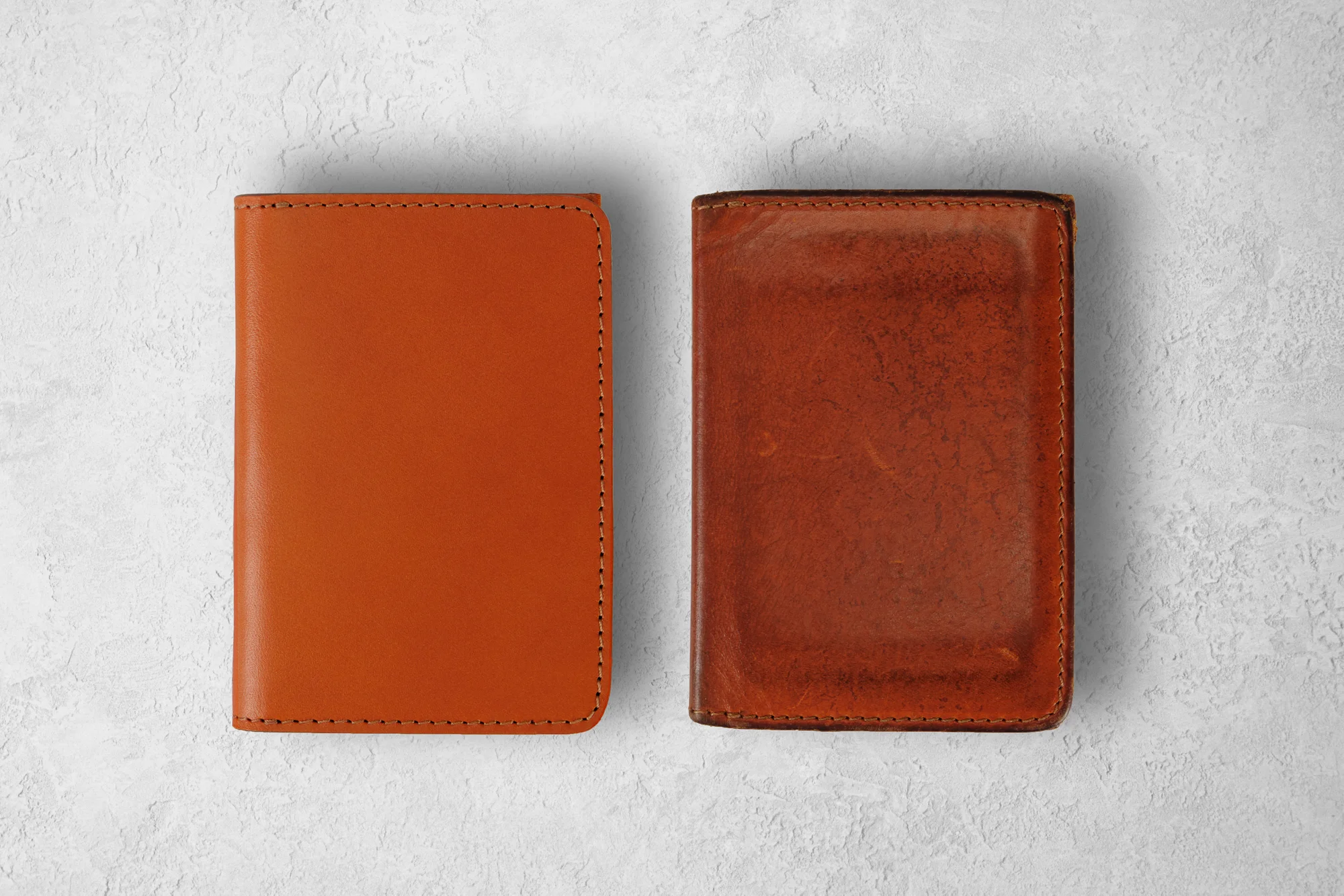
The difference isn’t just durability, but how the material ages. Real leather develops patina, which is the unique darkening and subtle creasing that forms on the material as years pass. Synthetic leather doesn’t patina; instead, it deteriorates. Once the outer coating begins to break down, repair is nearly impossible. A jacket that looked pristine two years ago can suddenly look irreparably damaged.
READ ALSO: Ludicrously Capacious Bags For Your Consideration
This Feeds Directly Into Fashion’s Most Persistent Problem: Waste.
When garments fail quickly, they’re replaced quickly. Most vegan leather products are non-biodegradable, meaning they eventually end up in landfills where the plastic slowly breaks down into microplastics. The marketing language around sustainability can make matters worse; critics argue that labeling plastic-based materials as “eco-friendly” encourages consumers to buy more disposable items. In one analysis, that messaging misleads a large portion of shoppers into treating synthetic goods as guilt-free purchases.
Even wearing vegan leather can reveal its limitations. Unlike real leather, the synthetic version doesn’t breathe particularly well. In fitted clothing, it can trap heat and moisture, leaving the wearer sweaty. Colors also tend to fade faster under sunlight or repeated washing, and once the material begins to crack, there’s little a tailor can do to restore it.
The Production Process
Because most vegan leather is petroleum-based, manufacturing it requires energy-intensive chemical processing that can release volatile organic compounds (VOCs). These emissions aren’t only environmental concerns—they can also affect factory workers in the global supply chains where the material is produced. While certifications exist to address safer production practices, they remain relatively rare in lower-cost fashion segments where synthetic leather is most common.
This doesn’t mean innovation has stalled. Researchers and designers have been experimenting with plant-based alternatives made from grapes, mushrooms, and even kombucha cultures. Some of these materials are patented and genuinely promising, though the problem lies in scale. Many remain experimental and quite inaccessible compared to popular mass-market products.
So, What’s The Most Ethical Way To Get The Leather Look?
The most practical answer is also the least trendy: avoid buying too much in the first place. If you want a leather jacket, a secondhand one made from real animal leather may ultimately be the more sustainable option. Because it already exists, purchasing it doesn’t require producing new petroleum-based material. And unlike synthetic leather, a well-made hide jacket can last decades. It’s harder to source, yes. The process involves thrift stores, vintage shops, and resale apps. You might have to hunt a bit, but the reward is something synthetic leather can’t replicate: longevity, quality, and eventually, patina.
Frequently Asked Questions
Most mass-market vegan leather is manufactured using synthetic polymers, specifically polyurethane (PU) or polyvinyl chloride (PVC). These petroleum-based plastics are widely utilized across global fashion supply chains because they are inexpensive to produce, easily manipulated into leather-like textures, and align with rapid production cycles.
Synthetic leather typically demonstrates significantly shorter longevity, often peeling or fracturing within one to three years of regular use. In contrast, high-quality real leather develops a natural patina over decades, maintaining its structural integrity and remaining repairable long after synthetic alternatives have degraded.
Critics argue that marketing plastic-based materials as “eco-friendly” misleads consumers into buying disposable items under the guise of sustainability. Because PU and PVC are non-biodegradable, these items eventually accumulate in landfills, where they resist decomposition and fragment into toxic microplastics.
Material scientists are developing genuinely sustainable, plant-based alternatives derived from mushrooms (mycelium), grapes, pineapple fibers, and kombucha cultures. While these innovations offer authentic ecological advantages, they currently remain in experimental stages and lack the industrial scale required for mass-market fashion accessibility.
From a preservation perspective, acquiring secondhand or vintage real leather garments is the most sustainable choice. Because the material already exists, it requires zero petroleum processing, diverts items from landfills, and provides long-term durability and quality that synthetic replicas cannot match.