A week-long journey through Egypt reveals the profound rhythms of human experience, where life, death, and rebirth flow together like the timeless Nile.
After a grueling 15-hour journey from Manila, connecting through Dubai, I landed in Cairo, Egypt. Just enough time to drop my bags, dab on perfume to cover the fact that I had just come straight off the plane, and head out to meet my travel companions for a welcome party on the Nile.
The river greeted us like an ancient host, its waters holding stories older than any civilization. In Egyptian mythology, the Nile symbolizes life, death, and rebirth. Our boat cut through the dark water, music playing, cocktails in hand. By midnight, exhaustion caught up with me. I collapsed into bed, thinking of what lay in store. I didn’t know what to expect. Egypt felt almost too legendary to hold in a single week. But the trip became one of the most magical experiences of my life—a journey guided by the Nile, that timeless witness to human existence.
READ ALSO: Return To Being: A Wellness Retreat In Provence, France
Day 2: Pyramids, Sphinx, And King Tut
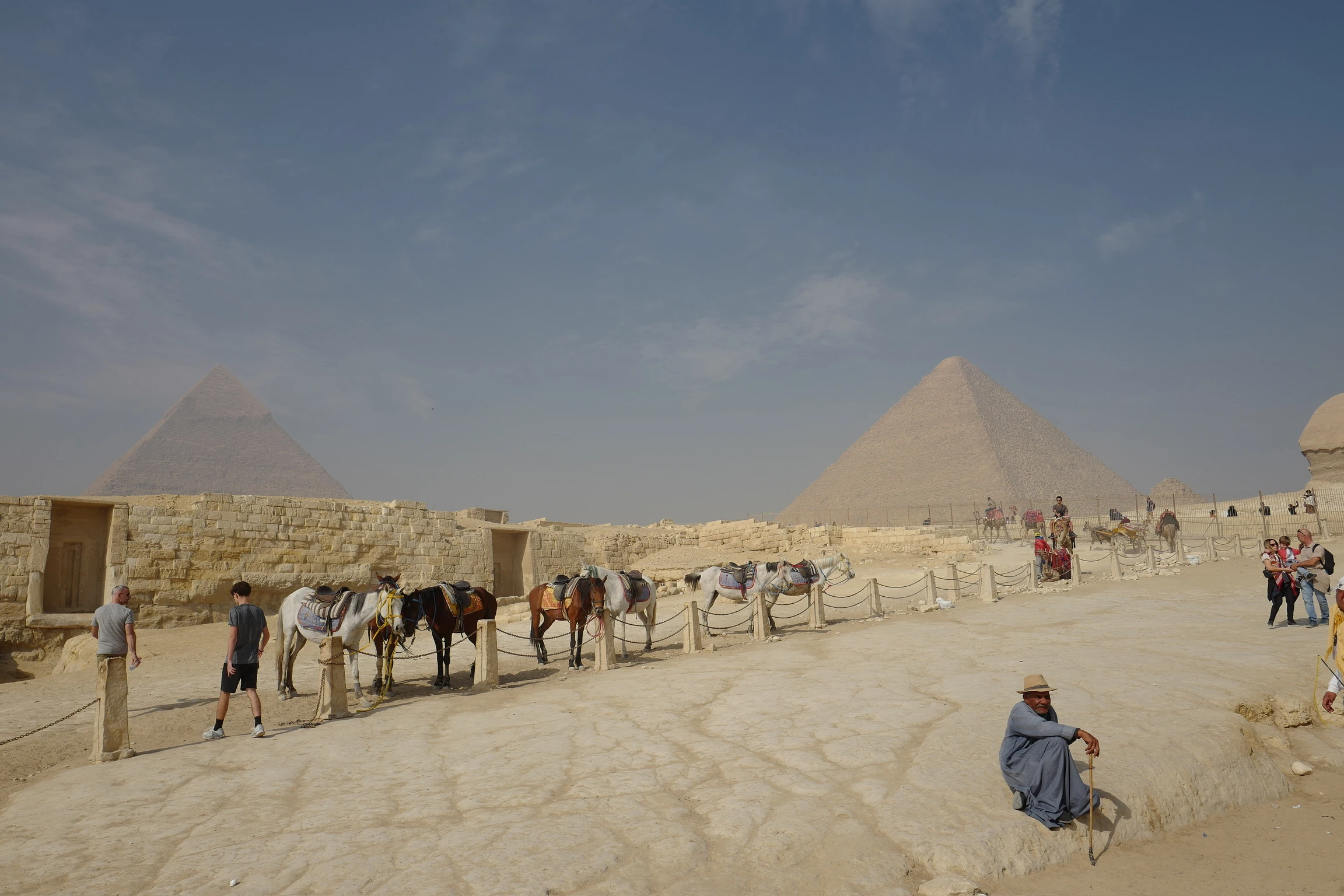
The next day, we left early for the Pyramids of Giza, and my first challenge was a camel ride that initially terrified me. I was convinced I’d be launched into the Sahara. But once the camel stood up (a sudden lurch that feels like your stomach gets briefly relocated), the ride became surprisingly smooth. I could finally focus on the view: the desert stretching outward into open silence, a landscape so vast it rendered me speechless.
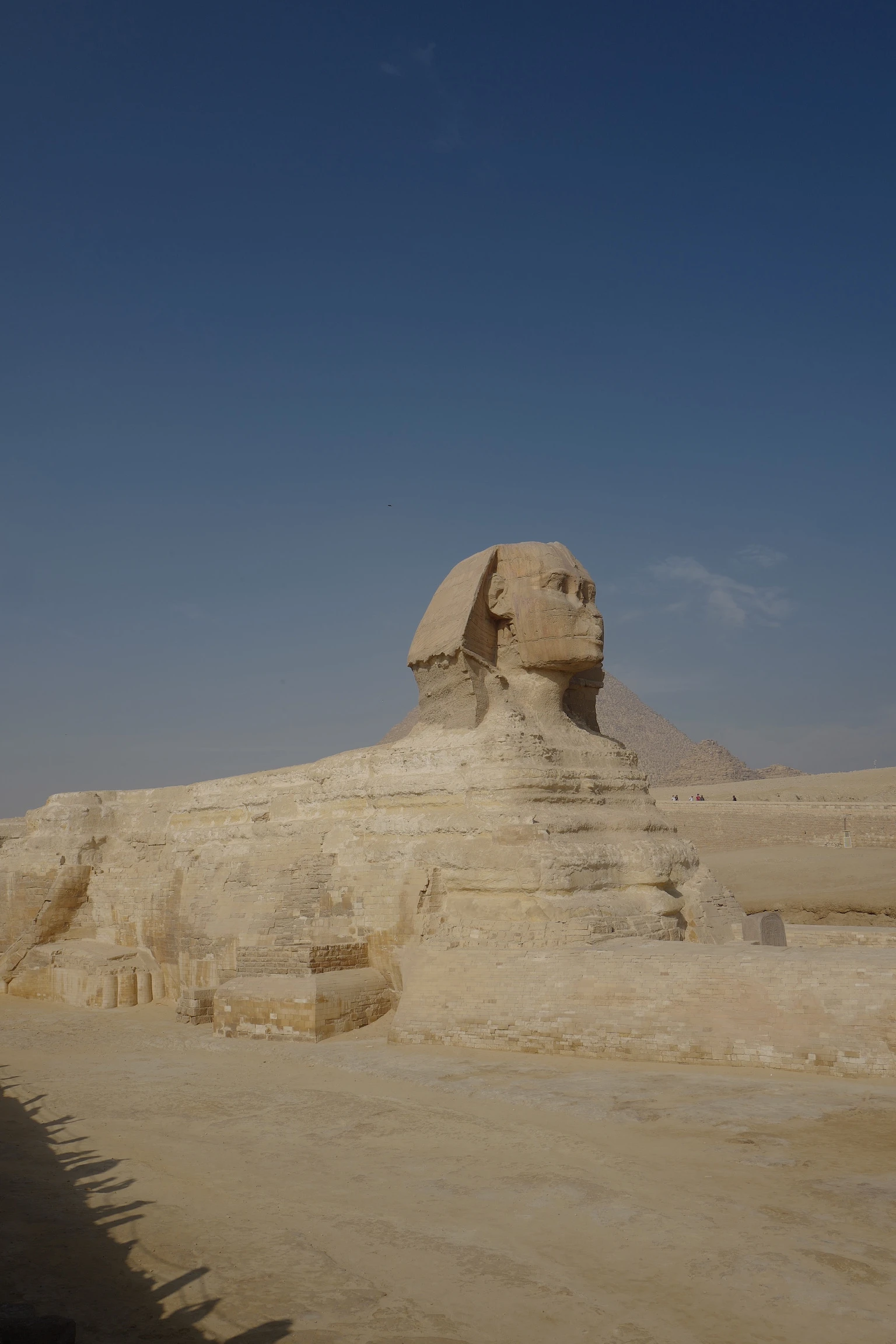
We moved toward the Sphinx as well as the Great Pyramids, all of which were larger than I expected. Even from a distance, it possessed that strange quality of truly ancient things: not simply “old,” but existing outside of time. It was a powerful reminder of humanity’s enduring ability to create grandeur. The weight was overwhelming— not just physical, but emotional. You could almost feel the labor behind it: the planning, the dragging, the hardship.
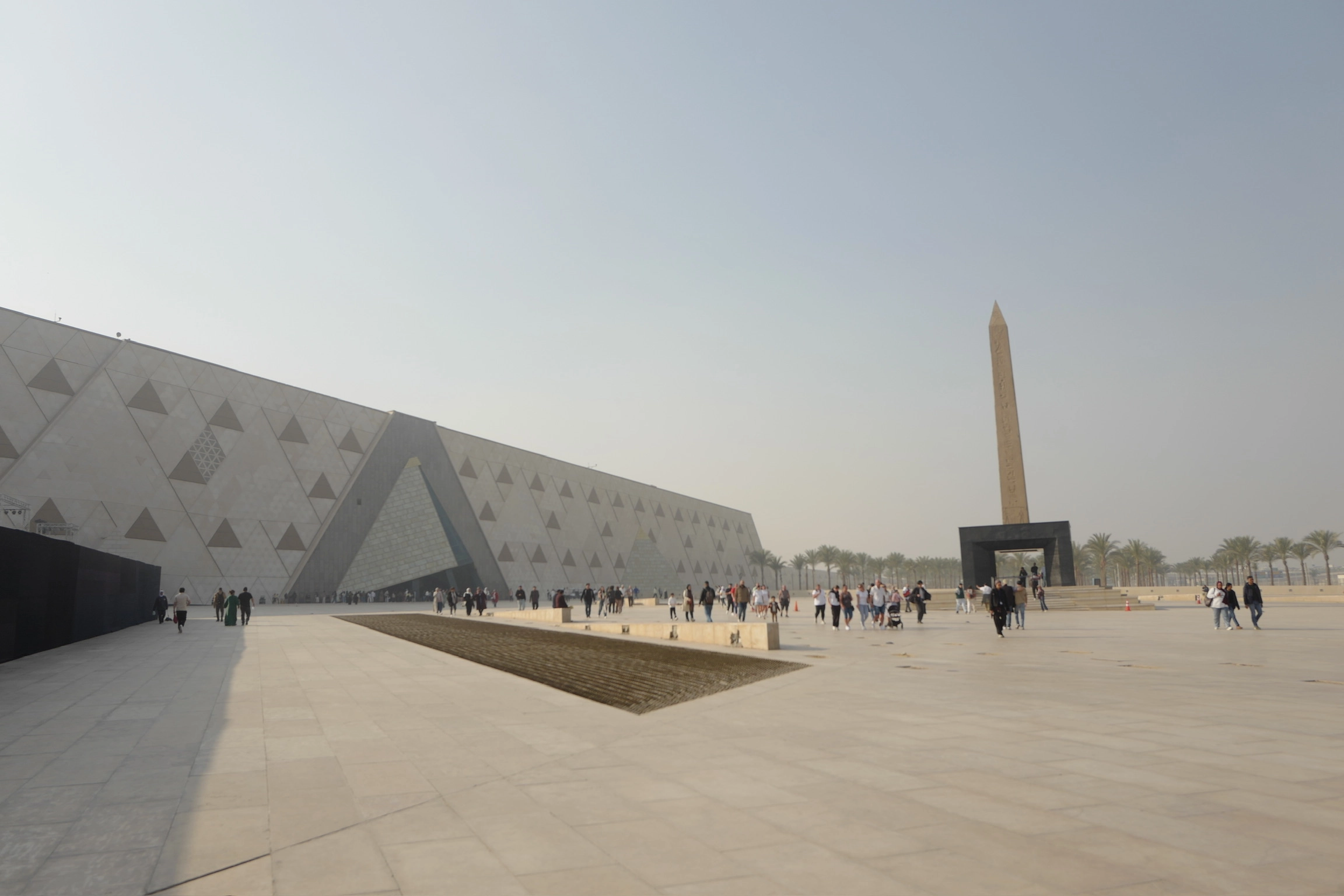
The new Grand Egyptian Museum offers a modern counterpoint to the ancient landscape. Its architecture subtly echoes pyramidal forms through triangles and negative space. Inside, artifacts aren’t crowded. They have room to breathe and are arranged chronologically to tell Egypt’s story with remarkable clarity.
A highlight was coming face-to-face with King Tutankhamen’s mask. It was impossibly gold, seeming to glow from within. The piece was so bright it blurred the line between artifact and living history. That night, my mind buzzed with the day’s experiences; it was as if reality and dreams were blurring in this ancient land. I wondered how anything could possibly compare.
Day 3: Through Egypt’s Living History
Where the Grand Egyptian Museum felt like a modern architectural tribute to the past, spacious and chronologically curated, the National Museum of Egyptian Civilization offered a more intimate encounter with lived history. We saw real mummies, a direct connection to centuries past. It was eerie and reverent and unforgettable.
The mosques we visited told stories of different eras. Ibn Tulun (879 AD), Sultan Hassan and Madrasa (1363 AD), and Al- Rifa’i (finished in 1912) were living historical documents. Al-Rifa’i particularly captivated me because of its layered history, including the tomb of Mohammad Reza Pahlavi, the last Shah of Iran, who died in exile.
We found ourselves back in the present at the Walled Historic Cairo, a sensory explosion of market life. Perfume bottles, throw pillow covers, leather bags, and even intricate tiles were sold as souvenirs, small objects carrying the weight of our experiences.
Day 4: Along The Nile In Aswan
An early morning flight whisked us to Aswan, landing beneath the shadow of the Nasser Dam. A massive industrial marvel, its scale felt almost intimidating, a testament to human engineering against the ancient landscape. But still, man has not been able to compete completely with nature.
A sandstorm descended just as we boarded our Nile cruise, the Steigenberger. But honestly, I needed the unexpected pause. I surrendered to a three-hour nap without guilt, waking refreshed as the storm softened.
That evening, dinner at King Jamaica offered views of the Nile and delicious tagine, a traditional slow-cooked stew. The real enchantment, however, came later at the Sofitel Legend Old Cataract Aswan, the very place where mystery novelist Agatha Christie wrote Death On The Nile. Wrapped in heaters on a balcony overlooking the river, we drank local wine, beer, and hot chocolate, mixed with conversation that lasted well into the night.
The Nile moved slowly beneath us. It wasn’t in a rush to get anywhere. The river had already seen everything, the entire cycle of life, birth to death, and so on.
Day 5: Temples Along The Great River
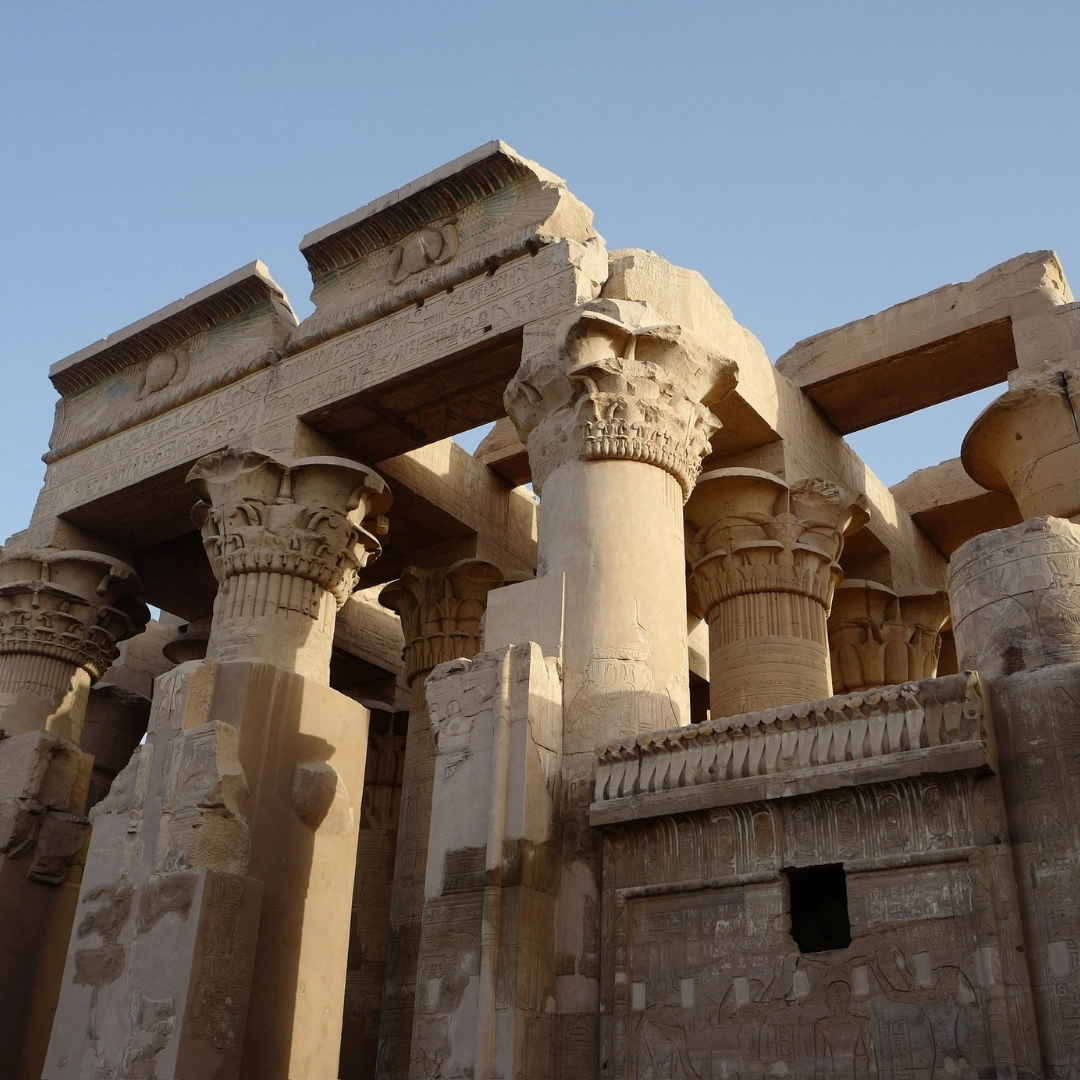
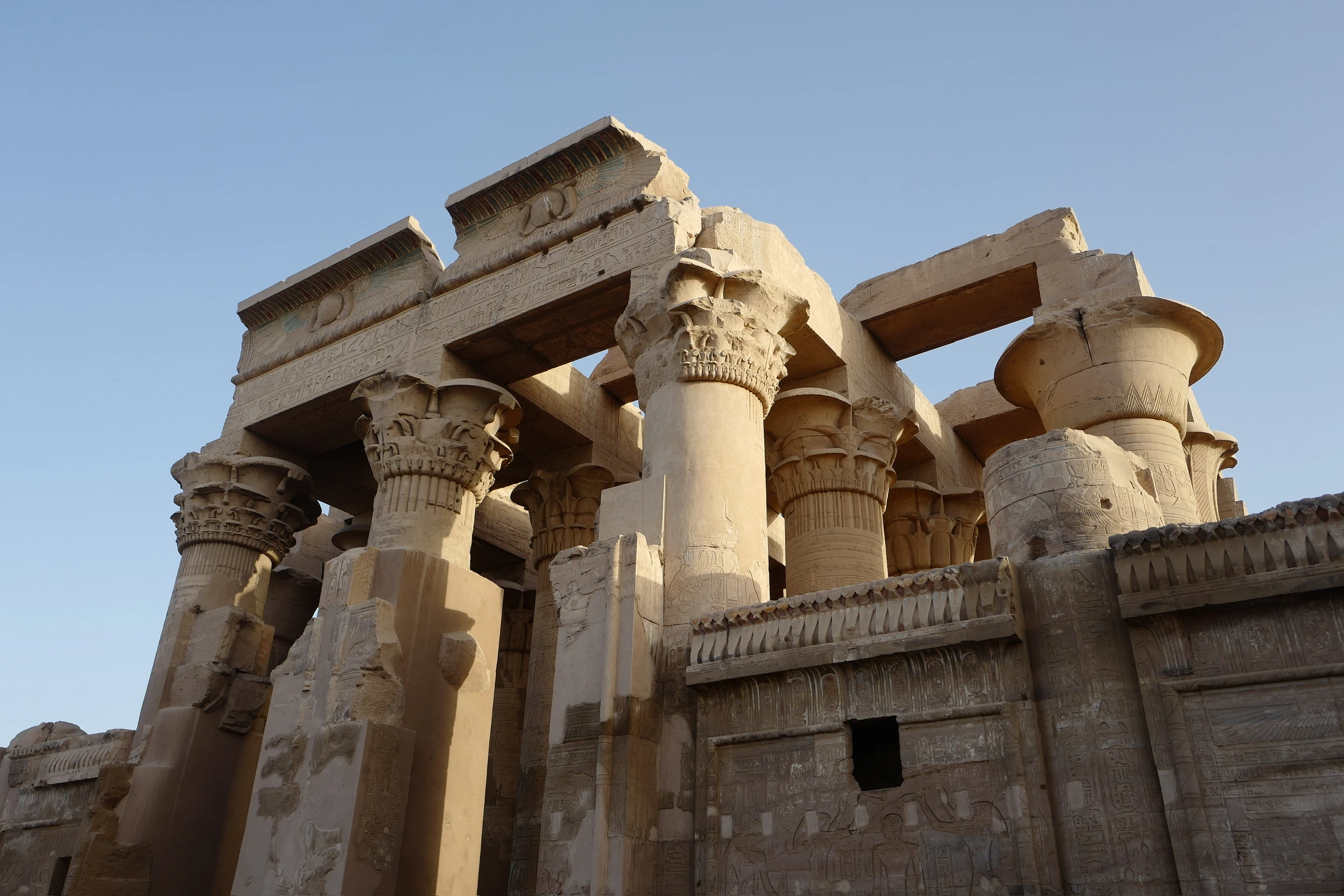
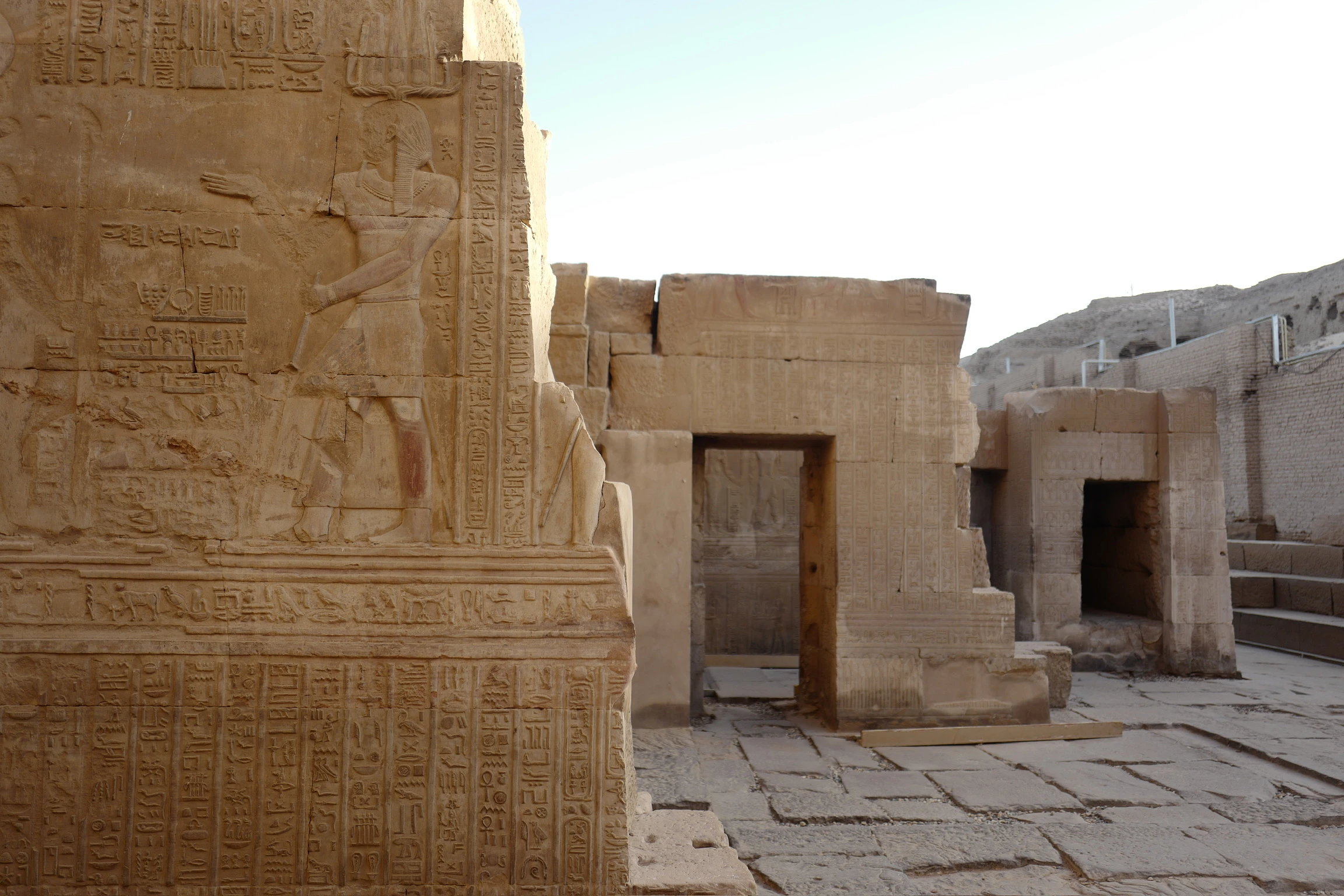
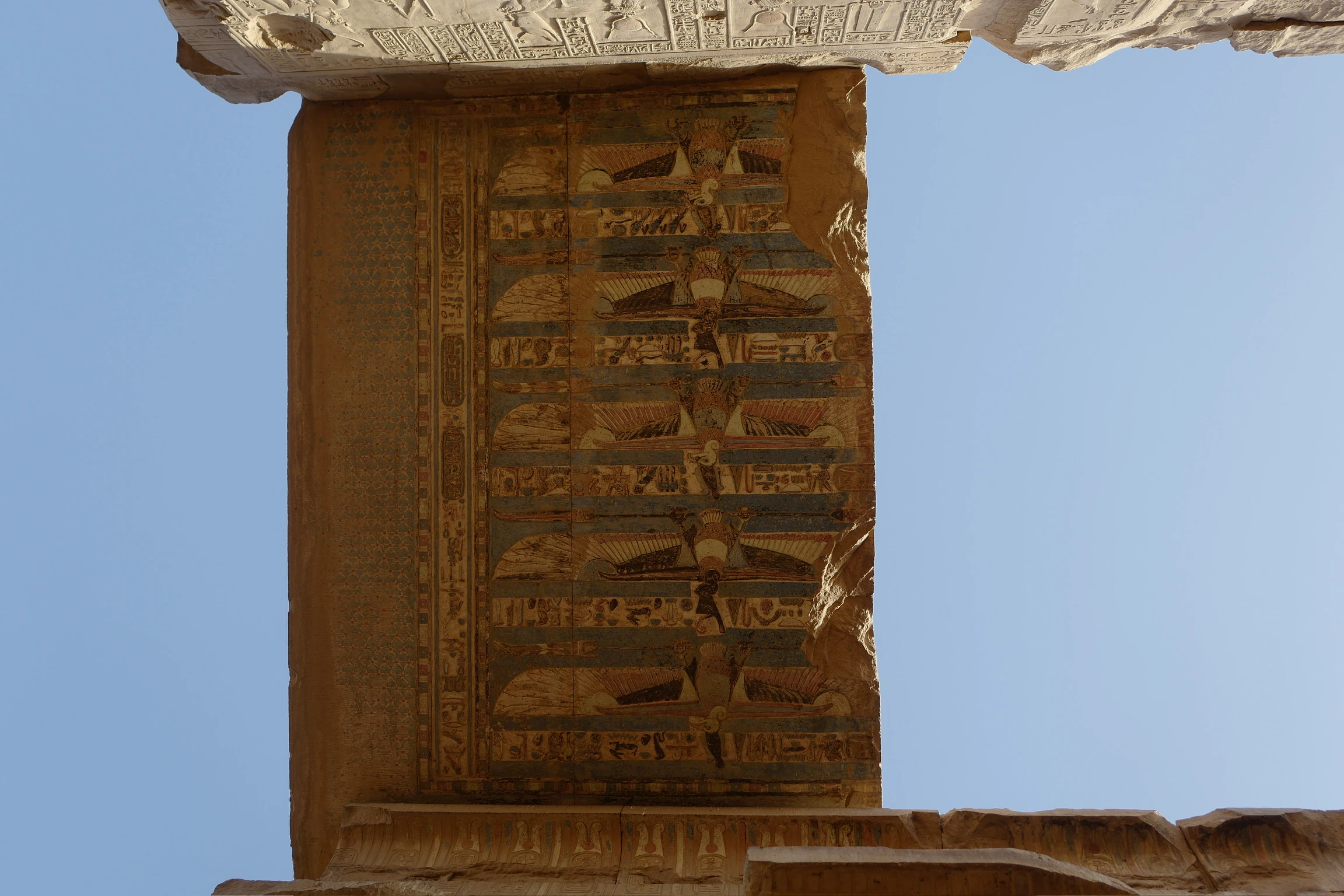
We started early again for Kom Ombo, one of the only temples in Egypt designed to worship two gods simultaneously: Sobek, the crocodile god, and Horus theElder. Our guide brought it to life with stories, sharing how the site once housed a hospital and how intricately carved reliefs revealed ancient medical practices like catheter use.
What struck me most was the freedom. Unlike many historical sites where ruins are cordoned off, here we could stand inches from hieroglyphics, trace the lines with our eyes, and sit on sun-warmed stones. For a moment, I could imagine the ritual life that once filled these spaces.
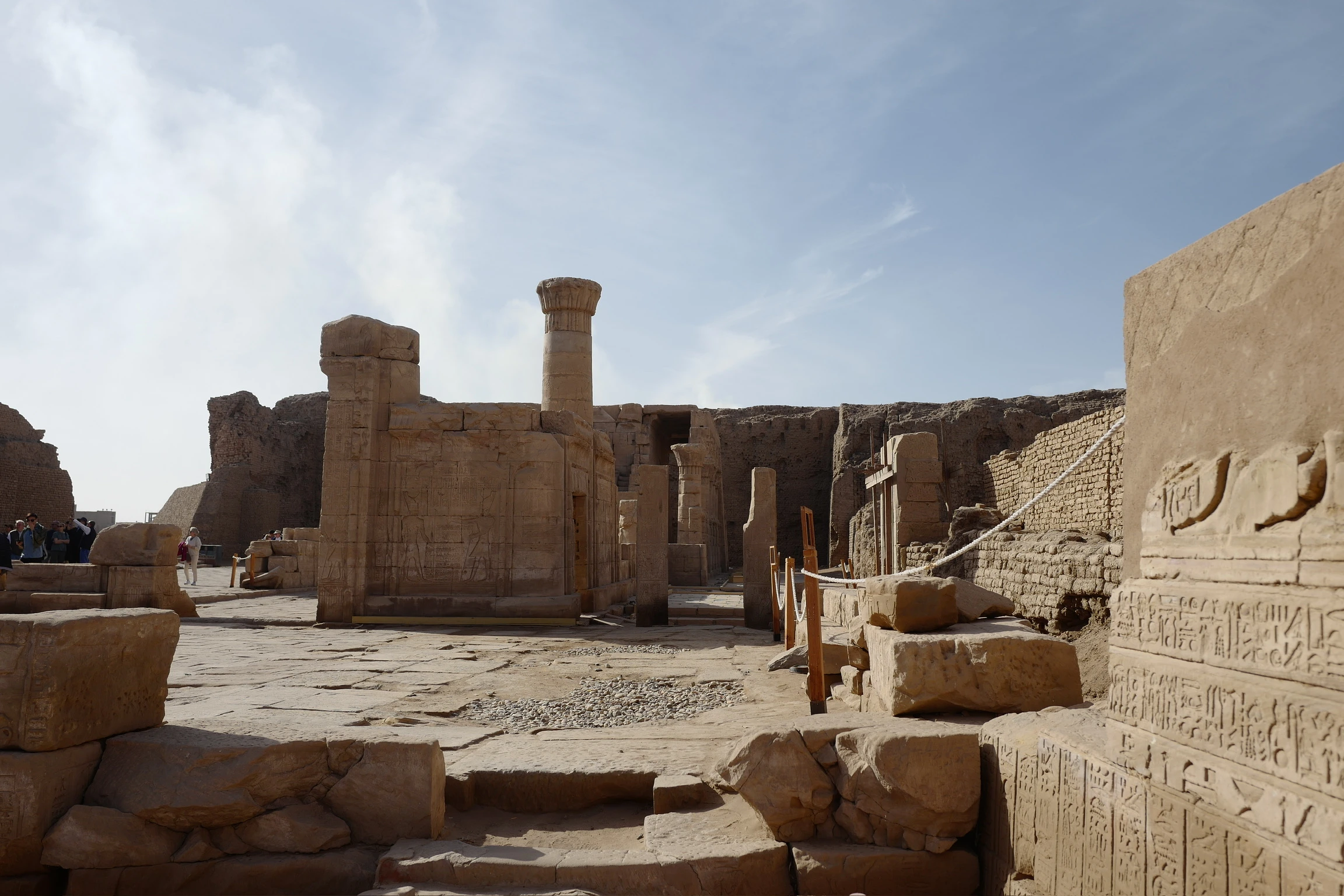
Edfu Temple offered an even more immersive experience. It’s one of the best-preserved large temple complexes in Egypt, and it gave me a clearer sense of how a full sacred site was designed: monumental entrance, expansive halls, hidden corridors, and intimate spaces. We wandered staircases and side passages, experiencing the temple less like a monument and more like a living architectural organism.
As evening fell, we watched the sunset from the ship’s sundeck. The Nile moved with that same ancient, unhurried rhythm we were starting to get used to, its liquid timeline carrying centuries of stories that came before us, and will endure long after us.
Day 6: Sunrise Over Egypt
This was the earliest start time of the journey. 4:30 AM. Far beyond my comfort zone as a dedicated night owl who does not wake up before the sun voluntarily. Bundled in layers (a dress, sweater, cardigan, and two scarves), I shivered in the dark, freezing field, my thoughts oscillating between “Why did I sign up for this?” and “I can’t feel my fingers.”
Then something magical happened. Balloon “carcasses” began to rise from the ground, bursts of flame lighting the field orange. Darkness dissolved into early light, the cold replaced with sudden warmth. We boarded and lifted off and became one with the sky, high above the Nile that had been with us throughout our journey, with temples and ruins spread across the landscape like punctuation marks left by another era.
The sunrise moved me unexpectedly. I nearly cried, my heart caught between witnessing natural beauty and human history. Our descent led us to the Valley of the Kings, where our guide explained how ancient royalty invested intensely in tombs because, while life was temporary, death and the afterlife were for eternity. While living houses were made of temporary mudbrick, the tombs were carved and painted with extraordinary care.
We entered three tombs, including King Tut’s (and saw his mummy), descending long staircases into tunnels lined with painted walls. The colors looked freshly applied, as if the artists had just stepped away. While the balloon ride had made me emotional about the natural landscape, these tombs made me emotional about human artistry. Standing underground, surrounded by paintings created for someone preparing for forever, felt profoundly humbling.
Luxor Temple became our epic final chapter. The complex embodied Egypt’s continuous history. Colossal statues, grand courtyards, and the Avenue of Sphinxes stretched out like a ceremonial road. What I loved most was how Luxor wasn’t frozen in time. It’s layered. The site holds history the way a city holds memory: one civilization builds, another adapts, and another adds.
Day 7: Between Earth And Eternity
As we departed for the airport, I found myself still reeling, my mind a kaleidoscope of experiences. So few places give you the chance to experience ancient civilization not as an abstract concept, but as a living, touchable reality. This was history measured in thousands of years, but also beauty in the present tense: the Nile at sunset, desert silence, minarets against the sky, temples turning gold in the sun.
The Egyptians might have felt that life was temporary, and only death eternal. But standing at the river’s edge, watching its endless flow, I understood something deeper. Like the Nile itself—which floods, recedes, and brings new life—our experiences are part of a greater cycle. In this one temporary life, a second in comparison to millennia, I found myself full of awe, gratitude, and wonder, in a way that makes me feel simultaneously small and incredibly lucky.
This article was originally published in our September 2026 print issue.
Photography by Danielle Limcaoco
Frequently Asked Questions
A week-long journey through Egypt can include the Pyramids of Giza, the Sphinx, the Grand Egyptian Museum, the National Museum of Egyptian Civilization, historic mosques, Aswan, Nile cruises, Kom Ombo, Edfu Temple, the Valley of the Kings, and Luxor Temple.
The Pyramids of Giza and the Sphinx offer a glimpse into the grandeur of ancient Egypt, while the Grand Egyptian Museum presents artifacts chronologically, including the famous golden mask of King Tutankhamun.
Among the historical sites featured in this journey are the Pyramids of Giza, Sphinx, National Museum of Egyptian Civilization, Ibn Tulun, Sultan Hassan and Madrasa, Al-Rifa’i, Kom Ombo, Edfu Temple, the Valley of the Kings, and Luxor Temple.
A Nile cruise offers the chance to experience Egypt along its ancient river, with stops at destinations including Aswan, Kom Ombo, and Edfu. The journey also includes views of the Nile at sunset and evenings spent overlooking the river.
Egypt offers the rare opportunity to experience ancient civilization as a living, tangible reality, alongside the beauty of the present: the Nile at sunset, desert landscapes, temples, minarets, and the treasures of its museums. The journey becomes a reflection on life, death, rebirth, and the passage of time.