Metro Manila’s neighborhoods each have their own distinct style culture. Here’s our playful guide to the city’s most recognizable fashion personalities; see yourself in any of them?
For years, there has been an ongoing conversation about the cultural divide between the northern and southern parts of Metro Manila. Terms like “northie” and “southie” have become shorthand labels that people use to identify themselves—or each other. But how much do these distinctions actually matter? Are there really noticeable differences between the two?
After living in Metro Manila for more than seven years, and as someone who grew up in the province, I’ve come to realize that there are subtle yet distinct cultural differences between the city’s various corners. One of the most visible ways these differences manifest is through personal style. Of course, no single way of dressing can fully represent an entire district, city, or community. Still, spend enough time in different parts of Metro Manila, and you’ll begin to notice certain patterns, preferences, and aesthetics that seem to emerge. Fashion, after all, is often shaped by the environments we move through, the spaces we frequent, and the cultures we participate in.
With that in mind, consider this a playful (and highly stereotypical) field guide to Metro Manila style, fueled mainly by casual observations of how people dress depending on where you’re most likely to spot them.
READ ALSO: Food To Fabric: Tracing The Past And Future Of Piña Textile
The Makati Weekender
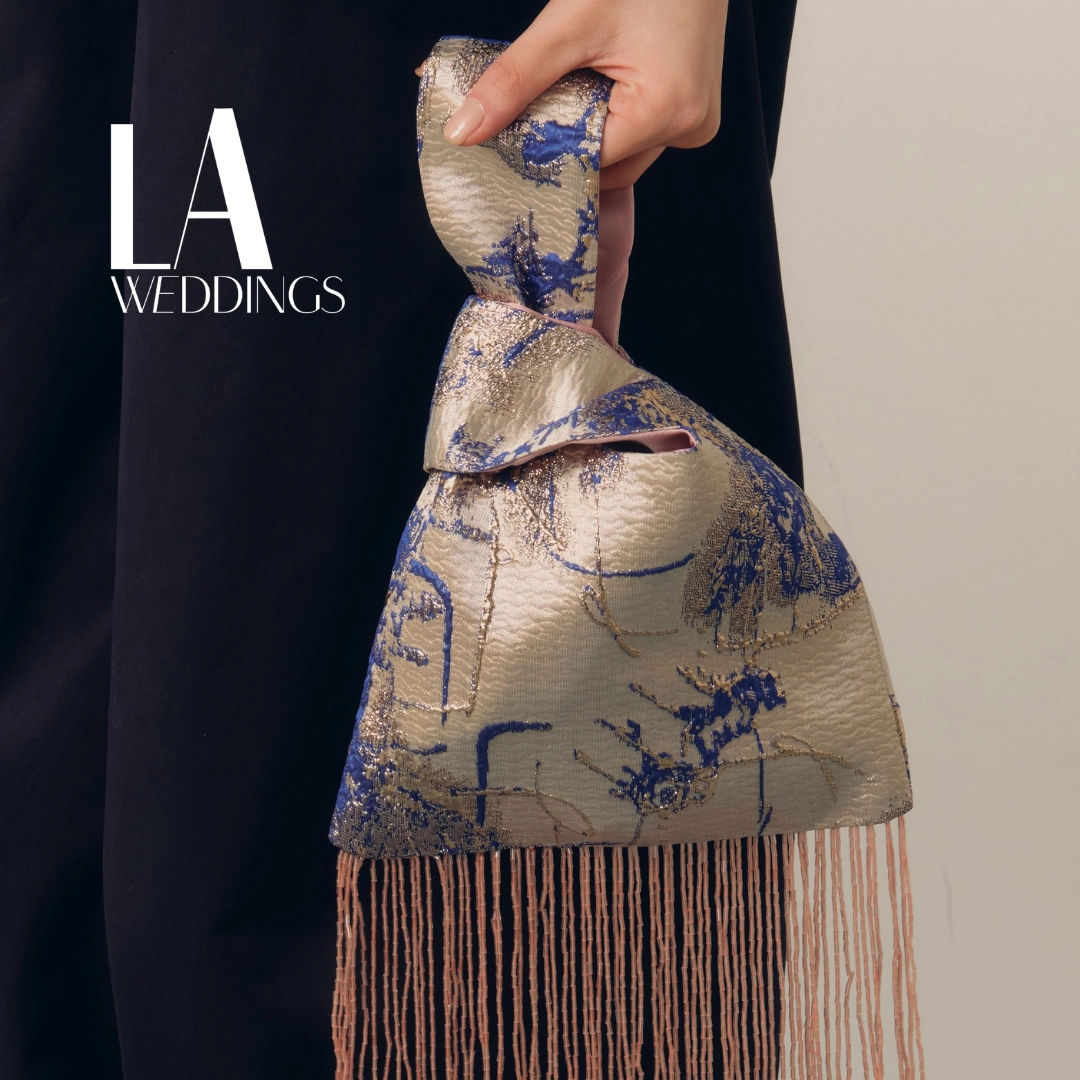
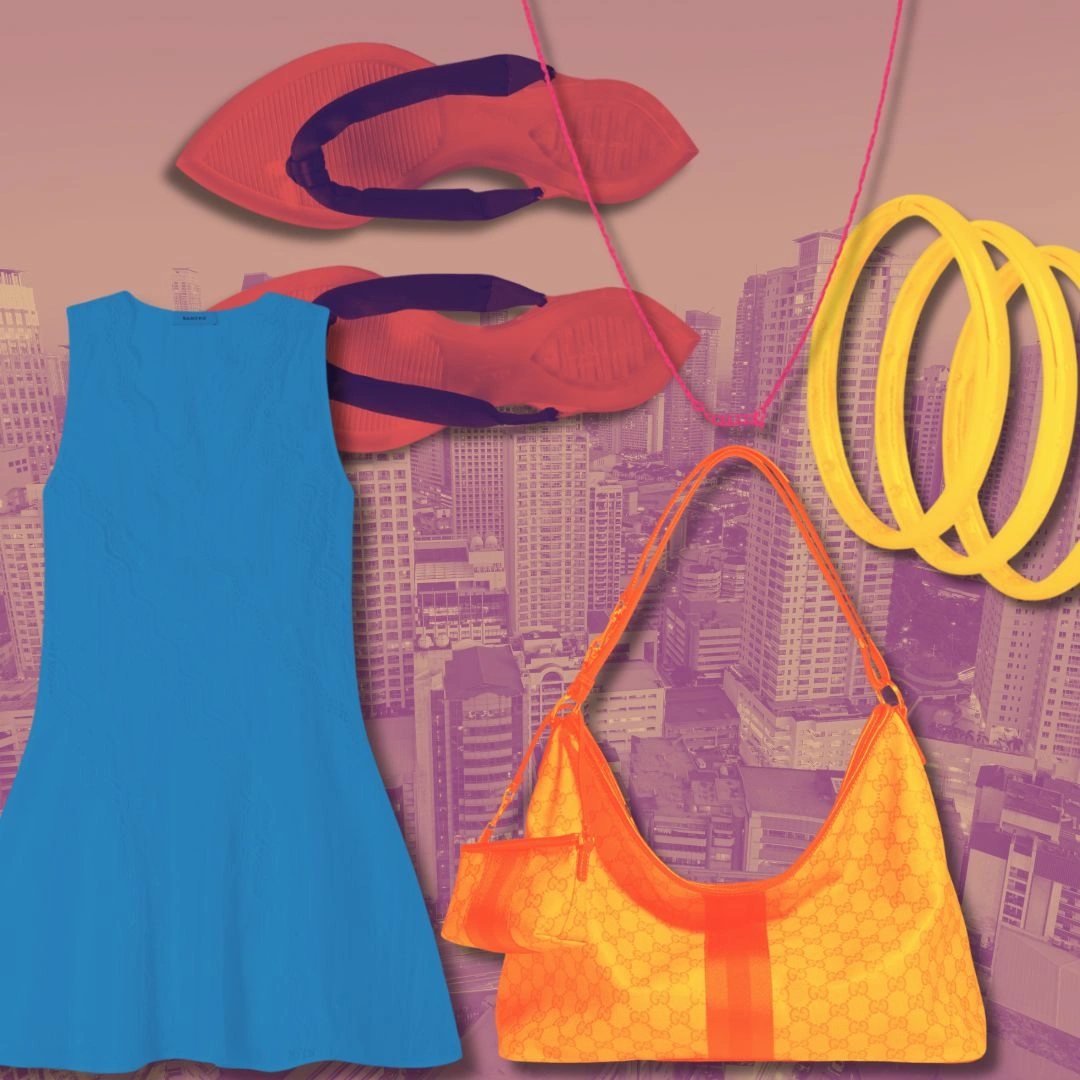
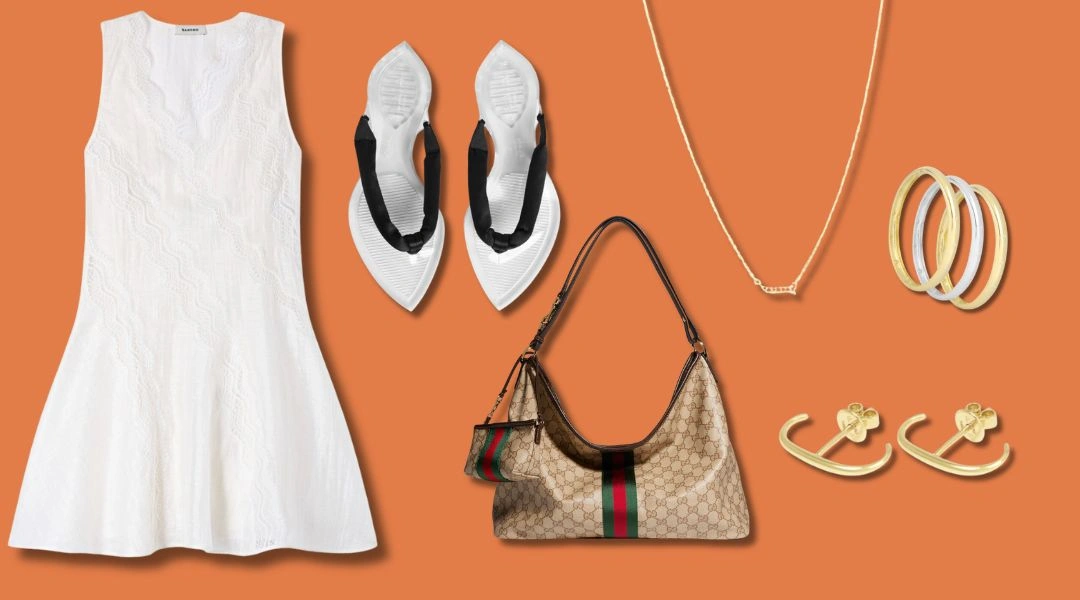
For some reason, you see the Makati Weekender even during the weekdays. They show up in their best “just heading to the market” look: oversized tote bags, a flowy dress, dainty gold jewelry, and designer sandals. In theory, the Makati Weekender is a state that’s as ephemeral as the weekend itself, one spent lounging in coffee shops, hunting for quality matcha, and discussing the merits of a good brunch spot. Yet wander through the streets of Salcedo, Legazpi, or Rockwell on a random Tuesday afternoon, and you’ll spot one gliding through life as if every day were a Saturday.
The BGC Corpo Beast
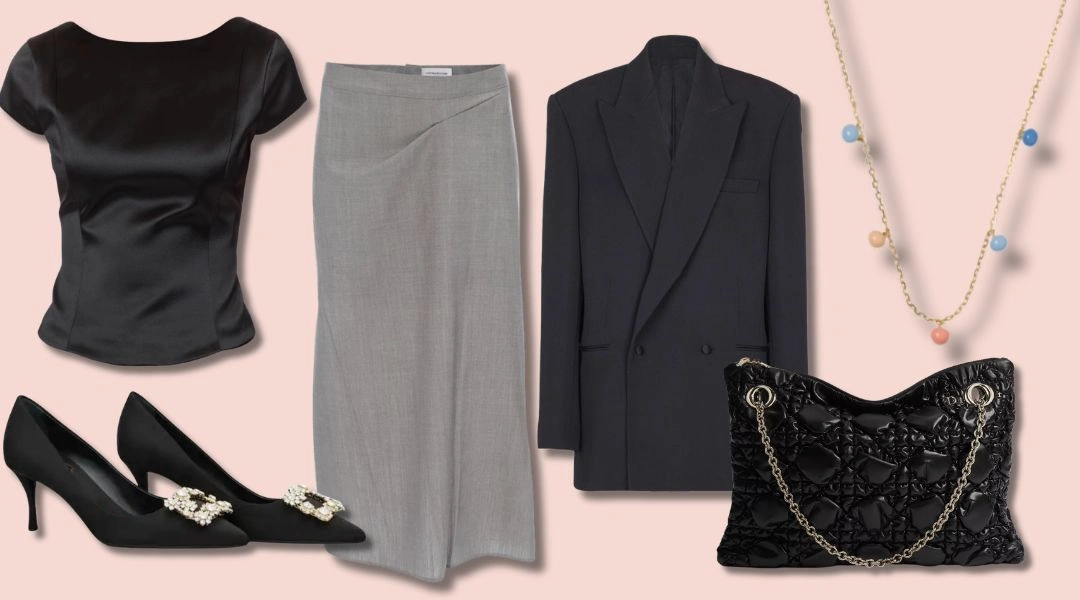
I’ve been living in BGC for three years now, and if there’s one thing I’ve learned, it’s that this city runs on ambition. Enter the BGC Corpo Beast. Armed with a pencil skirt, a flowy blouse, sensible yet expensive heels, and a work bag large enough to fit both a laptop and their dreams, they’re here for business. They’re scheduling meetings, squeezing in a power lunch, and making their way to a dinner reservation by 5 PM. They stride across pedestrian lanes with purpose, order their coffee black, and carry themselves with a distinct brand of confidence that says “I’m the boss.”
The Esoteric Cubao Diva
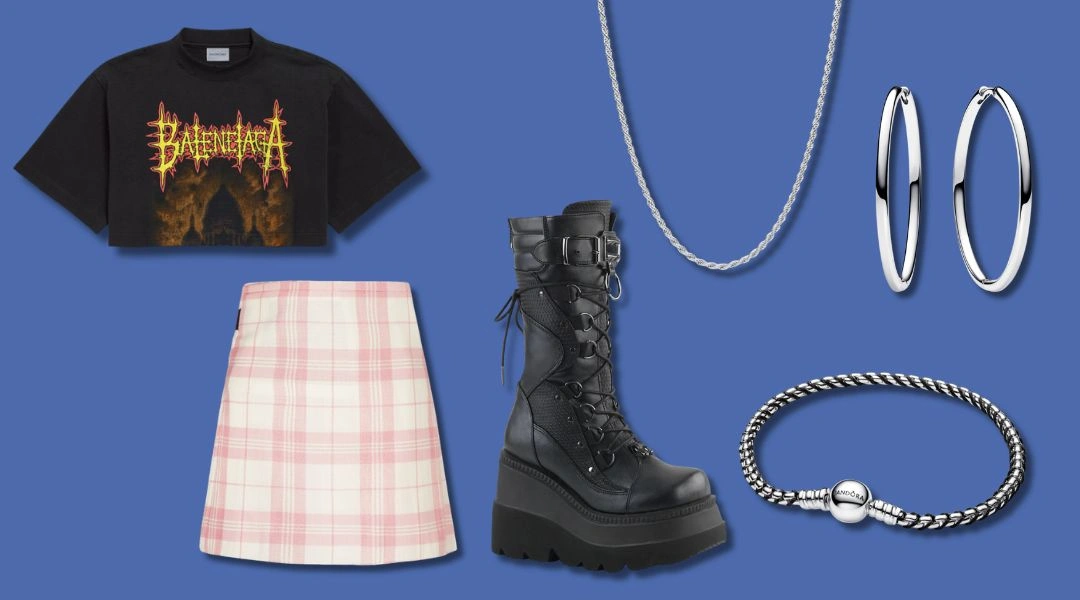
There’s a good chance the Esoteric Cubao Diva is currently planning her next hair color. She’s whimsical, fresh out of college, and convinced that Marx and Engels wrote the ultimate guide to modern living. Her uniform consists of a grungy skirt, distressed top, chunky boots, and enough silver jewelry to set off airport security. She spends her afternoons hopping between indie gigs, art spaces, and hole-in-the-wall cafés. She’s there to have fun, eat donuts, discuss the terrors of late-stage capitalism, and smoke a pack of Marlboro Reds while talking about a band you’ve probably never heard of.
The Laidback Alabang Bon Vivant
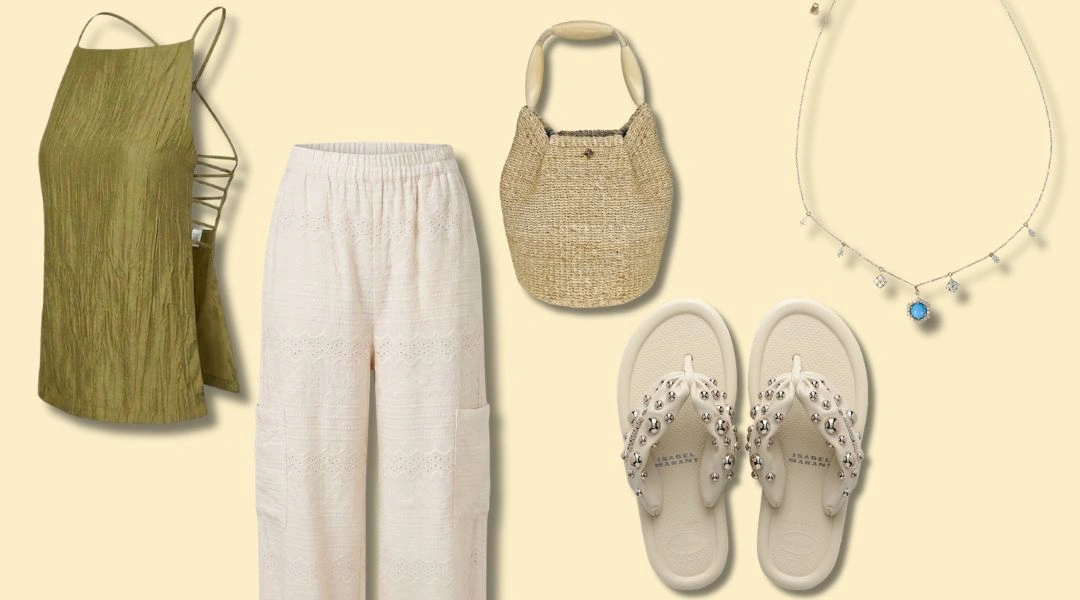
Perhaps the complete opposite of the Esoteric Cubao Diva, the Laidback Alabang Bon Vivant thrives deep in the south. Life moves more slowly here, and honestly, that’s exactly how they like it. They’re masters of effortless dressing: loose linen pants, an airy top, worn-in flip-flops, and an Aranáz bag that may or may not have been borrowed from their mother’s closet. They just finished lunch at Sushi Ninja, have a derma appointment somewhere in Westgate, and are in absolutely no rush to get there. Unlike the rest of Metro Manila, they seem to have figured out that not everything needs to be urgent.
The QC Culture Kid
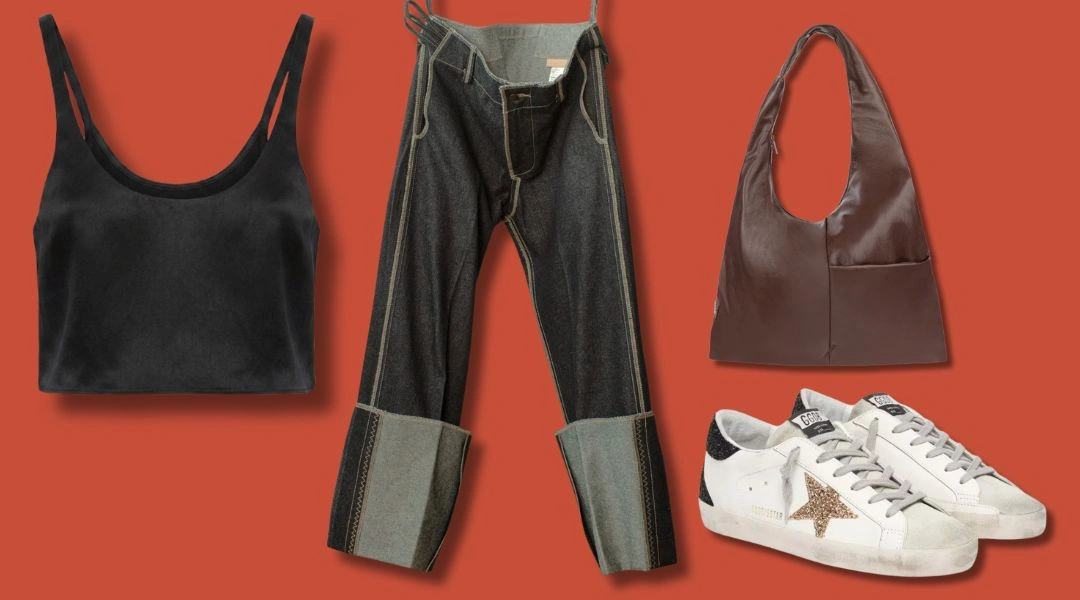
The QC Culture Kid is a sucker for drip coffee, abstract paintings, and spoken-word poetry. You’ll find them in a tank top, jeans, worn-out sneakers, and a tote bag carrying what appears to be their entire life. They think Maginhawa has become too commercialized, refuse to acknowledge Pop Up Katipunan as a cultural institution, and haven’t stepped foot in Tomas Morato in months. They may not know where the hottest new restaurant is, but they will absolutely take you to a family-run café, a secondhand bookstore, or a hole-in-the-wall eatery that’s somehow better than any spot trending on TikTok.
The New Manila Sophisticate
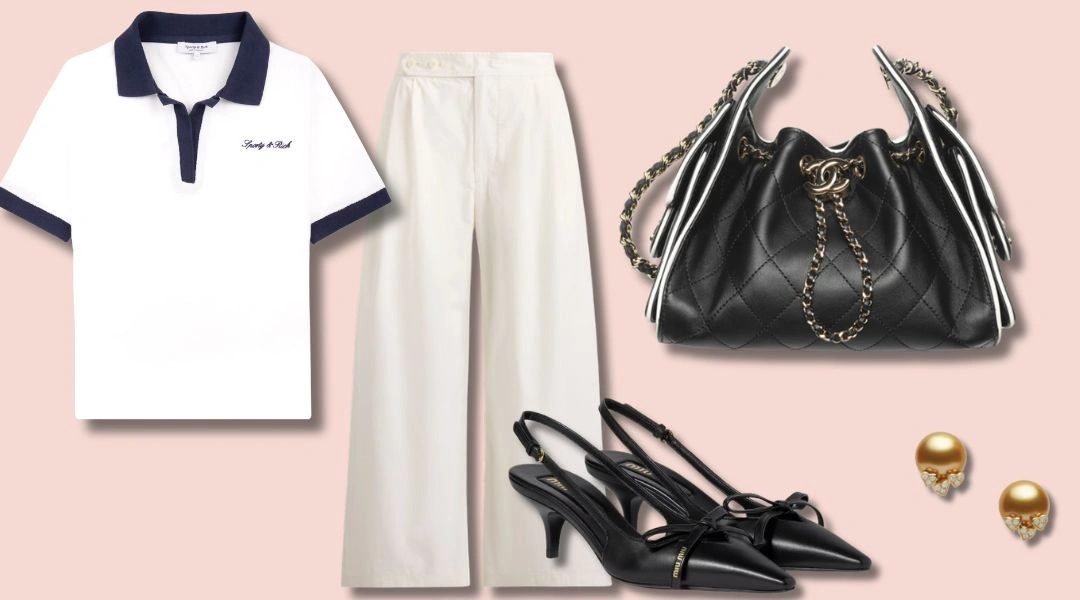
The New Manila Sophisticate is essentially a Tita of Manila in training. At a surprisingly young age, she’s either sitting on a board of directors, supporting an arts foundation, or attending an event that requires a printed invitation. She’s always polished, always composed, and somehow always dressed appropriately. Her uniform? Collared shirts, crisp white trousers, flowing maxi skirts, and kitten heels. Her bag has no charms, no loud logos, and no unnecessary embellishments: just impeccable leather and craftsmanship. She carries herself with the grace and finesse of someone who looks destined to inherit both property and excellent taste. Most likely, she’s being driven around Greenhills or Wack Wack by her chinito boyfriend while discussing where to spend the weekend.
Frequently Asked Questions
While no style can represent an entire city or district, different areas of Metro Manila have developed distinct fashion cultures influenced by lifestyle, demographics, social spaces, and local communities.
“Northie” and “southie” are informal labels used to describe people from the northern and southern parts of Metro Manila. The terms often come with stereotypes about lifestyle, interests, and even fashion preferences.
Fashion is shaped by environment, social circles, daily routines, and cultural influences. Business districts like BGC often encourage polished workwear, while creative hubs such as Cubao and Quezon City tend to embrace more eclectic and experimental styles.
The BGC Corpo Beast is defined by polished, ambition-driven dressing: pencil skirts, flowy blouses, expensive but sensible heels, and a structured work bag. The aesthetic reflects Bonifacio Global City’s corporate culture — composed, purposeful, and dressed for a schedule that runs from power lunch to dinner reservation.
Quezon City’s fashion culture tends toward the casual and eclectic — tank tops, worn-out sneakers, and tote bags among the QC Culture Kid set; the Esoteric Cubao Diva adds chunky boots and silver jewelry. Makati, by contrast, favors more polished off-duty dressing: flowy dresses, gold jewelry, and designer sandals.