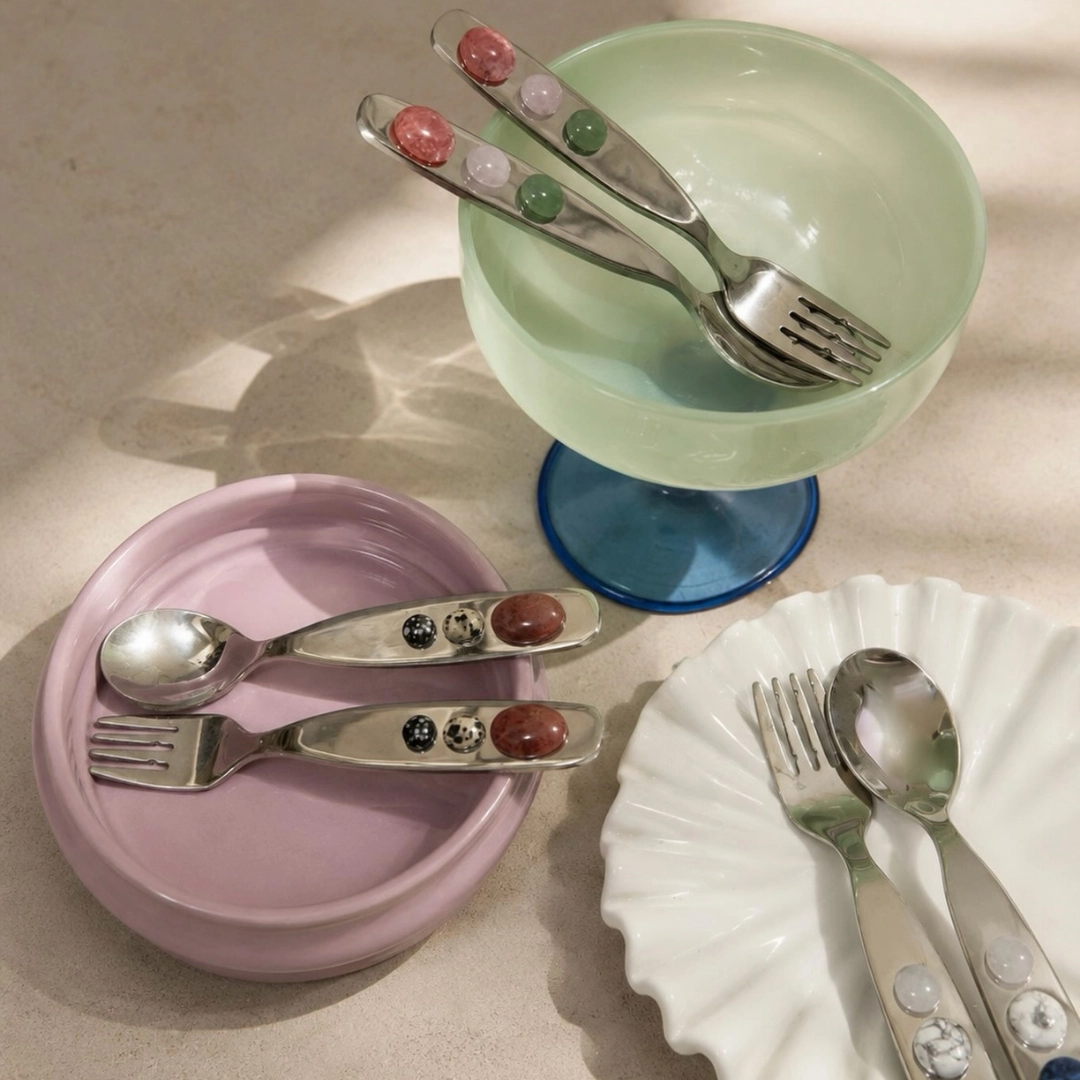
These dinnerware brands bring traditional craftsmanship, cultural memory, and distinctive design to the everyday table.
The most compelling objects earn their place through daily rituals, and slowly they become part of how a person understands their own space. These independent dinnerware brands have built entire identities around this idea, treating craft heritage as something to be lived with and used up. Here are six brands worth knowing, each one proof that thoughtful design and cultural memory can share the same table.
READ ALSO: Sorry, Mom, But We’re Turning Off The Overhead Light
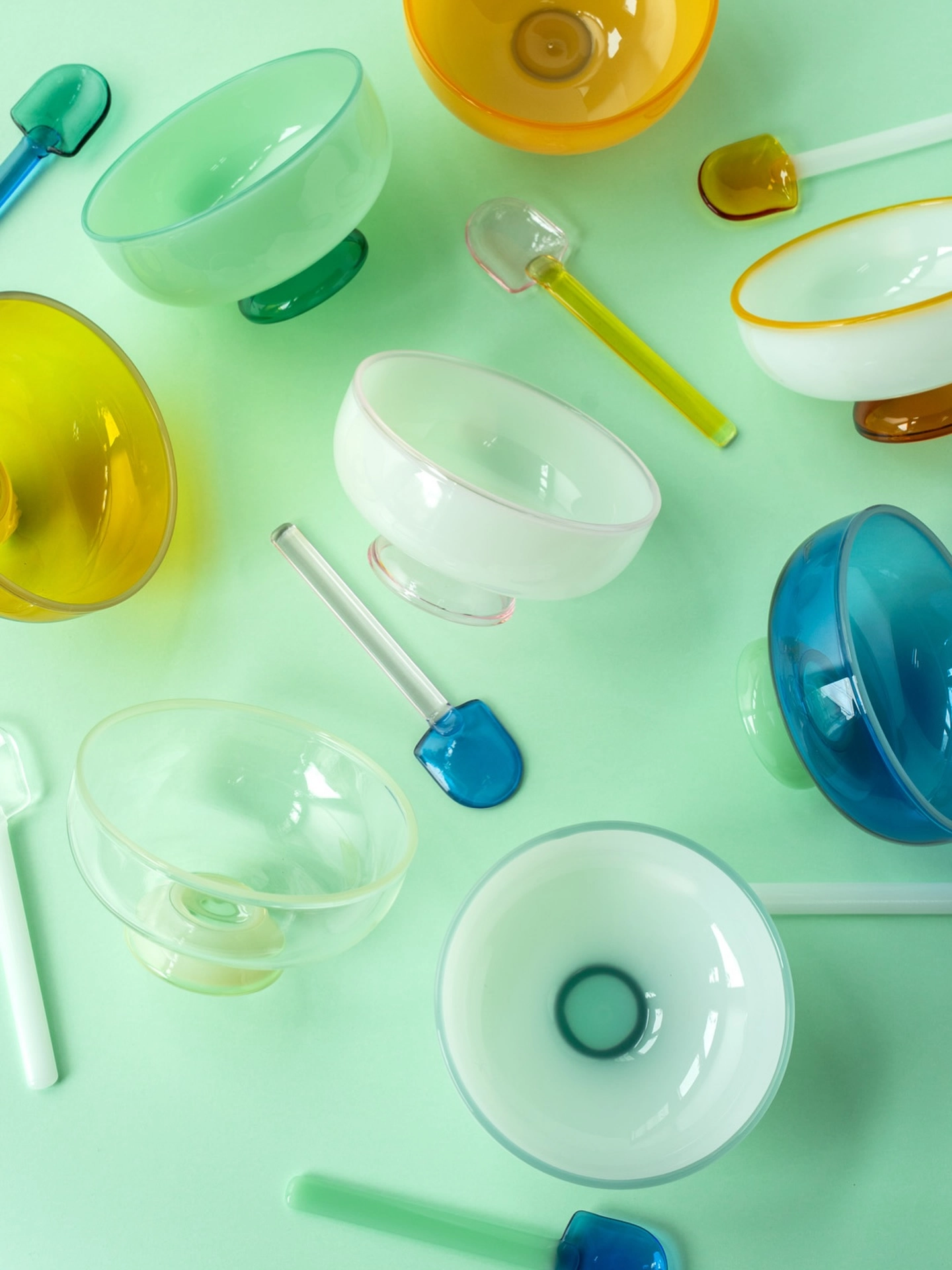
Amabro Tokyo
Amabro reinterprets existing genres of creative work rather than inventing new ones, running them through its own artistic lens. The Tokyo brand lives by a philosophy of folding art into daily life through tableware and colored glass goods. It also partners with storied Japanese craft regions like Arita-yaki and Hasami-yaki to pair centuries of ceramic knowledge with a modern wink.
Selo Objects
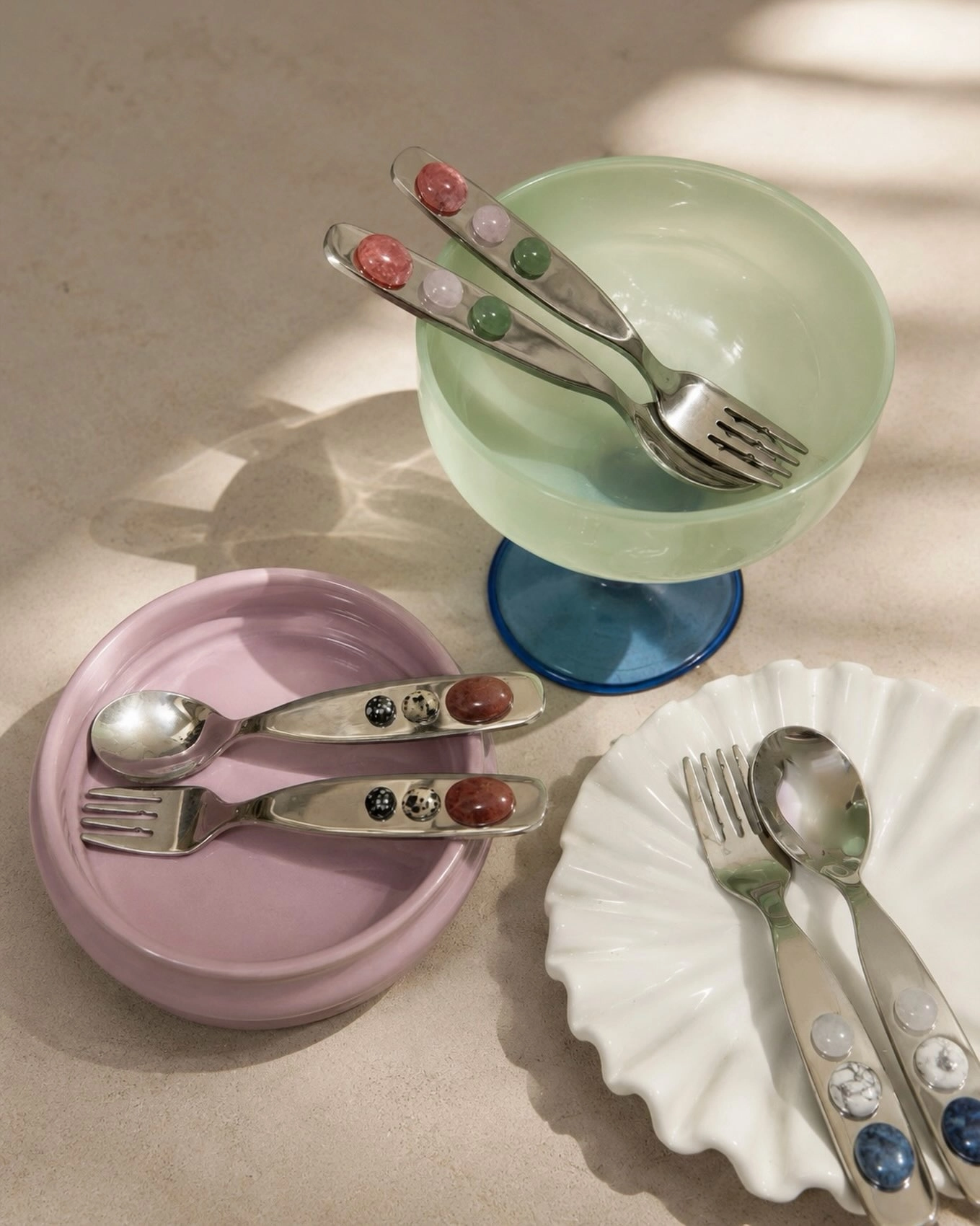
Selo Objects makes cutlery worth admiring before your meal even begins. This small Filipino brand produces beaded, colorful spoons, forks, and utensils that customers can decorate and personalize, turning a drawer of flatware into a small hoard of keepsakes.
Anthill Fabric
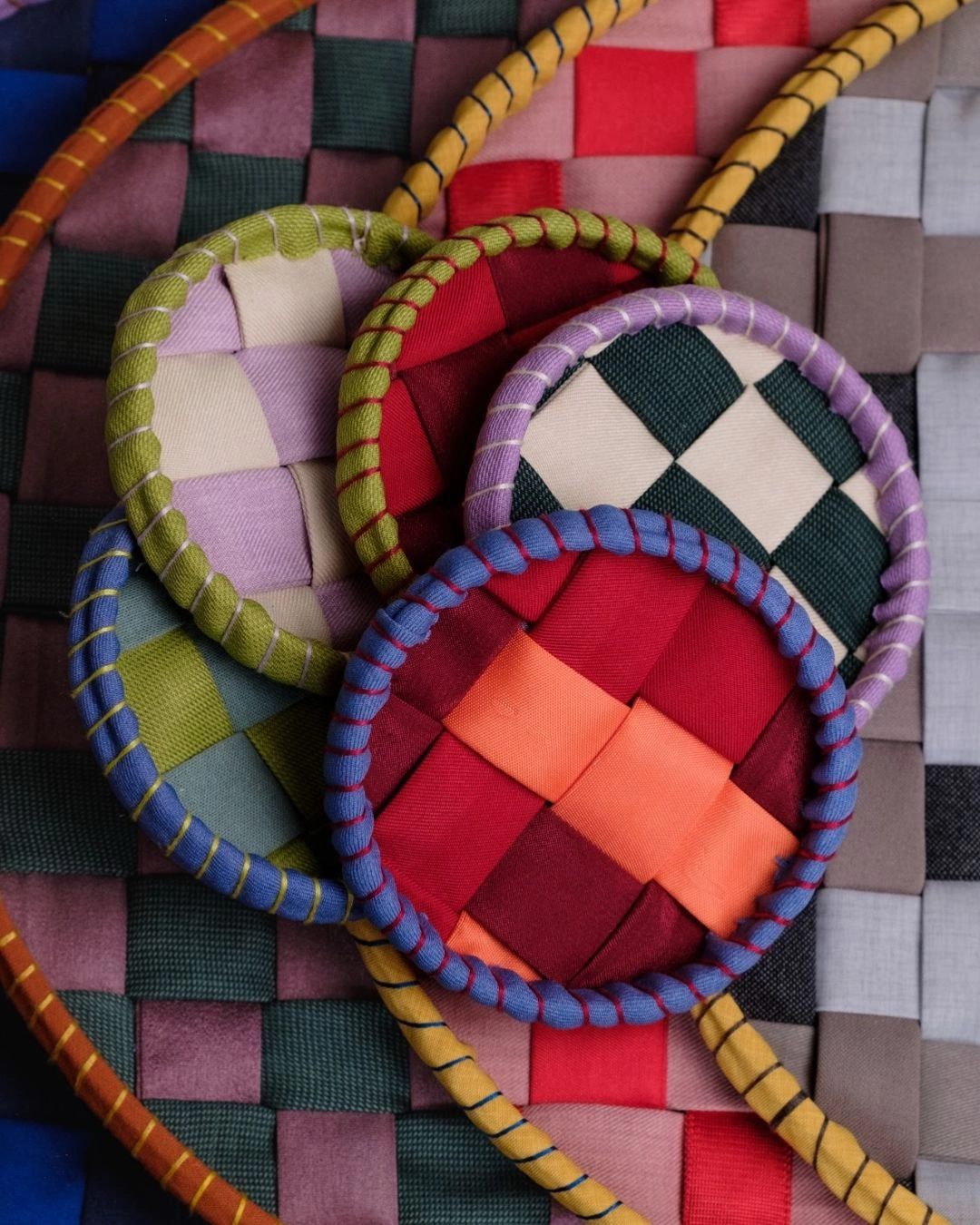
Anya Lim founded Anthill Fabric in Cebu on a simple principle to put people before products. The brand trains weavers across indigenous, rural, and working-class communities throughout the Philippines, keeping traditional weaving techniques alive and profitable for the people who practice them.
Their Bilao collection takes the round, flat woven tray that Filipino households have long used for winnowing rice, and turns it into brilliantly colored trivets, placemats, and coasters, giving an old form a new job at the table.
Soos Atelier
Amsterdam gave rise to Soos Atelier on the belief that the table is where people actually gather. The brand sums up this philosophy as “the art of socializing.” They make ceramics alongside stainless steel tableware, and its silver pieces stop conversation mid-sentence. People handle this tableware, pass it around, and keep coming back to it.
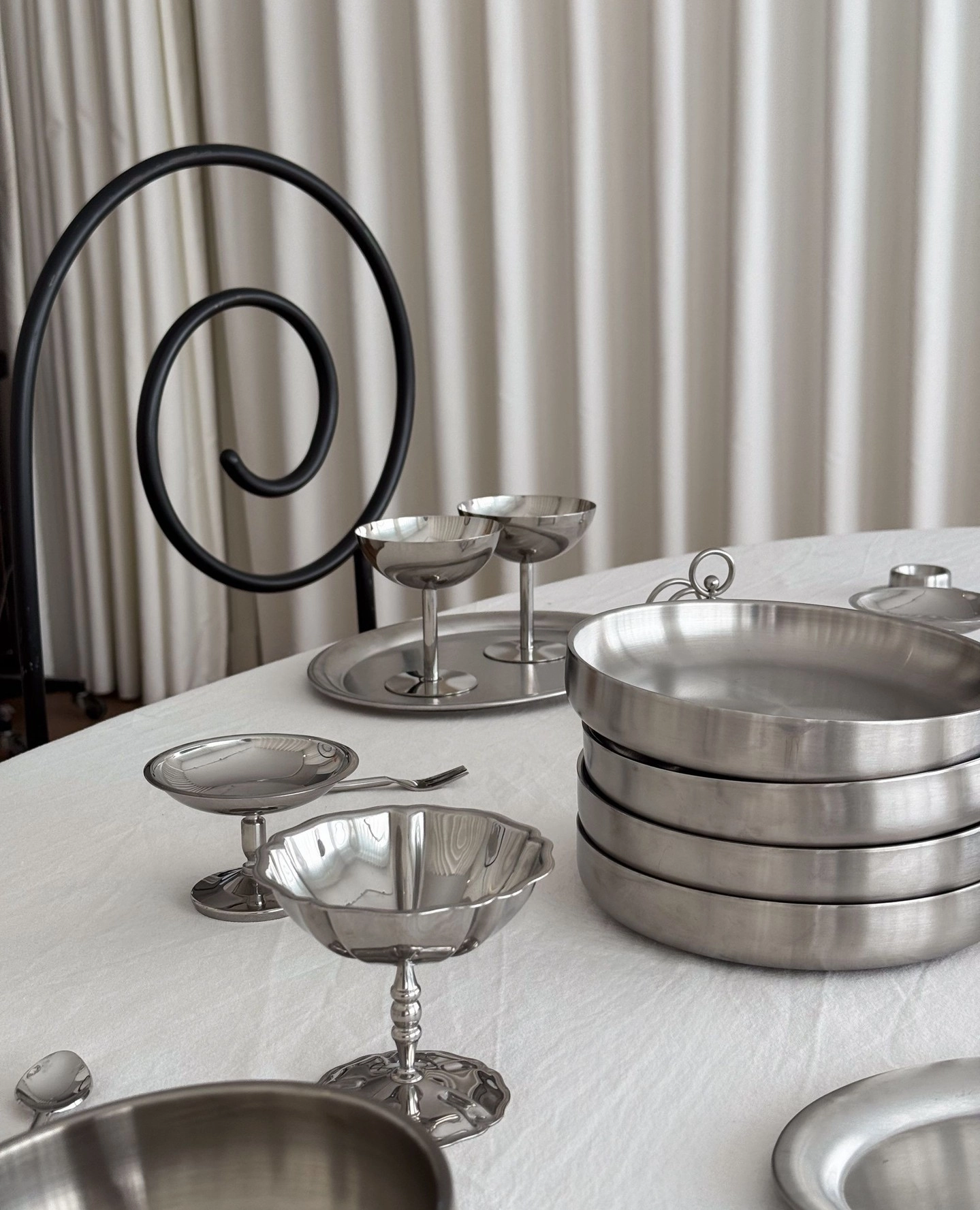
Built Editions
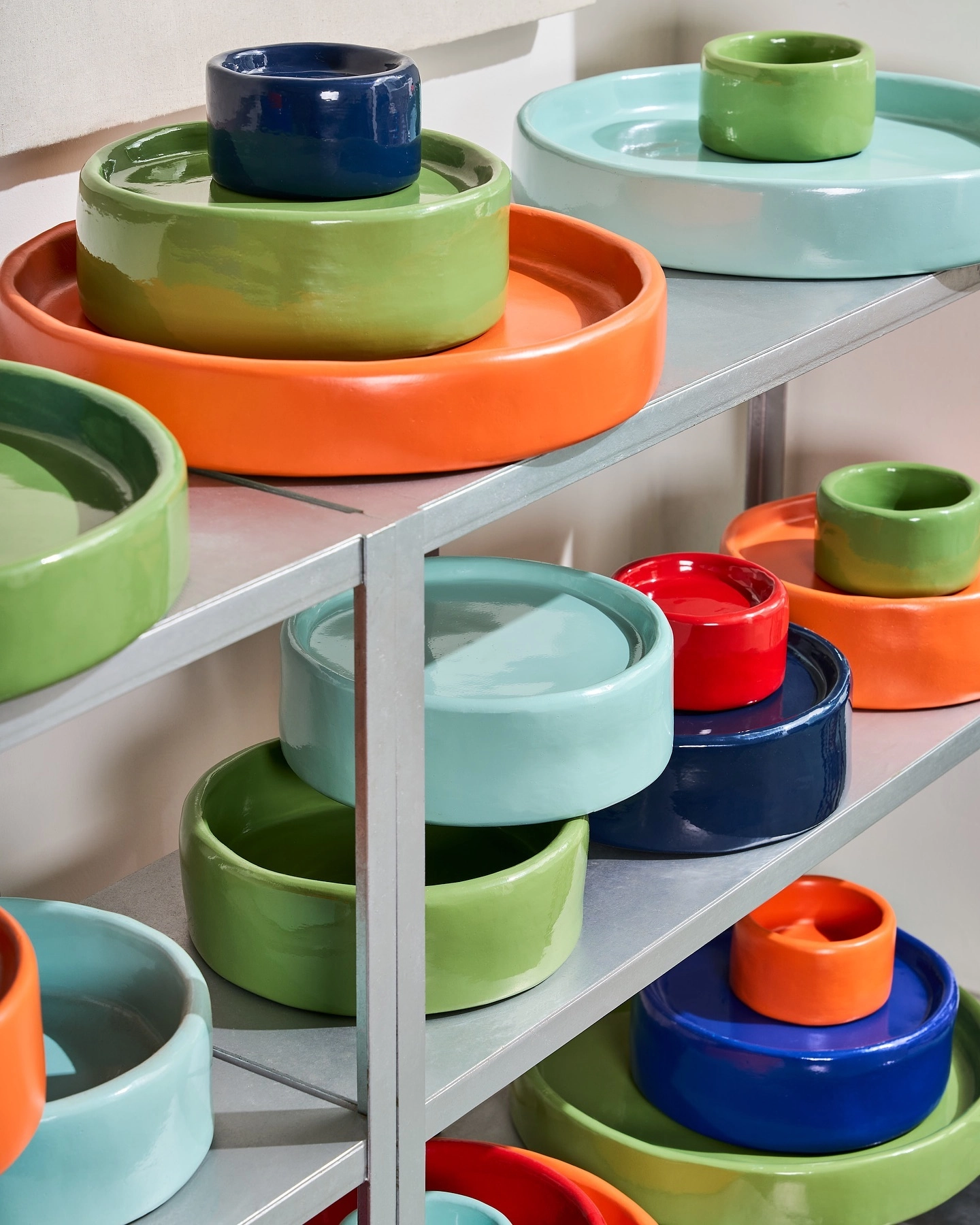
Built Editions pairs Dutch design sensibility with Indian craftsmanship. The Dutch studio Site Practice designs the collection, and artisans across India produce it, including lacquerware turners who work in centuries-old traditions. The dinnerware carries real heft and color loud enough to anchor a whole table. Here, craft functions as a genuine creative partnership, not a supply chain.
Ichendorf Milano
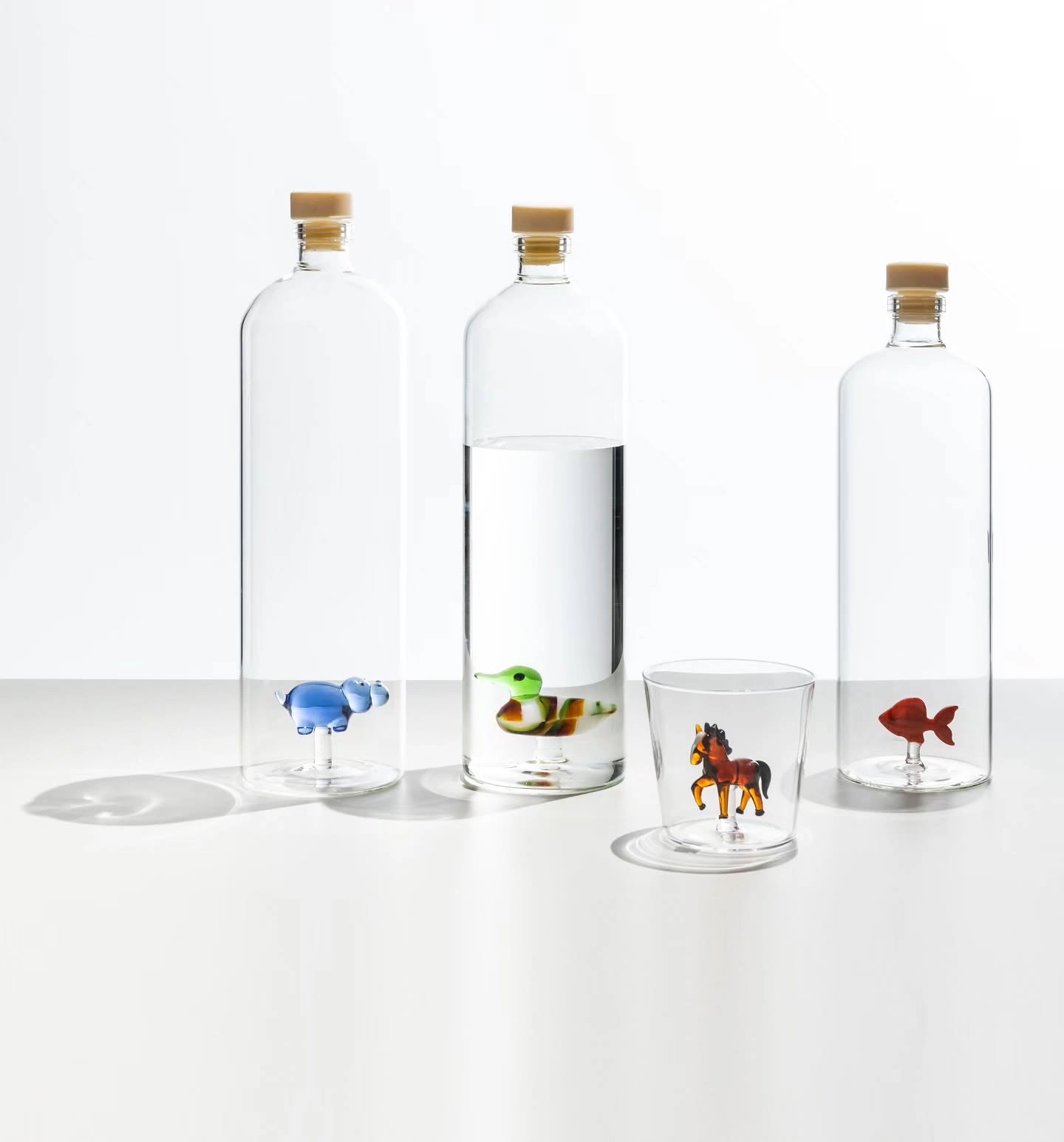
Ichendorf Milano has shaped glass since the early 20th century. German in origin and Italian by address, it still hand-blows tableware alongside leading Italian designers. Its animal-shaped tumblers, jugs, and pitchers—cast as owls, ducks, squirrels, and turtles—have become a house signature. The brand crafts these pieces from sturd borosilicate glass, carrying just enough mischief to never feel precious.
Frequently Asked Questions
Amabro Tokyo, Selo Objects, Anthill Fabric, Soos Atelier, Built Editions, and Ichendorf Milano are independent brands that bring craft and cultural traditions into everyday tableware.
Amabro Tokyo works with Japanese craft regions such as Arita-yaki and Hasami-yaki, while Built Editions pairs Dutch design with Indian craftsmanship. Ichendorf Milano also combines hand-blown glassmaking with contemporary design.
Selo Objects and Anthill Fabric bring Filipino craft into the home. Selo Objects creates colorful, customizable beaded utensils, while Anthill Fabric turns traditional woven forms into pieces such as trivets, placemats, and coasters.
The brands create a range of tableware, including ceramics, cutlery, utensils, glassware, trivets, placemats, and coasters. Amabro Tokyo makes ceramics and colored glass goods, while Soos Atelier makes ceramics and stainless steel tableware.
Amabro Tokyo works with established Japanese ceramic traditions, Anthill Fabric supports Filipino weaving communities, and Built Editions collaborates with Indian artisans. Ichendorf Milano continues hand-blown glassmaking while giving its tableware contemporary forms.