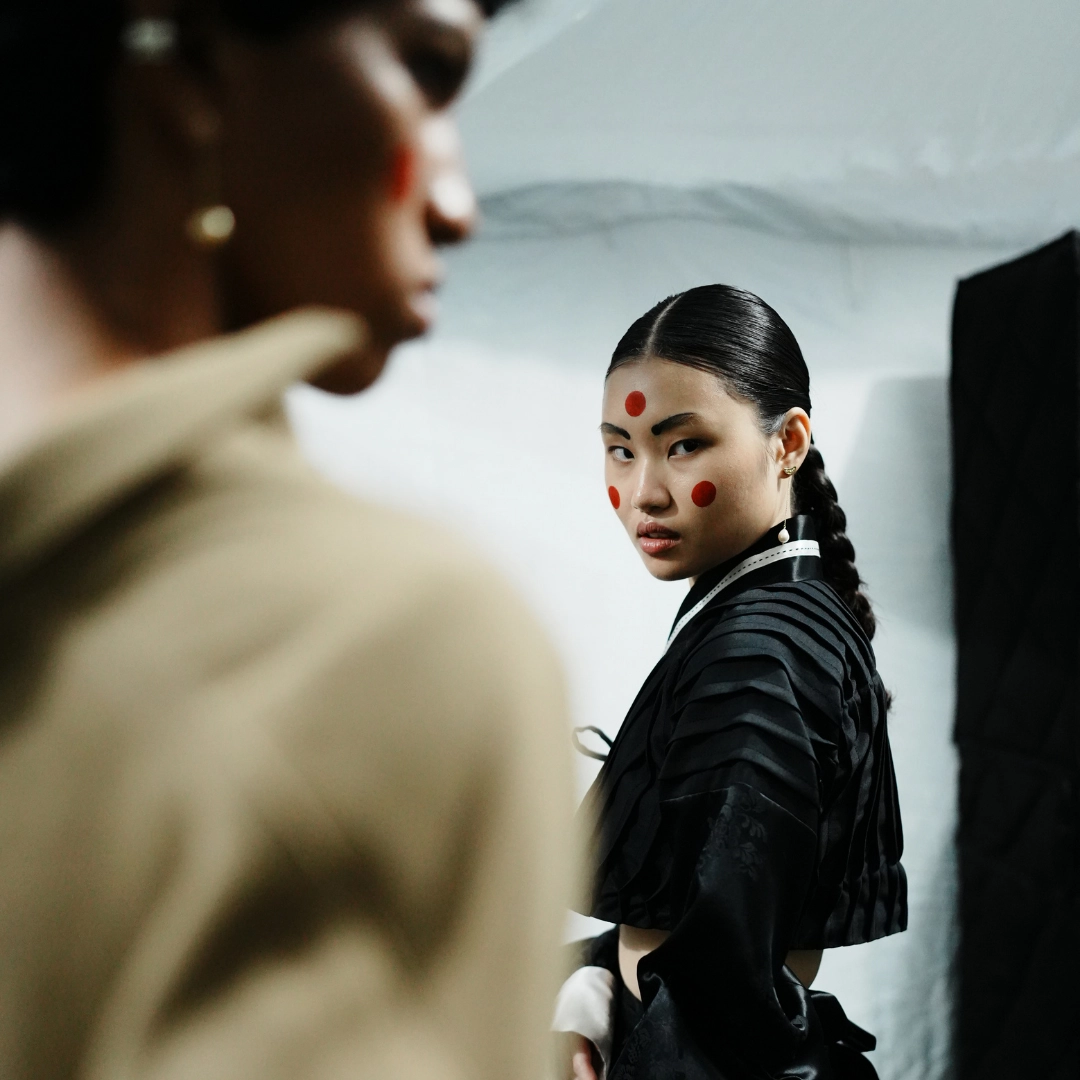
Fashion Week Asia takes the region’s creative voices to the forefront, with its second day presenting collections from the Philippines’ Rosanna Ocampo and Maligaya Clothing Co., Vietnam’s KILOMET109, and South Korea’s BAJUYO.
Different traditions, fresh interpretations. Fashion WeekFashion WeekA recurring event, held in cities such as Paris, Milan, New York, and London, where designers present upcoming collections to buyers, editors, and celebrities. Fashion weeks set the direction ofGo to Fashion Week Glossary Asia 2026 Day 2 brought another set of distinctive voices to the runway, exploring the possibilities of Asian craft and contemporary dress.
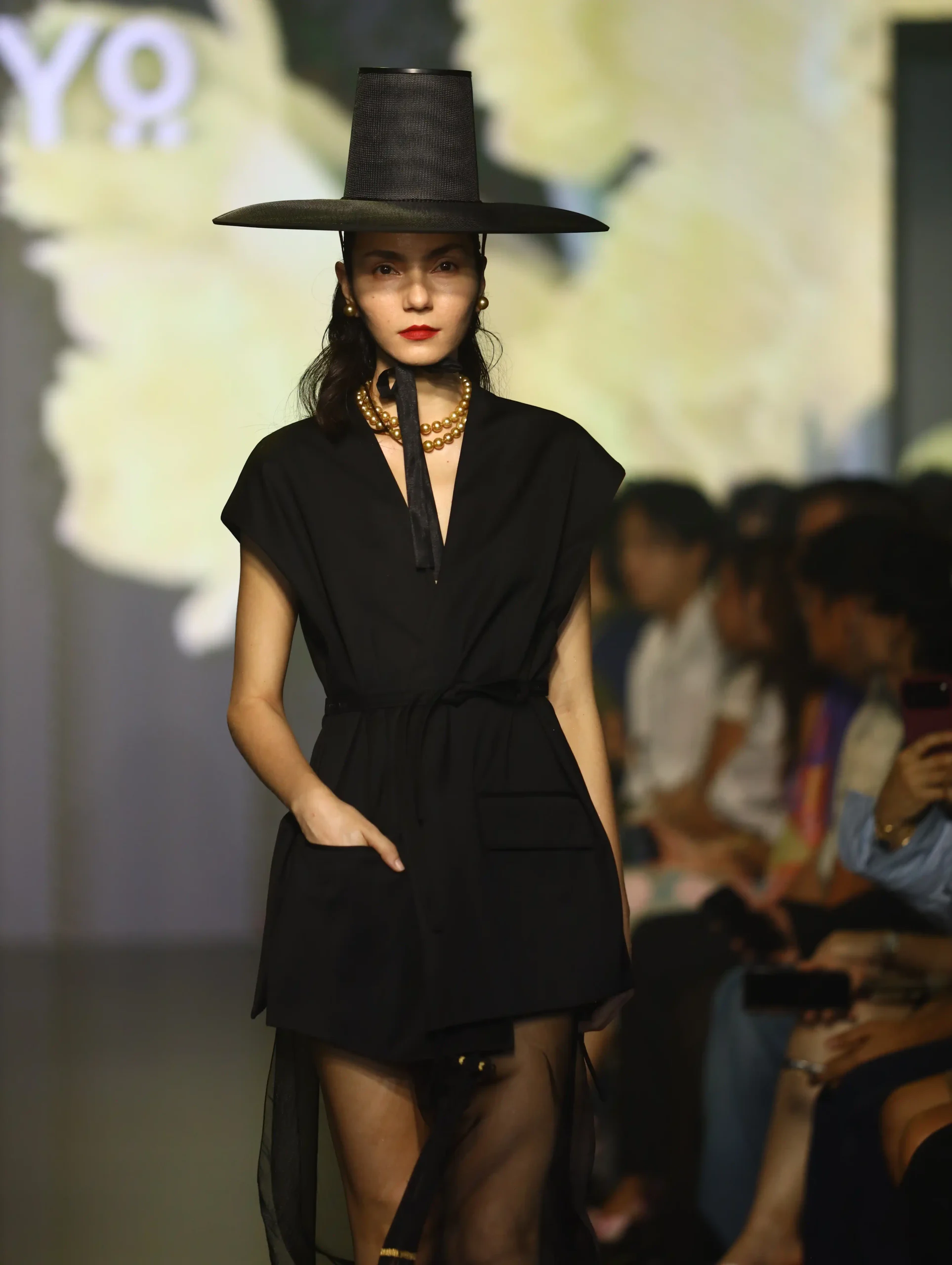
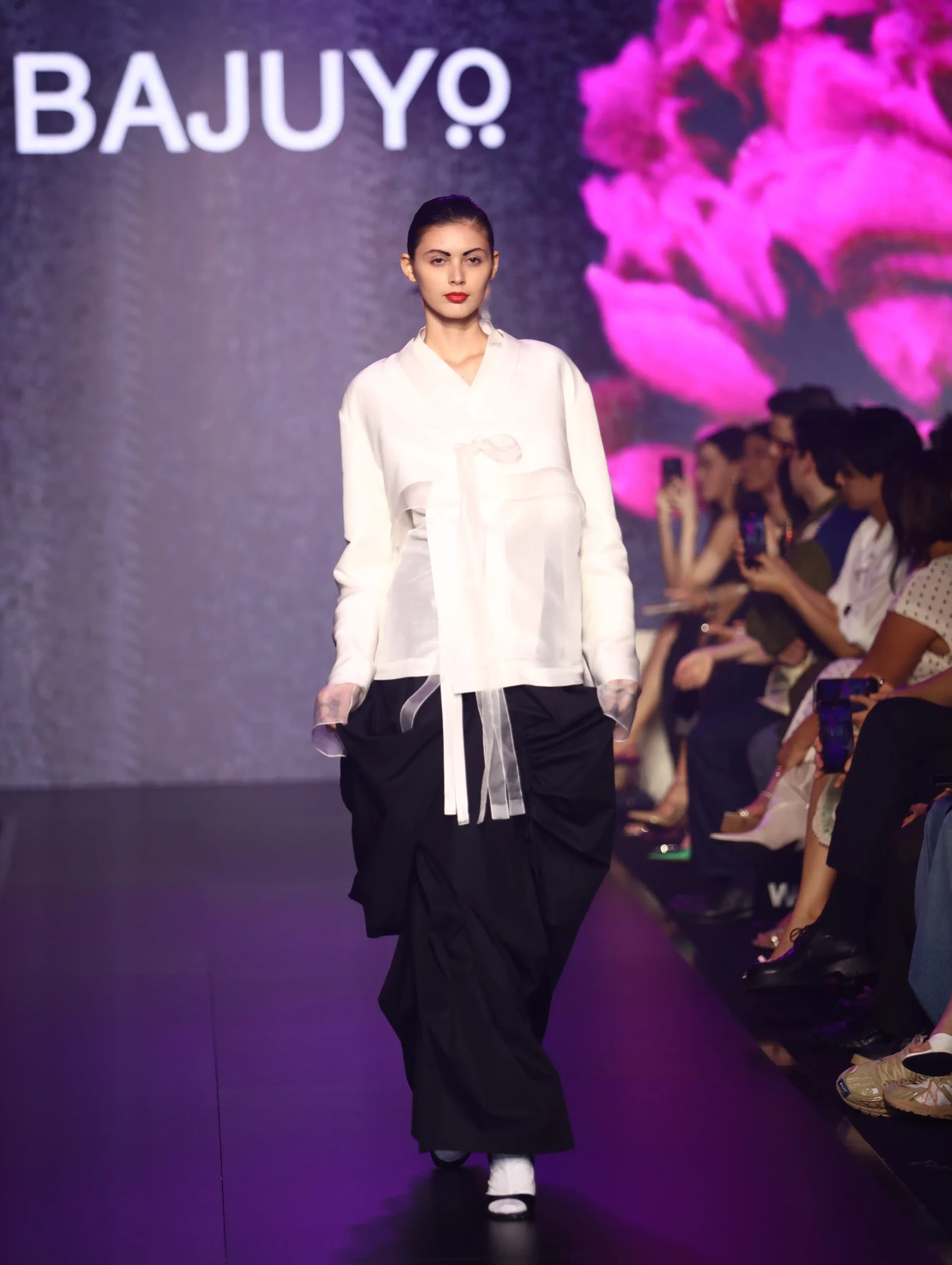
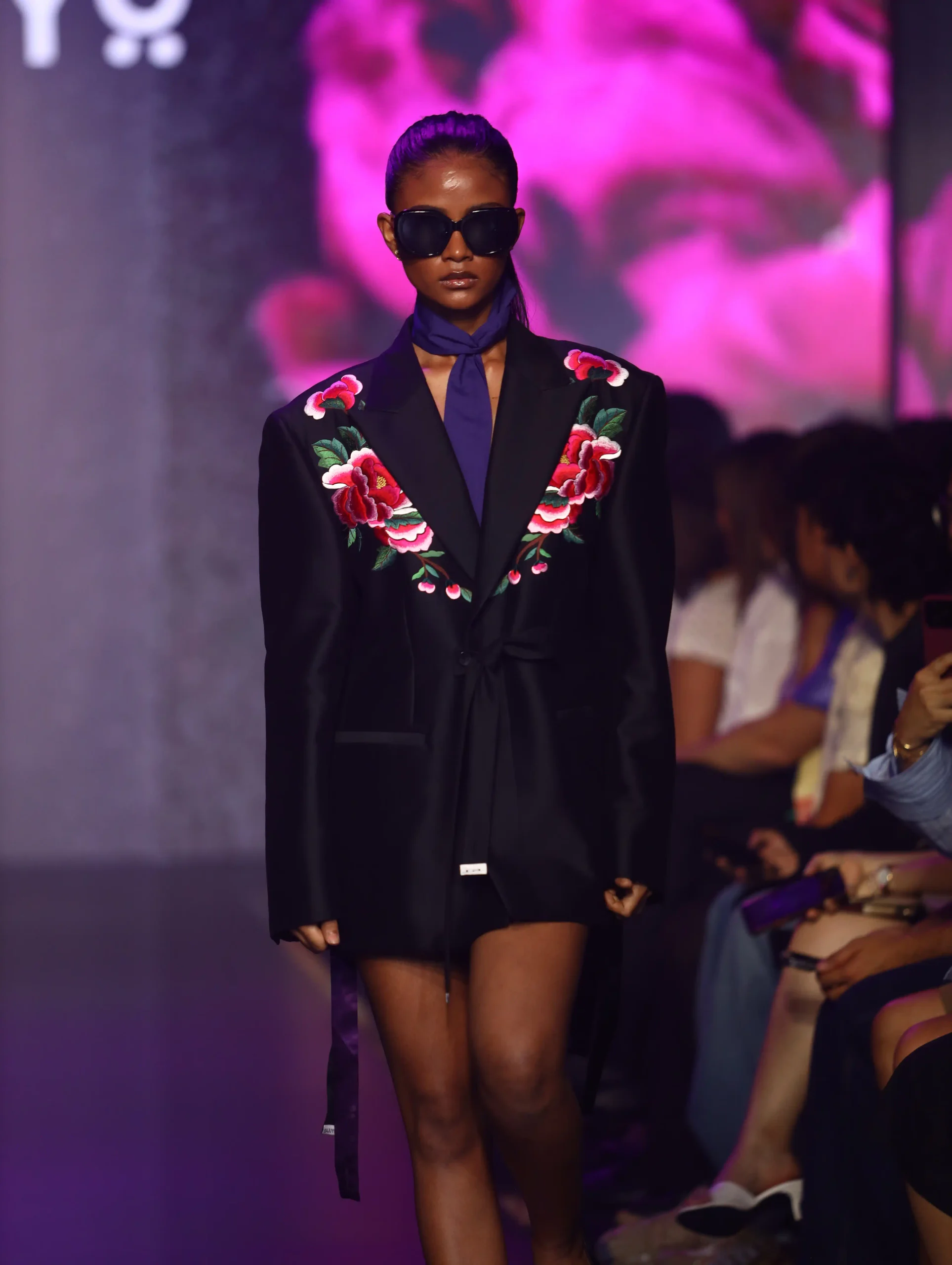
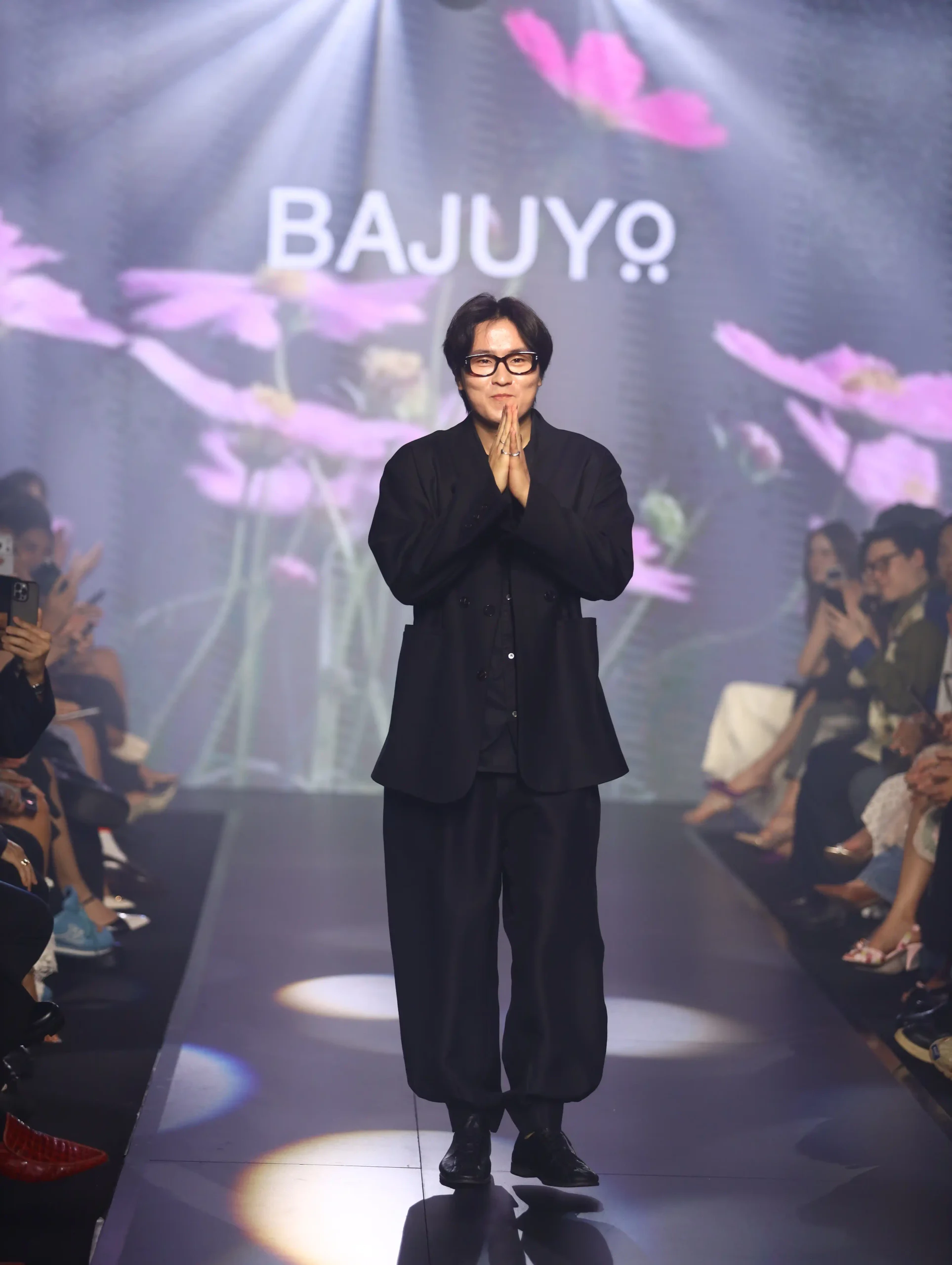
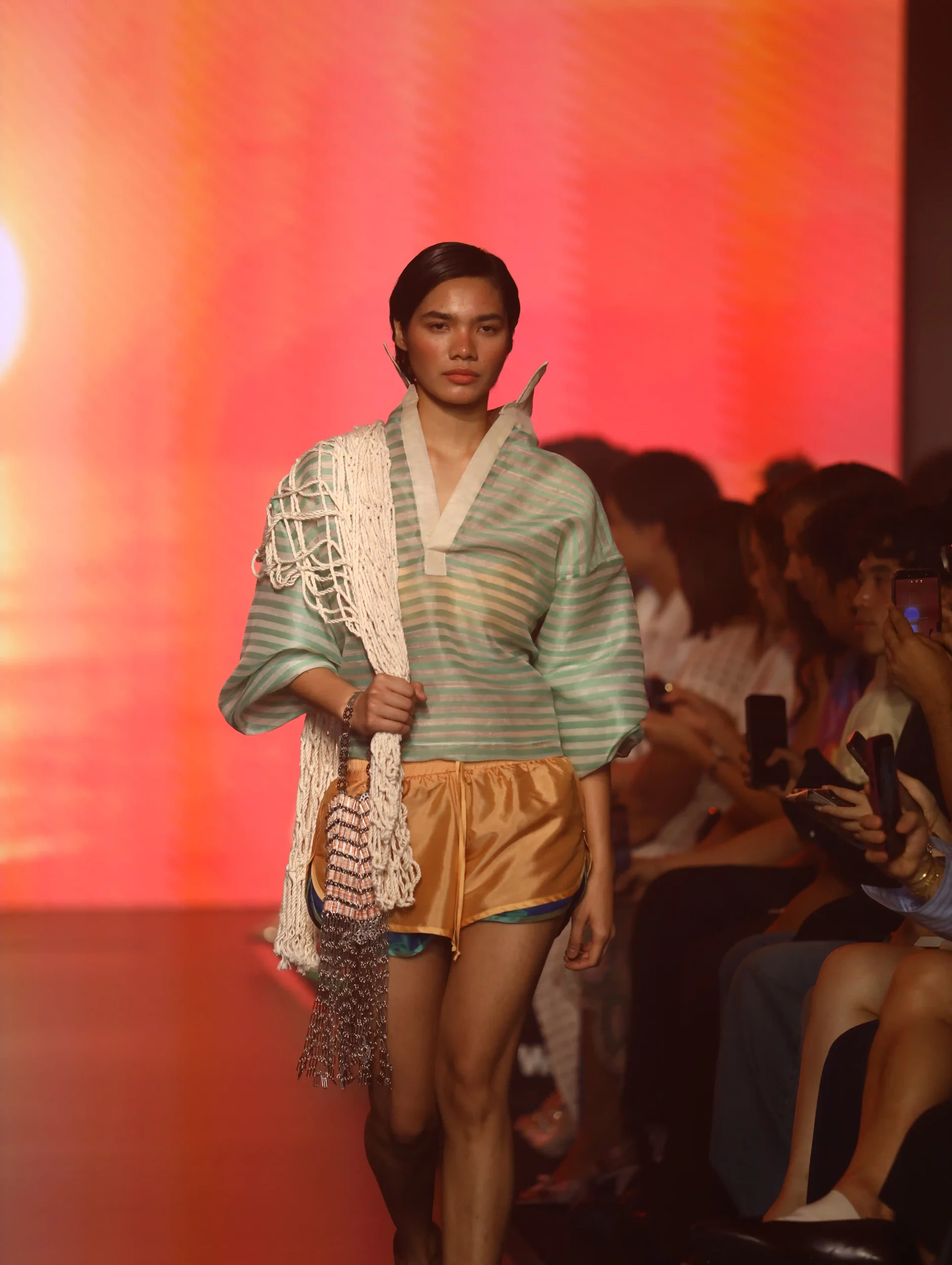
On the runway: the Philippines’ Rosanna Ocampo, known for her expressive use of color, print, and texture under her namesake label; Vietnam’s KILOMET109 by Vu Thao (v.u.t.h.a.o), rooted in handwoven textiles and natural dyes; South Korea’s BAJUYO by Darni Park (@darnipark), reimagining the construction and proportions of hanbok; and the Philippines’ Maligaya by Roko Arceo, giving heirloomHeirloomA valued object, such as jewelry, a watch, furniture, or textile, passed down through generations, carrying sentimental worth. Heirloom-quality pieces are made to last, and buyers increasingly choose timeless craftsmanshipGo to Heirloom Glossary fabrics and familiar Filipino silhouettes new life.
Two days in, and still so much to discover. Catch up on what went down the runway at Fashion WeekFashion WeekA recurring event, held in cities such as Paris, Milan, New York, and London, where designers present upcoming collections to buyers, editors, and celebrities. Fashion weeks set the direction ofGo to Fashion Week Glossary Asia’s second day, with venue partners Newport World Resorts and Palacio De Memoria.
READ ALSO: Day 1 Of Fashion Week Asia 2026: Backstage And On The Runway
Maligaya Clothing Co. (Philippines)
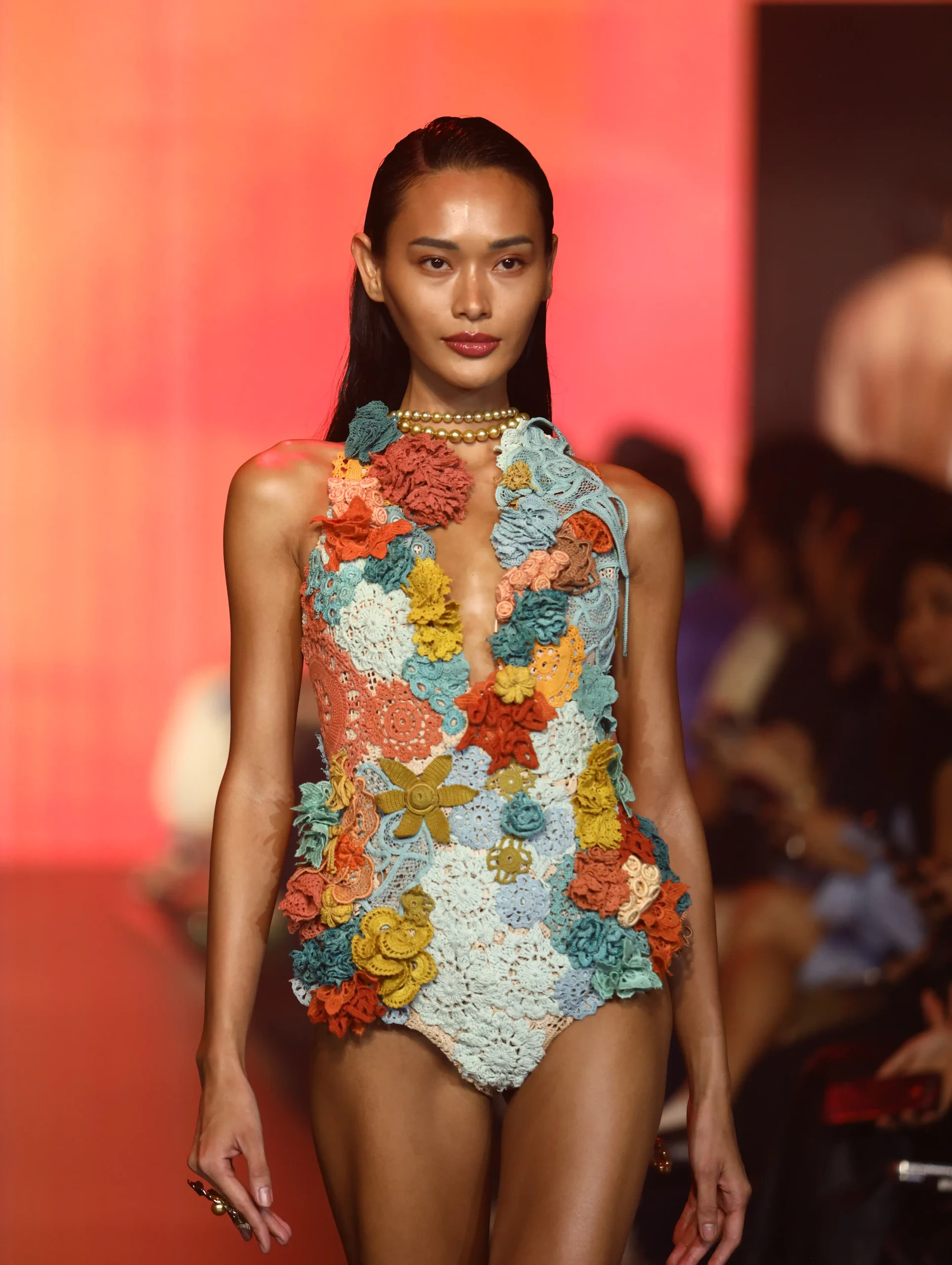
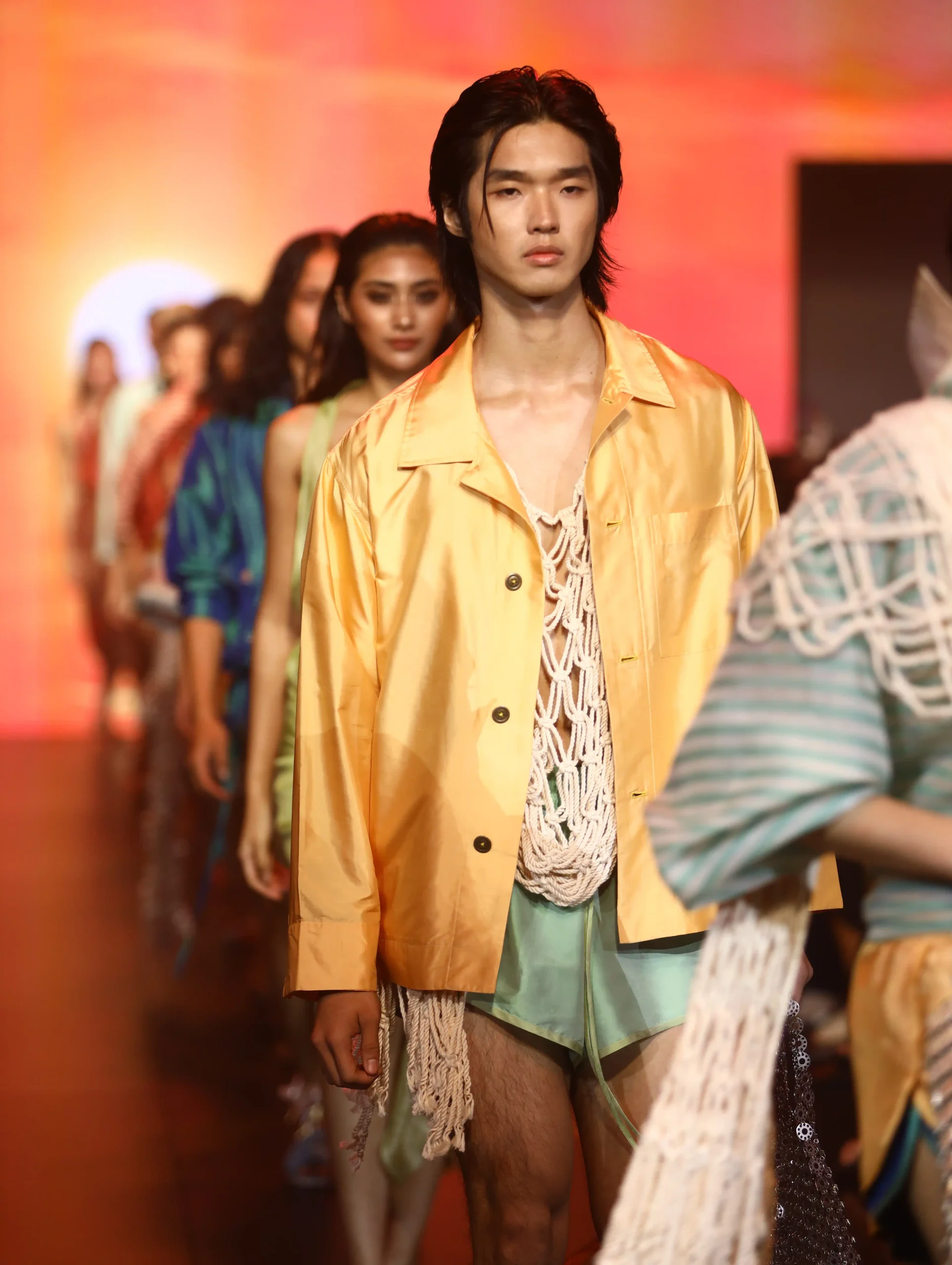
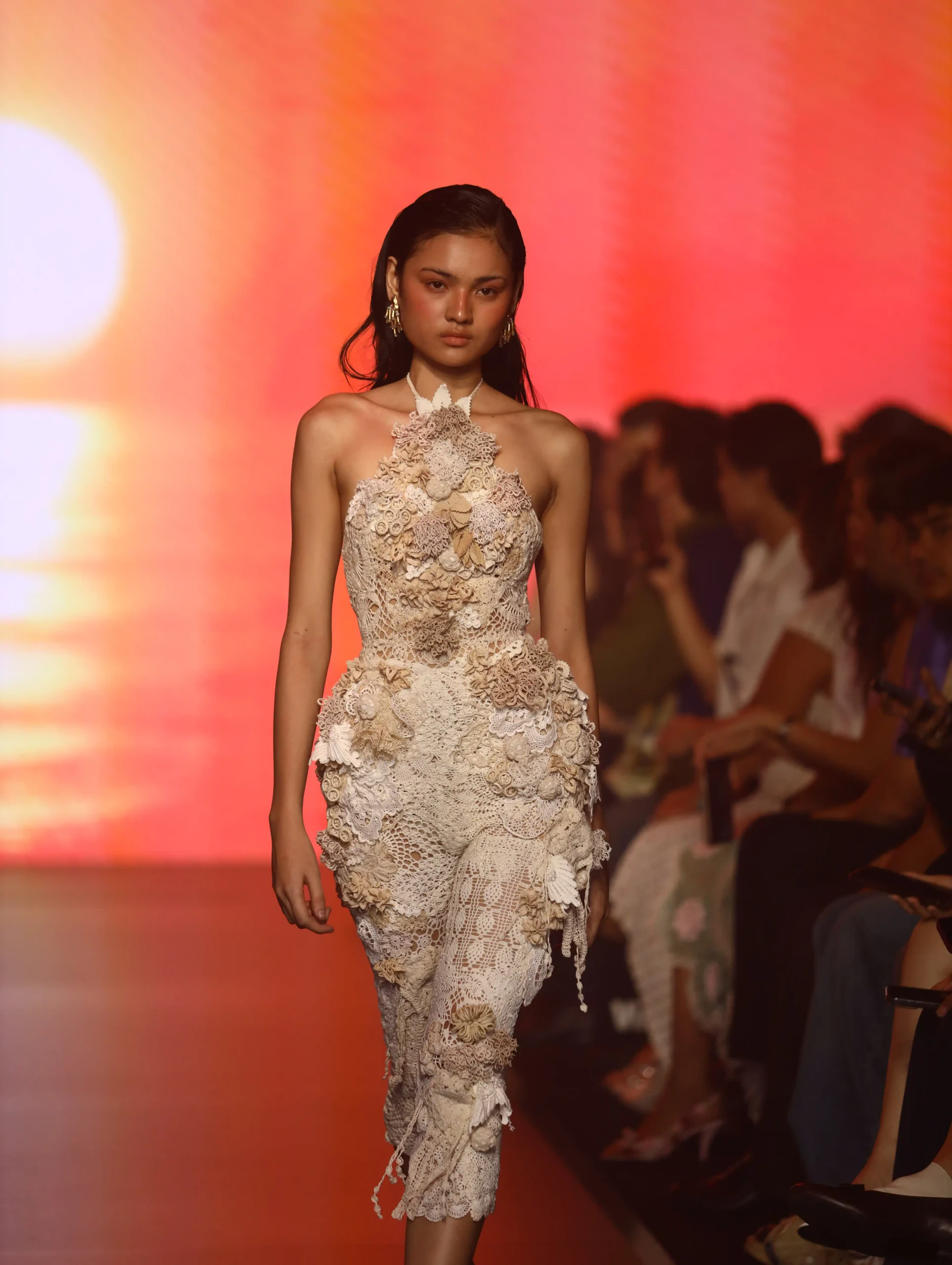
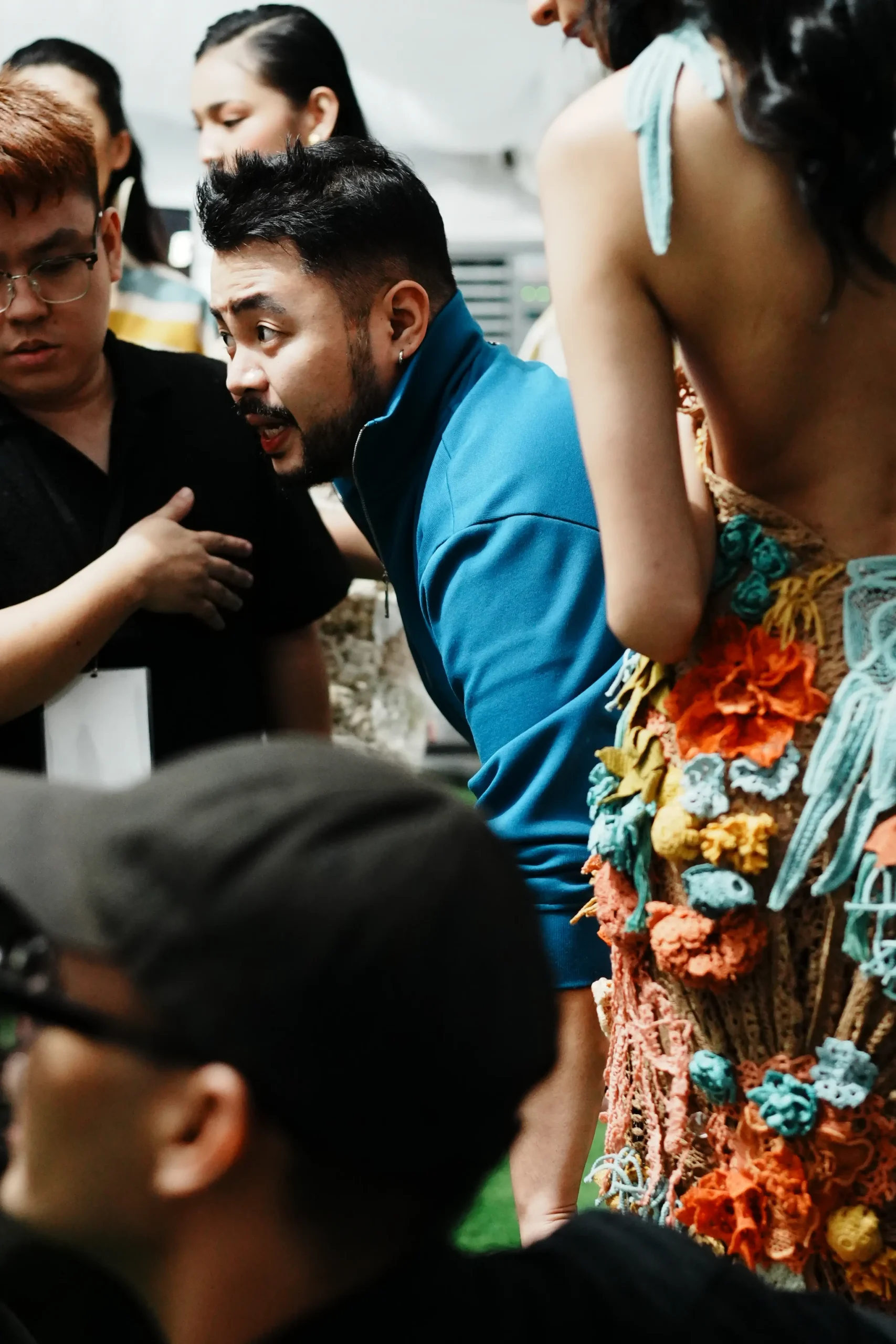
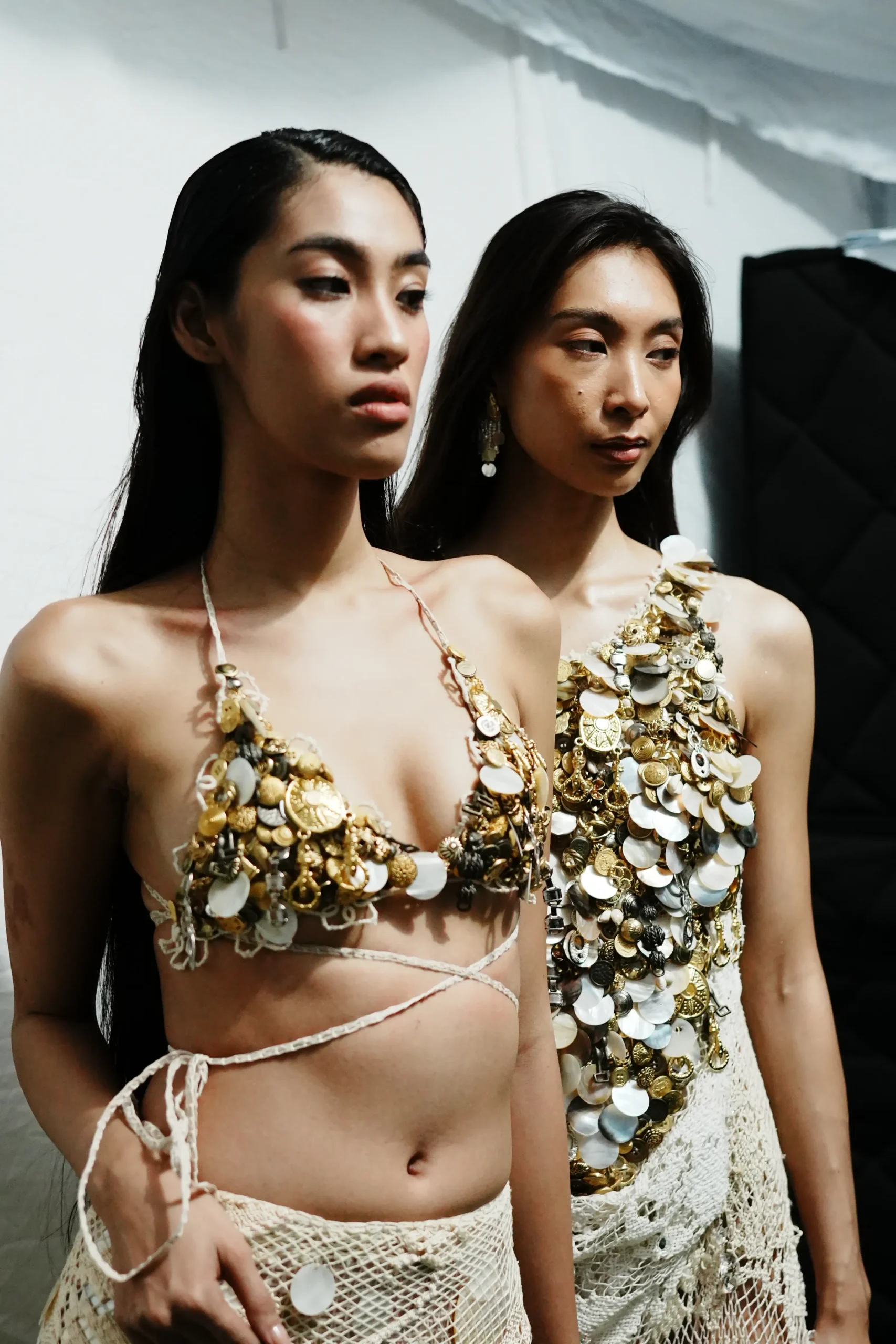
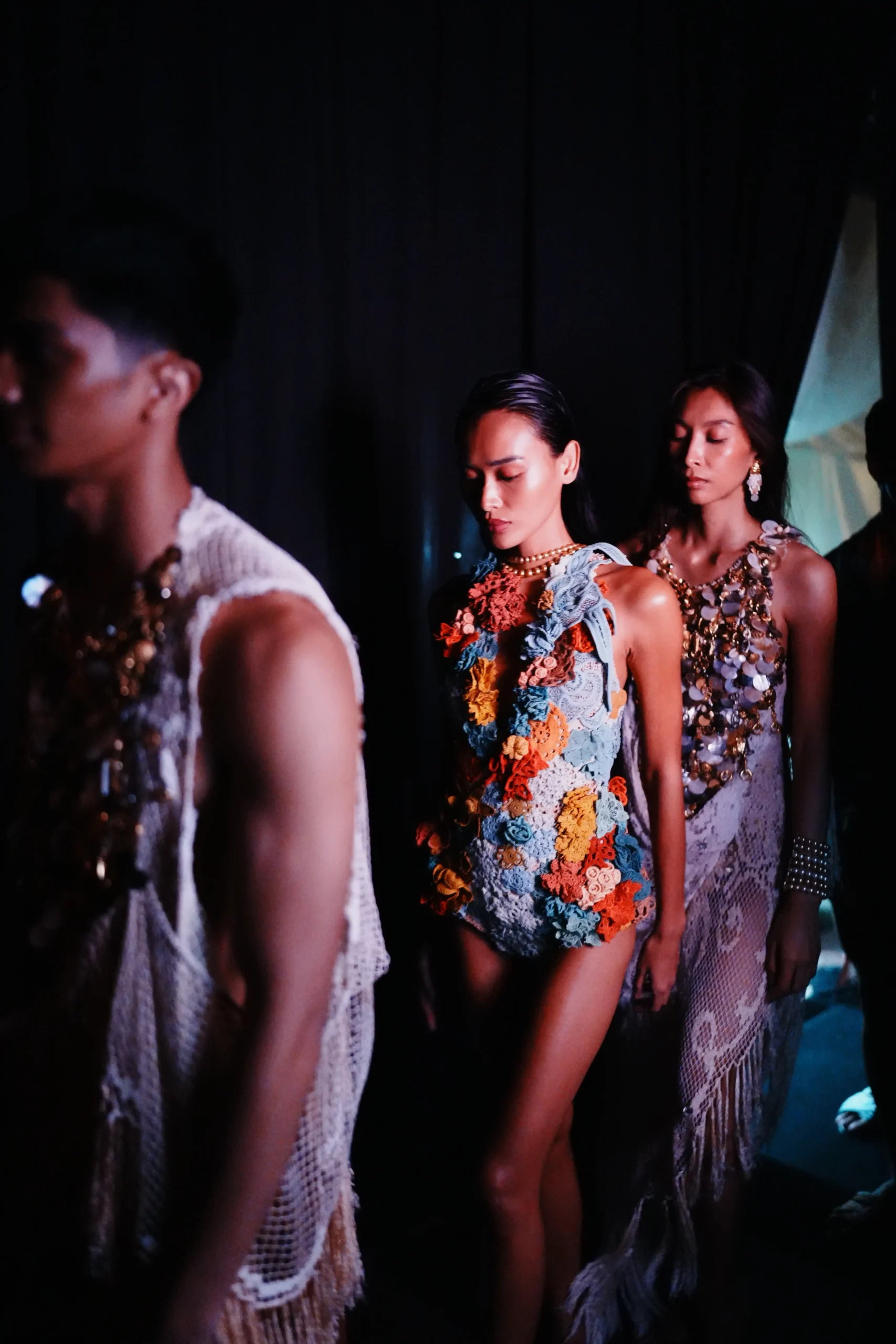
Maligaya’s Rokko Arceo brought a little summer to the runway. Inspired by the textures and treasures of the sea, his collection features mother-of-pearl accents, vintage buttons, upcycled crochet doilies, vintage lace tablecloths, Tencel, and silk, turning coastal treasures into wearable art.
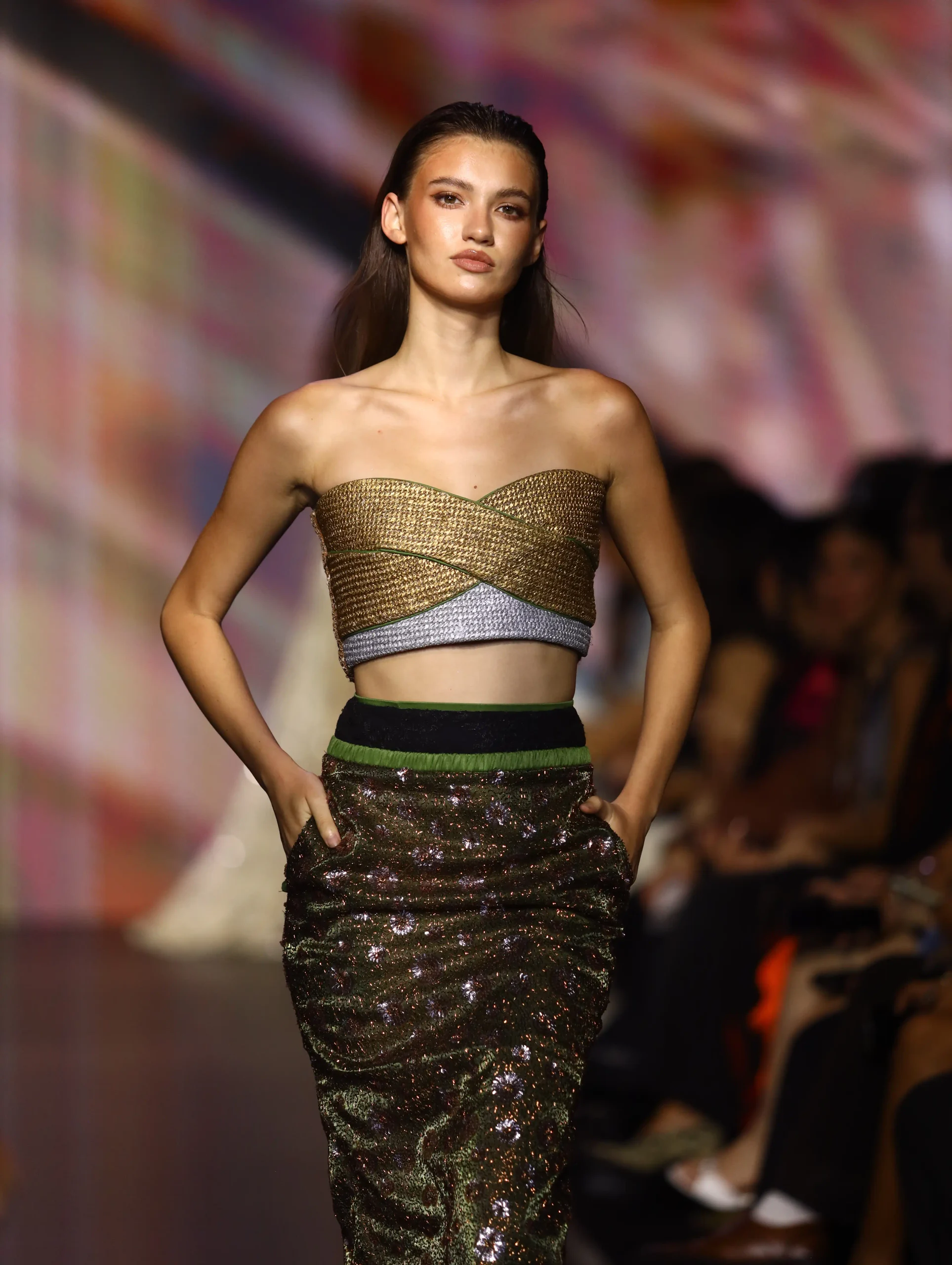
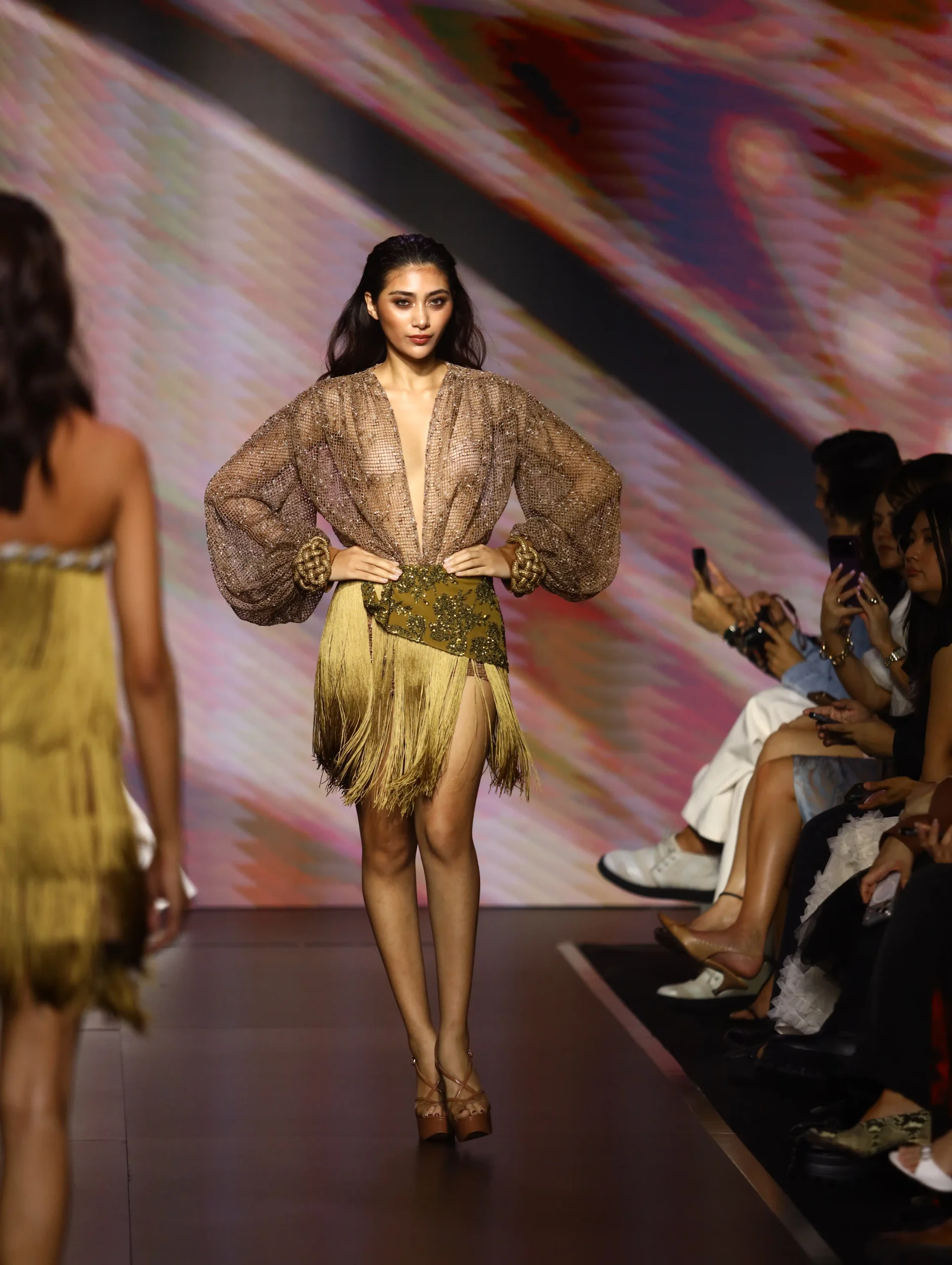
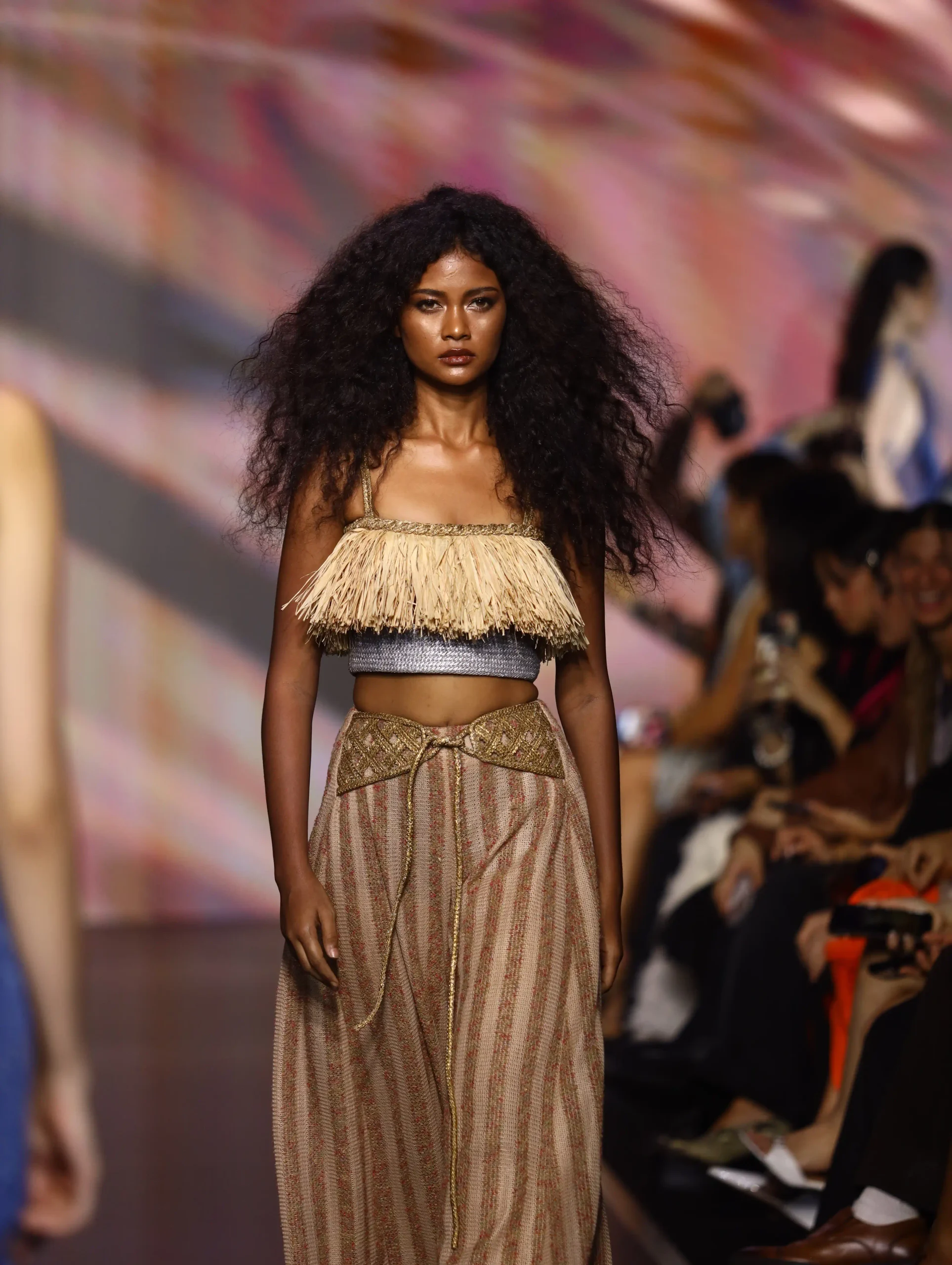
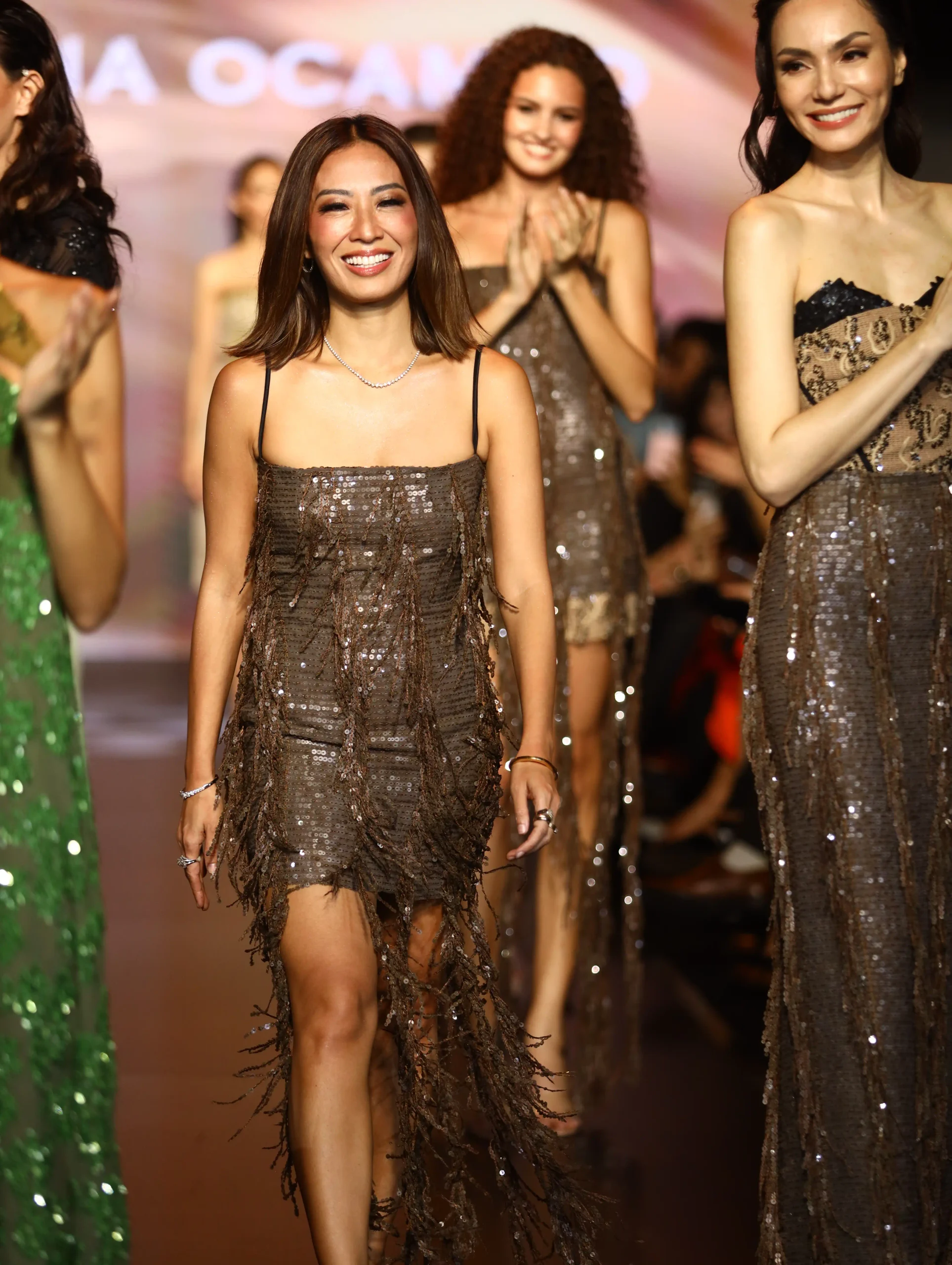
Rosanna Ocampo (Philippines)
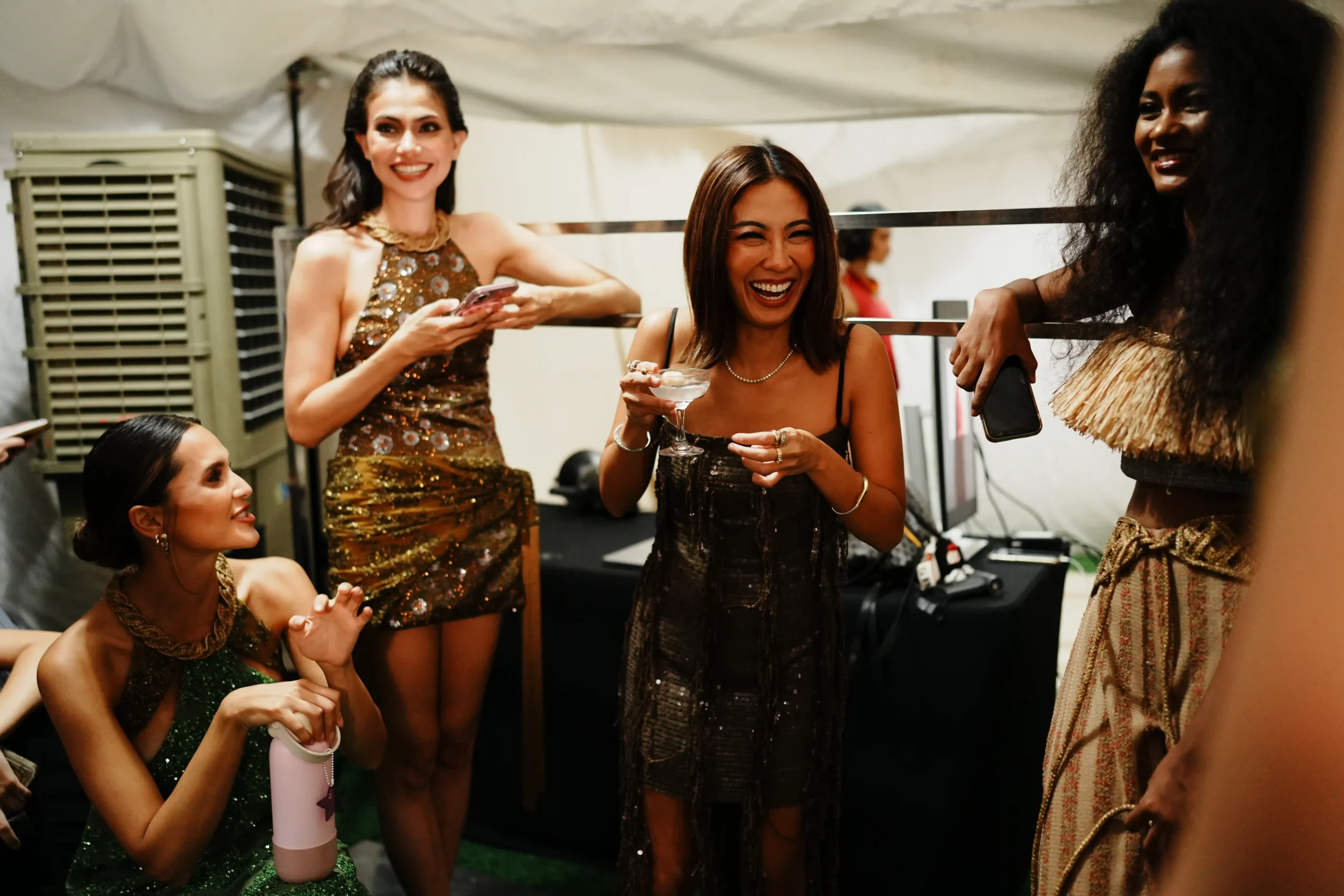
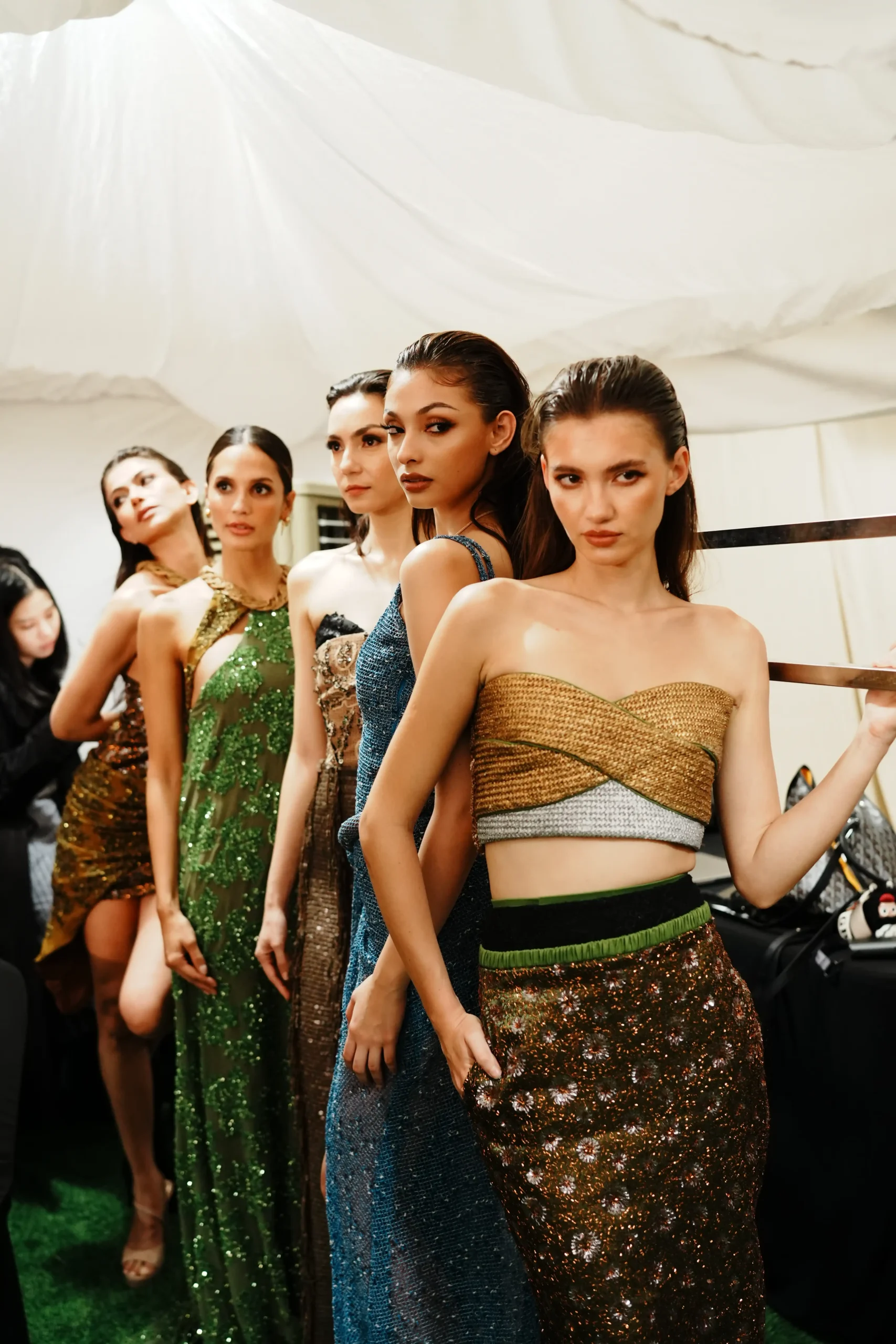
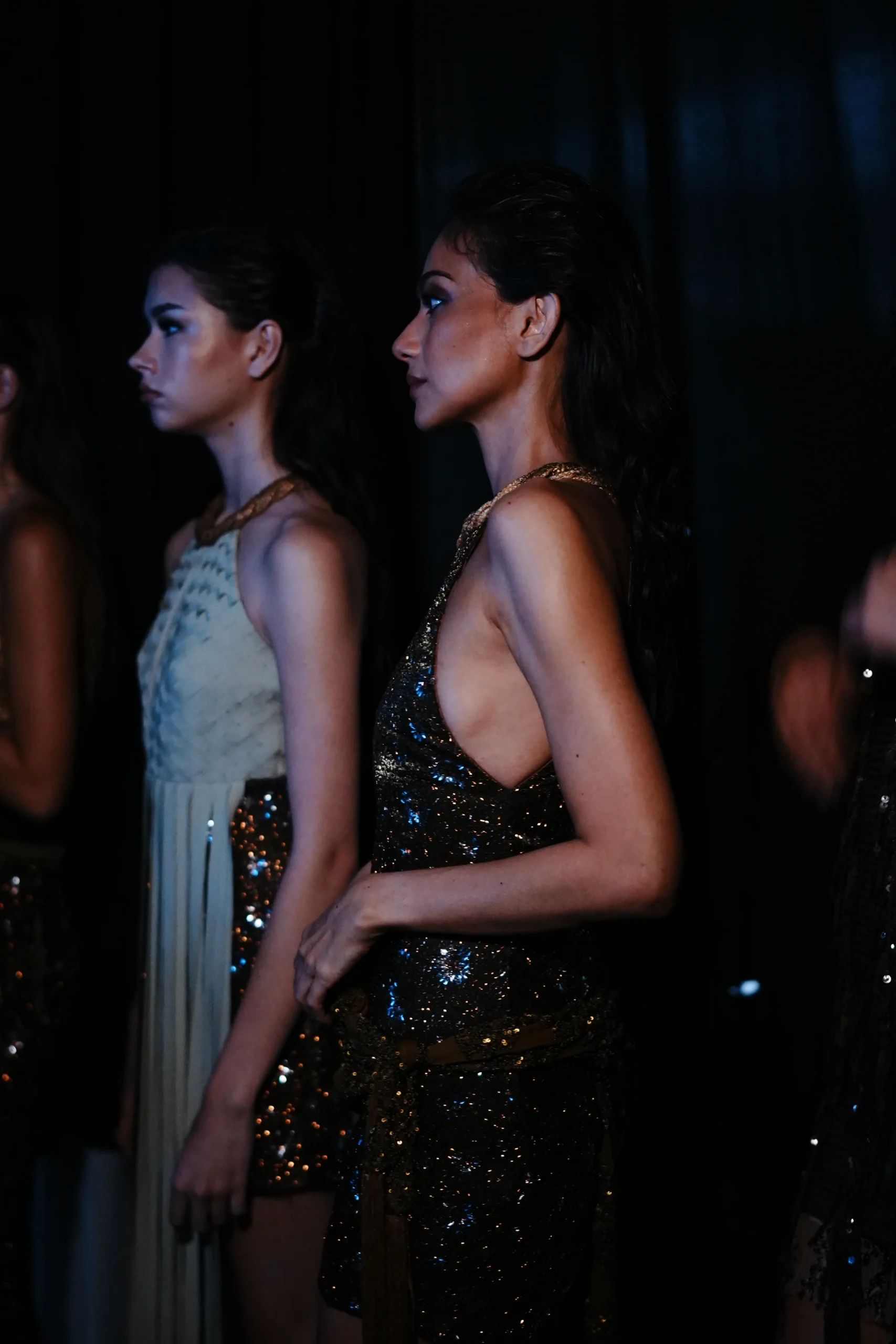
After five years of working with raffia, Rosanna Ocampo continues to push the boundaries of her craft with “Molten Raffia.” Rooted in her Filipino heritage, the collection celebrates the artistry and identity of Filipino women, showing that our stories, craftsmanship, and creativity belong on the world stage.
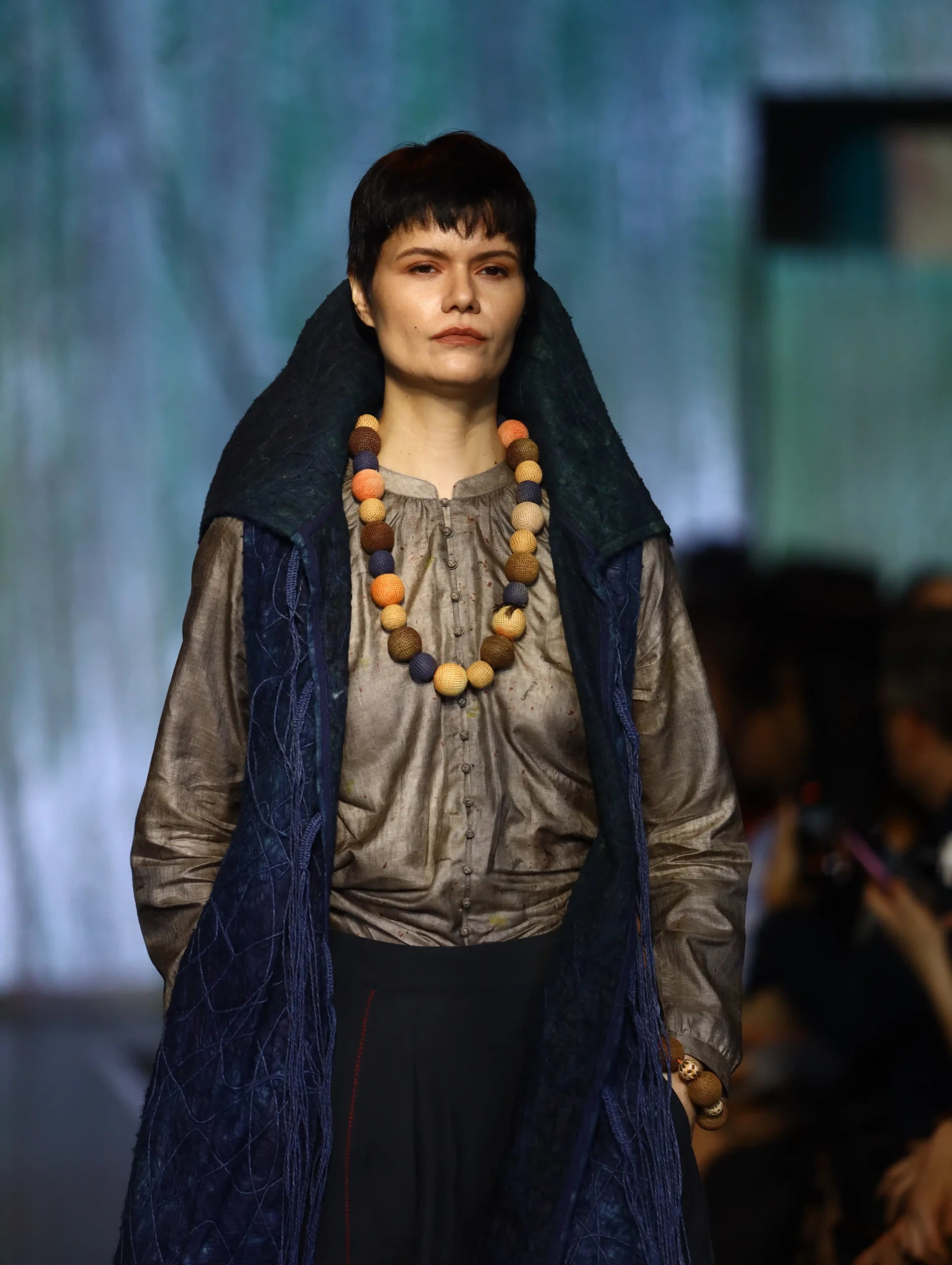
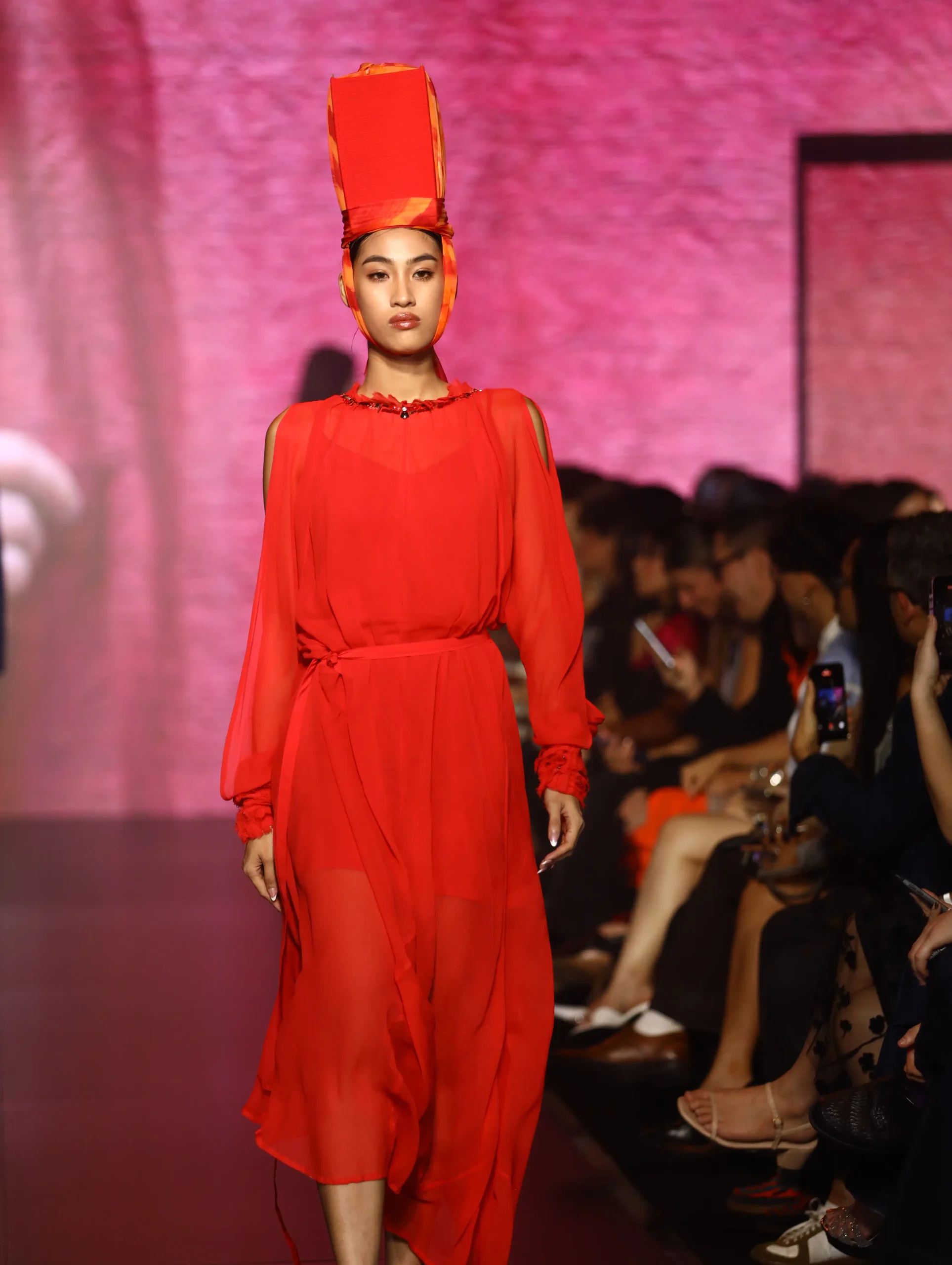
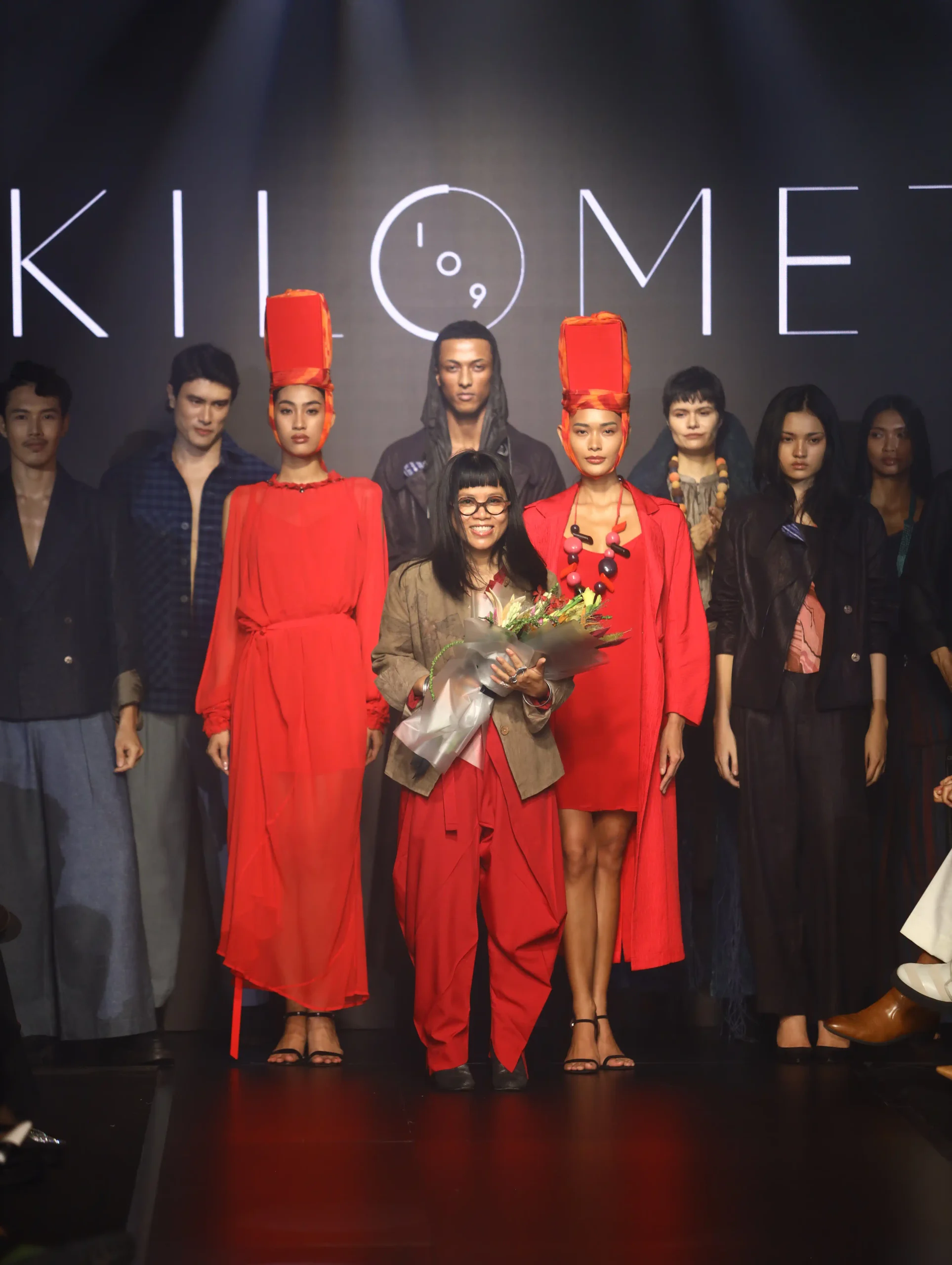
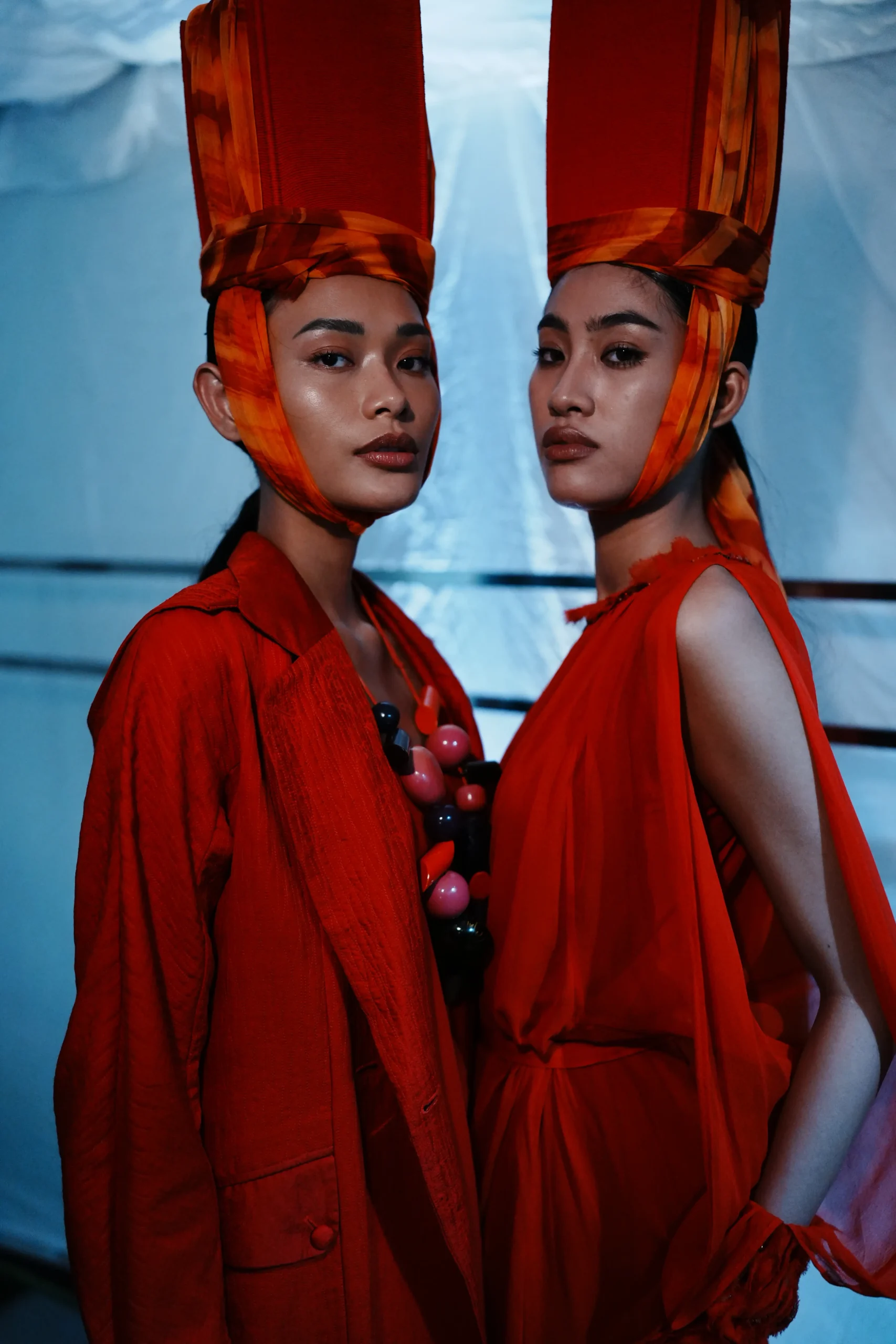
KILOMET109 (Vietnam)
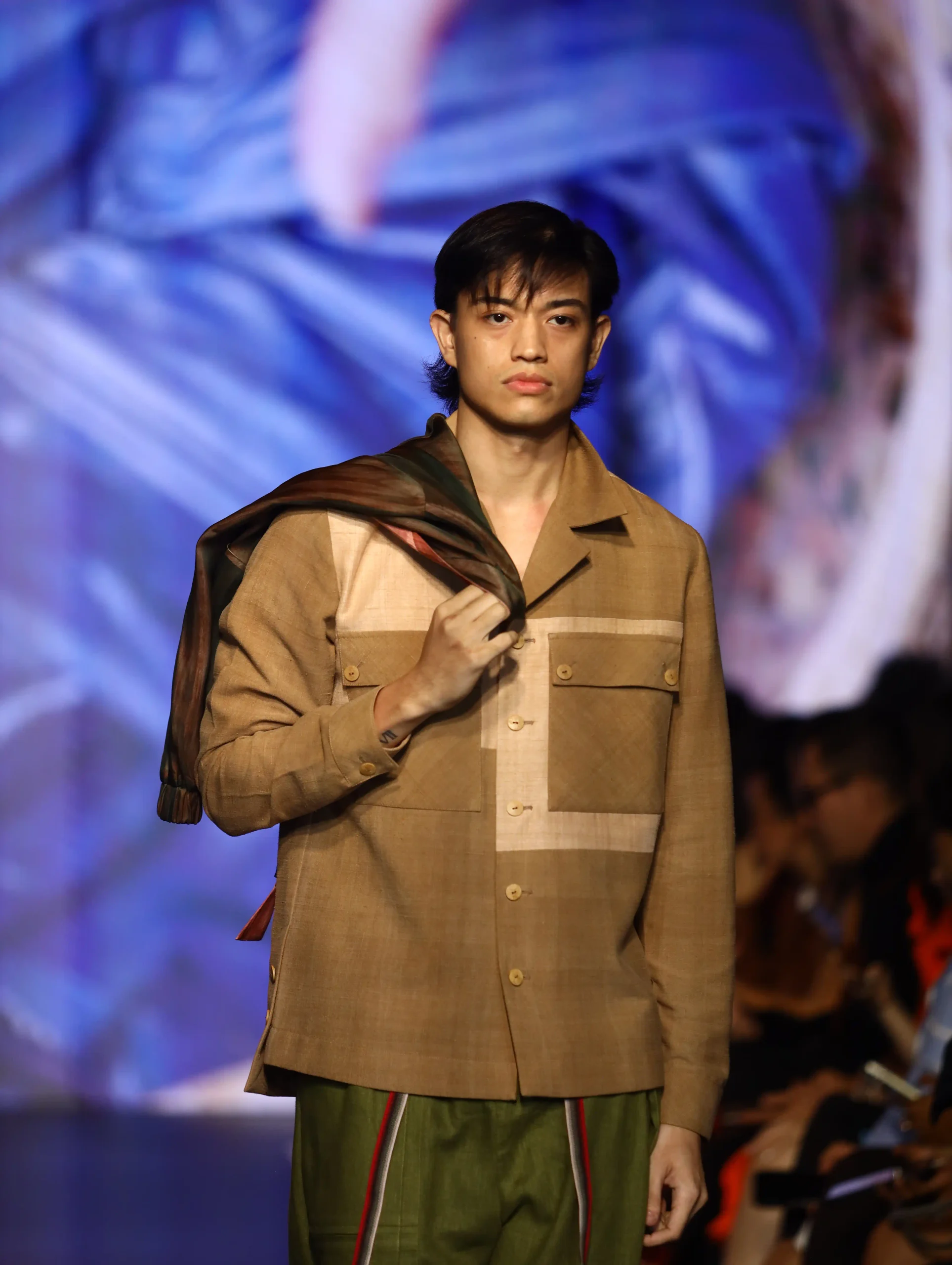
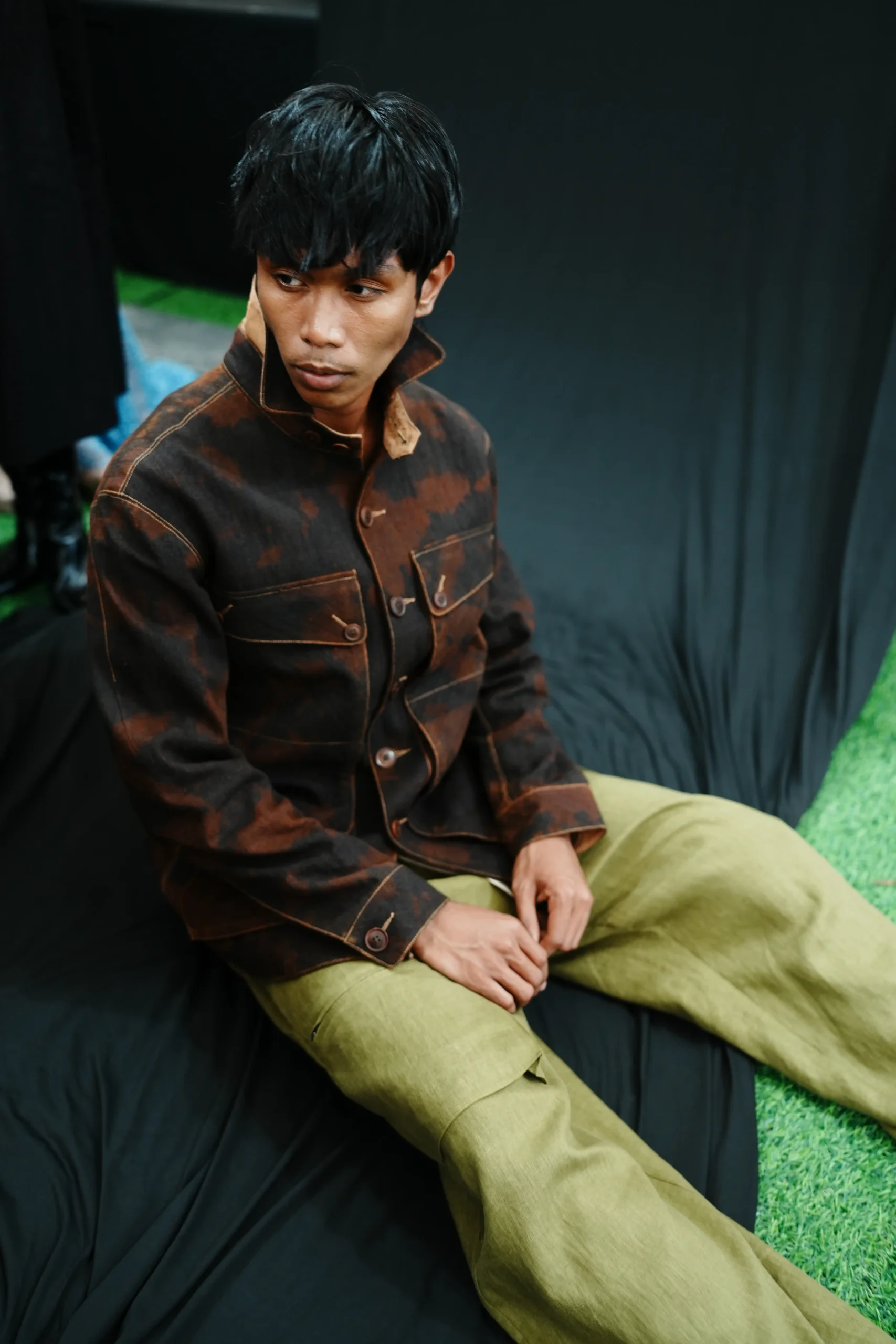
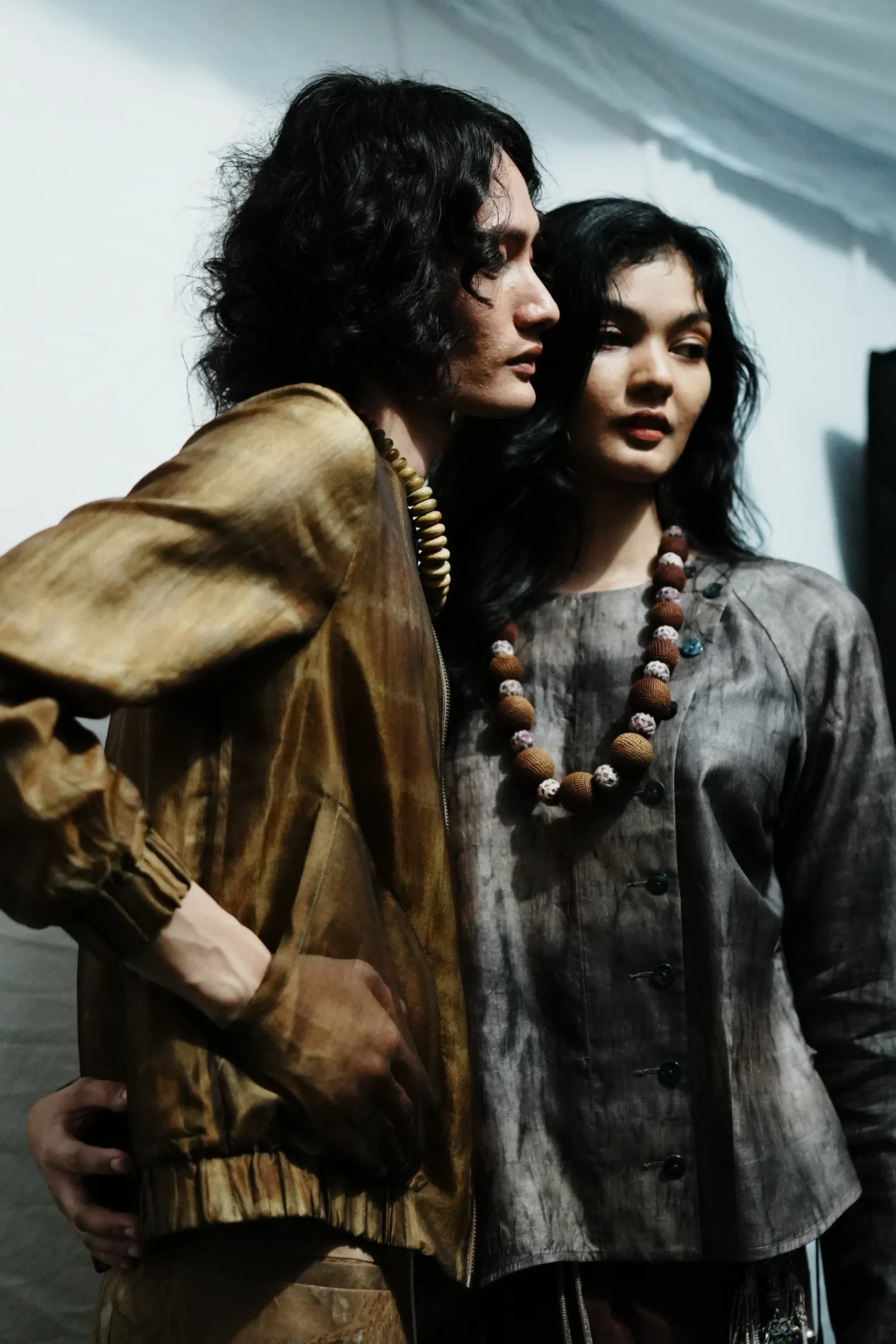
When Lifestyle Asia asked Vu Thao of KILOMET109 about the inspiration behind her collection, her answer was simple: the eight Indigenous groups she has worked with. Drawing from communities across North, Central, and South Vietnam, the Vietnamese label brought the country’s rich cultural heritage to the runway, with each piece reflecting the traditions and craftsmanship that inform its identity.
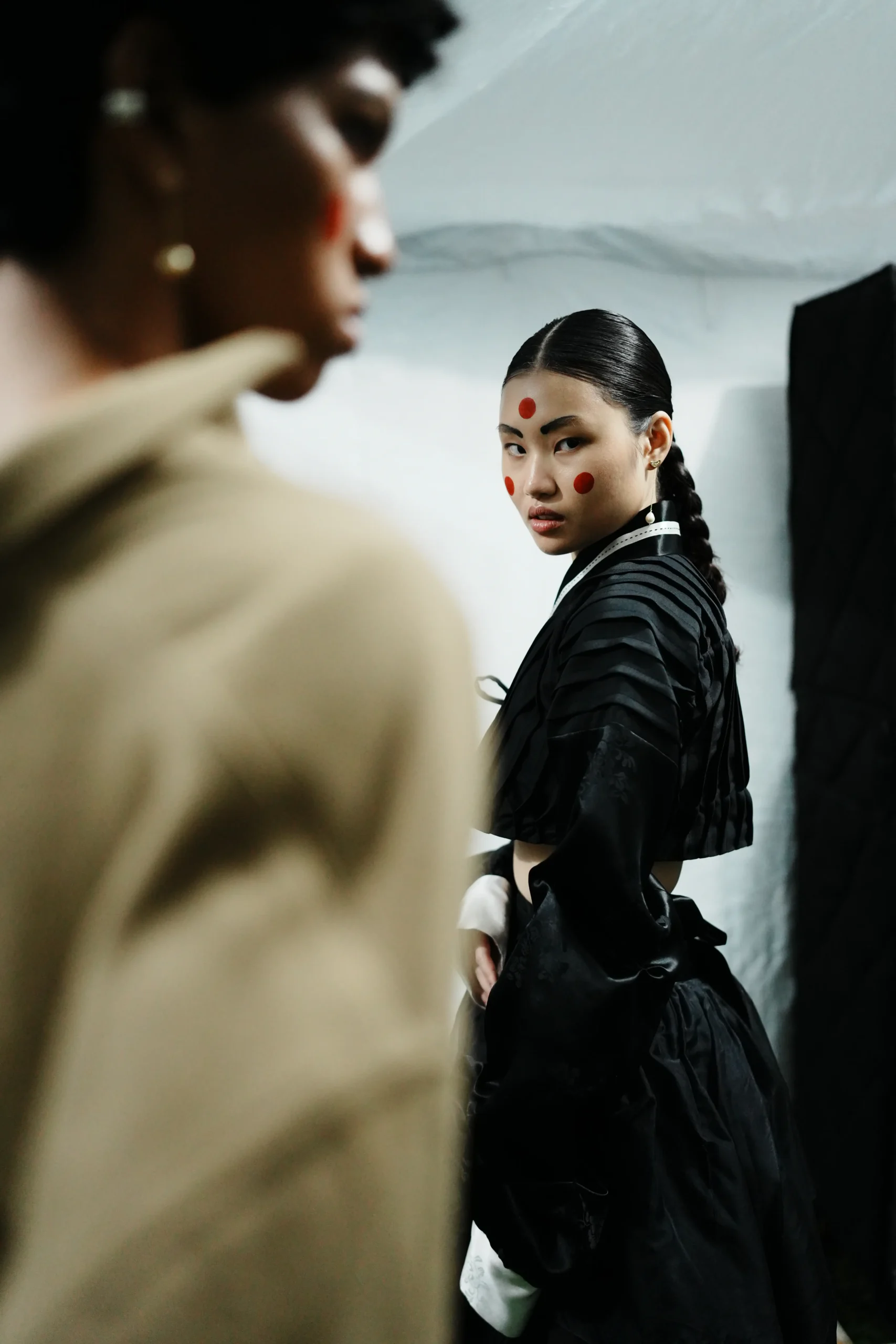
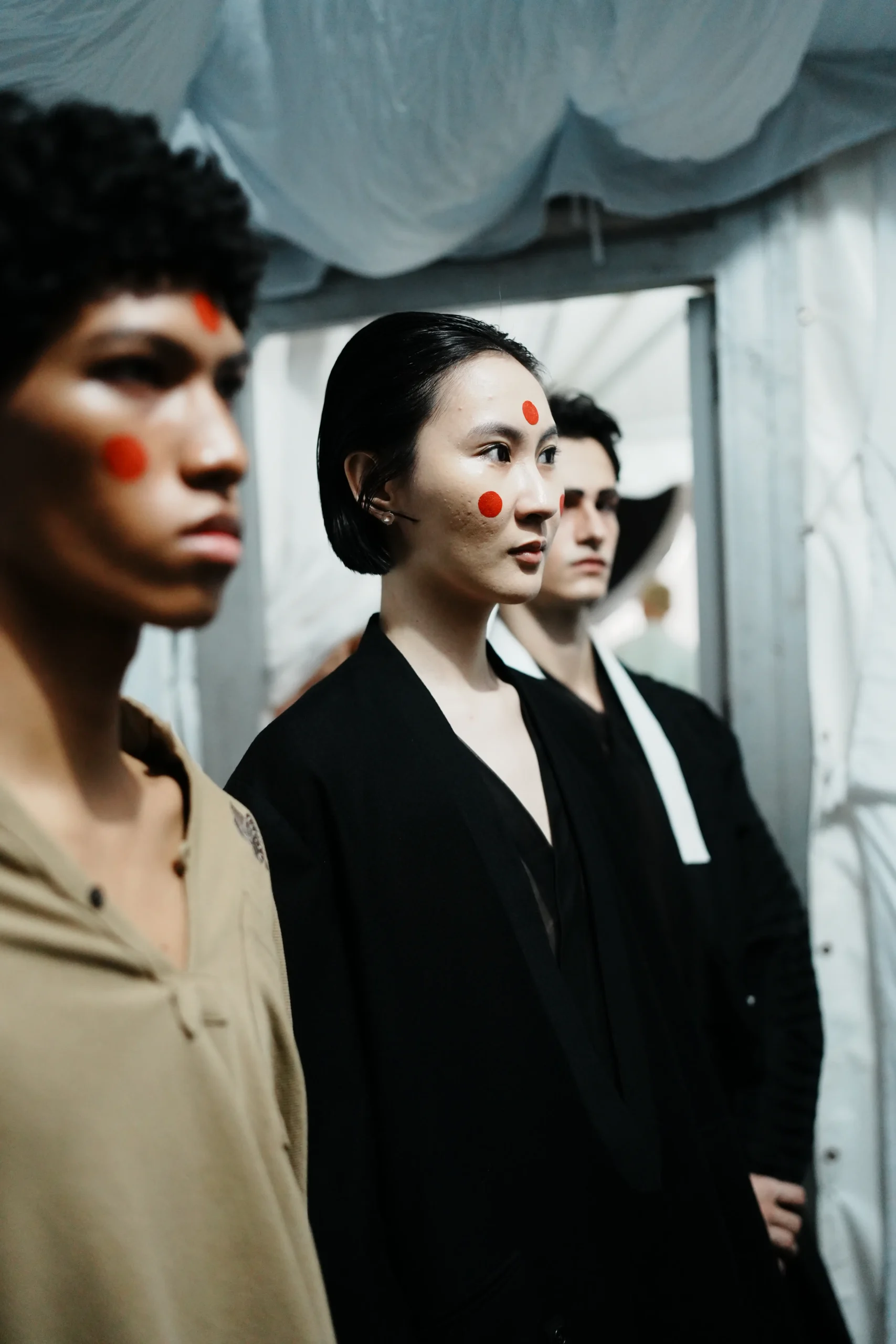
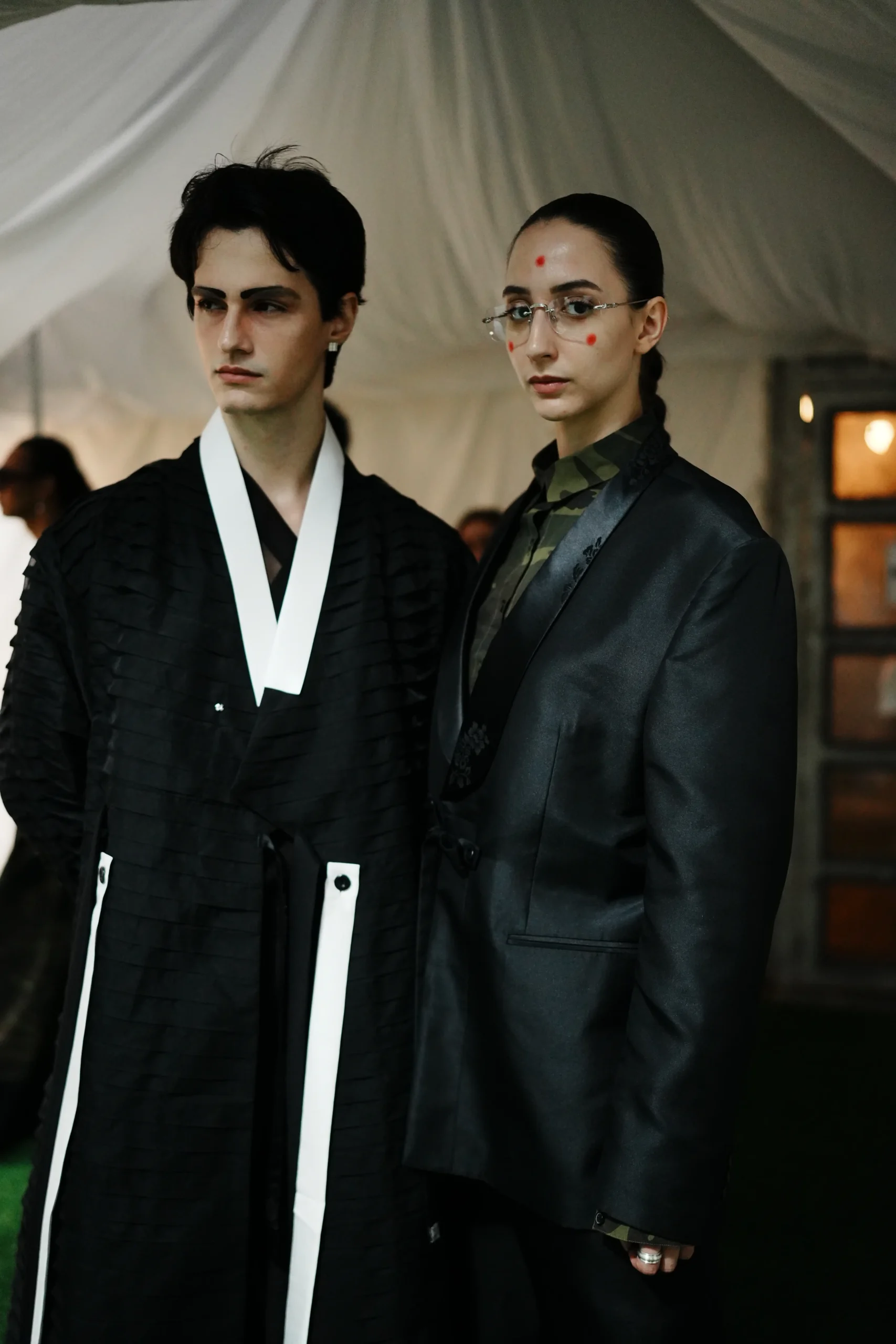
BAJUYO (South Korea)
The hanbok, South Korea’s traditional garment, is the heart of BAJUYO. Inspired by traditional Asian cultureCultureshared traditions, beliefs, values, customs, arts, and social practices that define the identity and way of life of a community, society, or nation.Go to Culture Glossary, particularly his Korean heritage, Darni Park brings the hanbok into a contemporary context through traditional Korean embroidery and silhouettes. Each piece celebrates the beauty of cultural craftsmanship while showing how tradition can transcend borders and speak to a global audience.