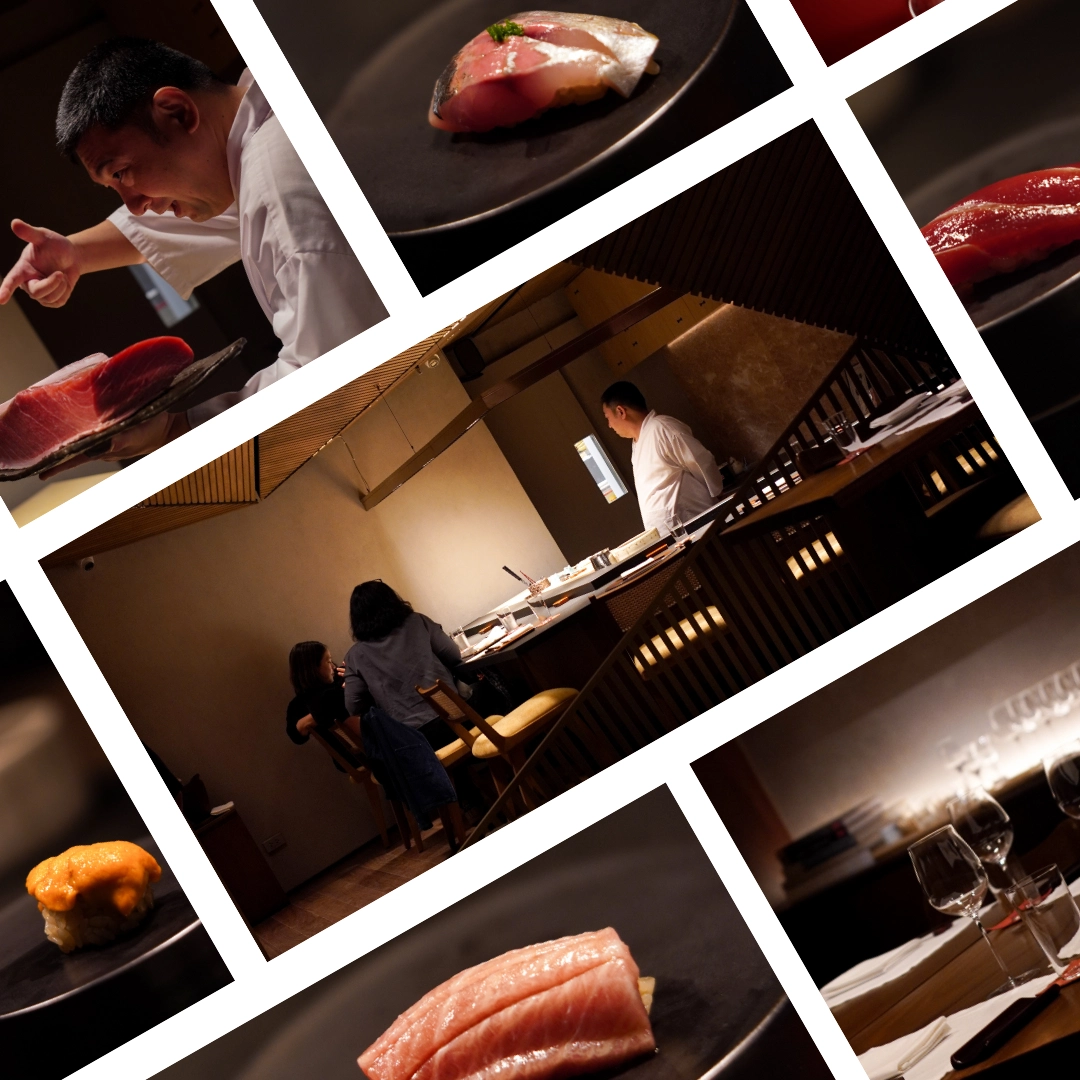
The new Japanese concept along Makati’s Arnaiz Avenue presents an omakase experience that shines through simple and balanced flavors, brought out with meticulous preparation and carefully sourced ingredients.
These days, there seems to be a culinary movement that favors the measured yet clear voice of simplicity over the boom of theatricality. Japanese cuisine has this ethos ingrained into its history and traditions, with servings of raw fish over pearlescent grains naturally letting the freshness of ingredients do the talking. Simplicity, however, should never be mistaken for ease. Without the right ingredients, careful preparation, and technical restraint, the entire meal is as good as marred. There’s little room to hide mistakes when every element is laid bare, which is why establishments that are capable of letting the most foundational elements of their dishes shine deserve recognition. This is the case with Makati’s newest Japanese dining concept, Hinoki.
READ ALSO: Saan Masarap?: We Ask Top Chefs Where They Eat Filipino Food
Inside The New Hinoki, Makati
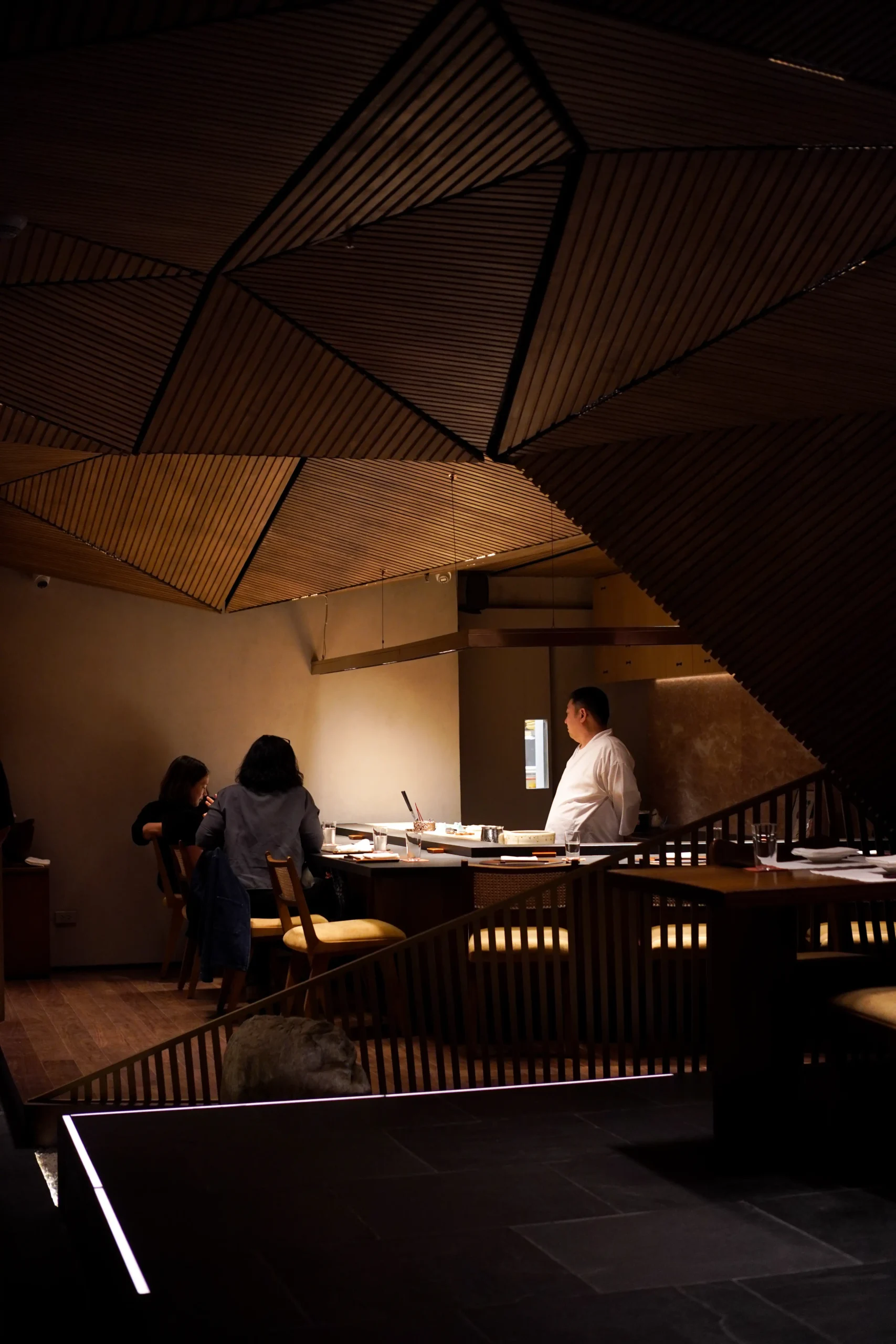
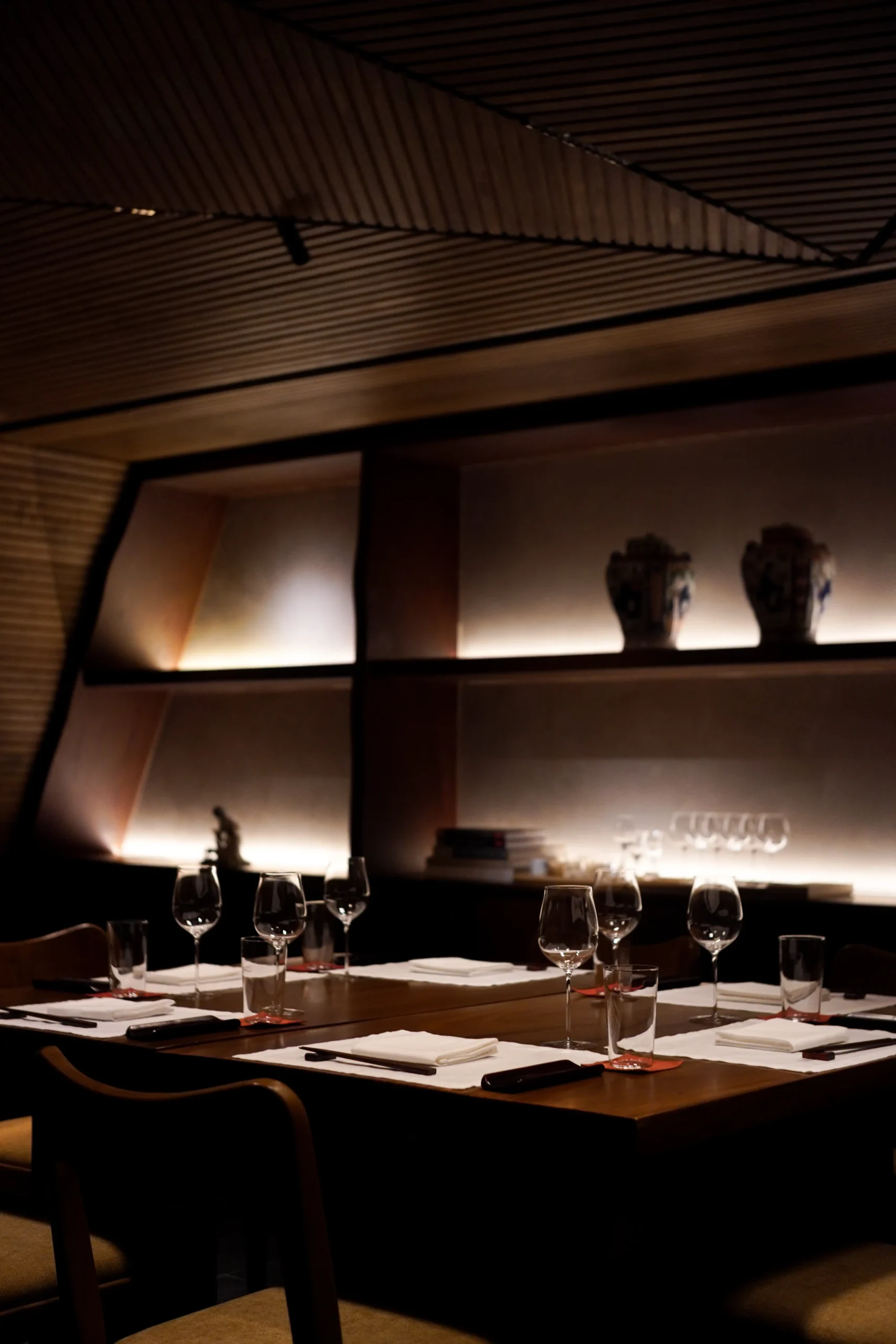
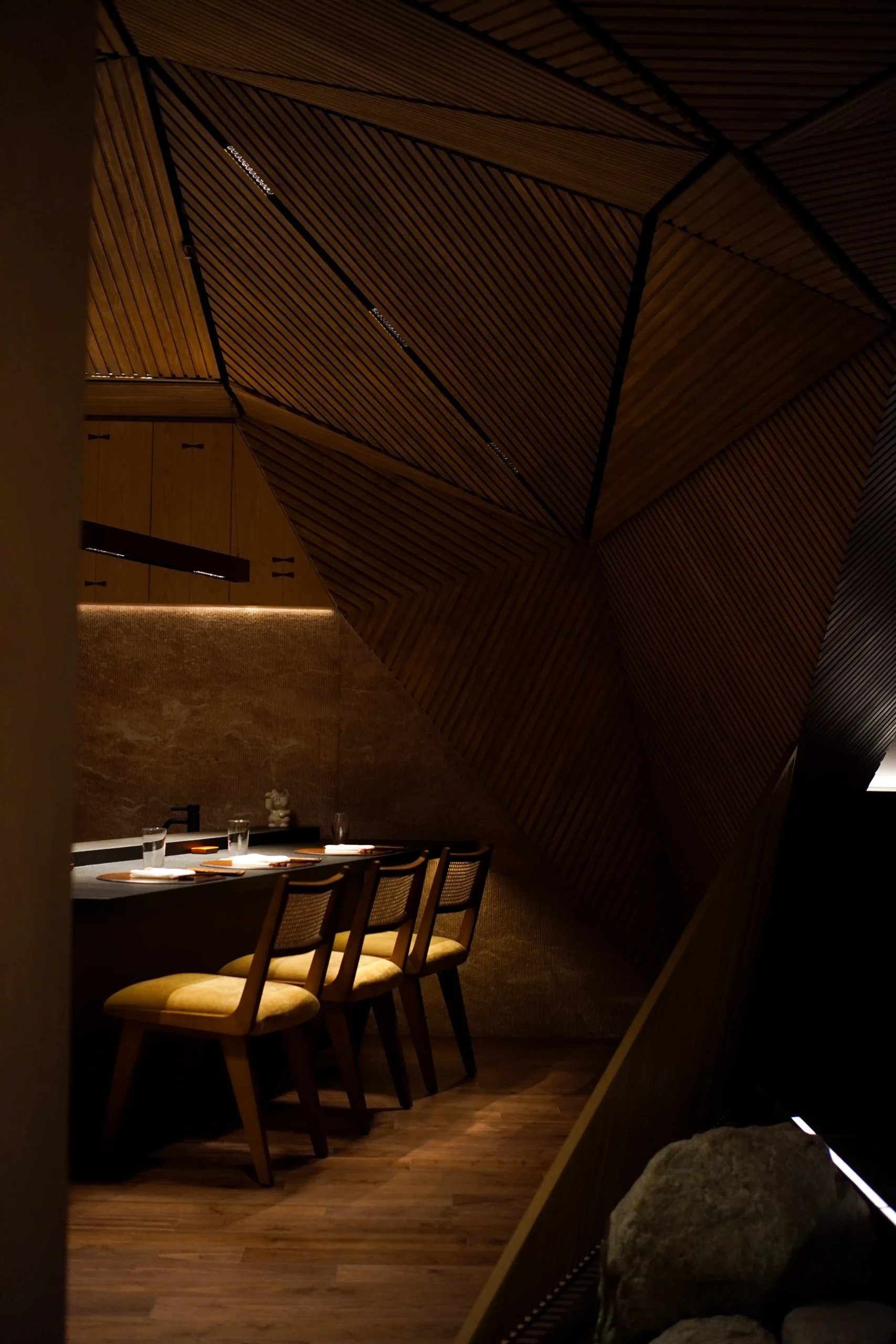
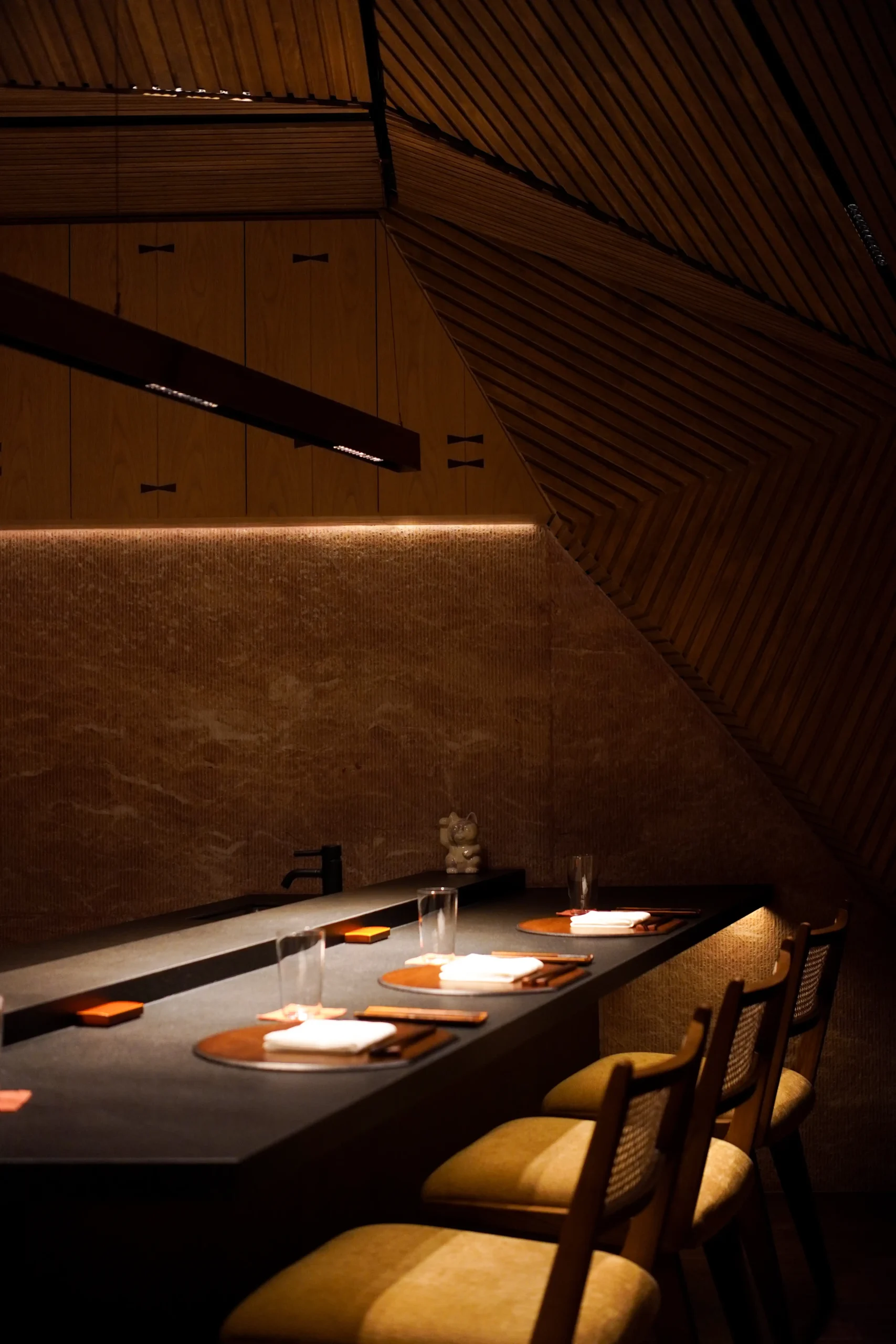
As soon as you enter the restaurant, its Japanese identity is unmistakably showcased through sleek, minimal interiors of wood and stone accents, paired with fixtures evoking the glow of paper lanterns—details that build up elegantly thanks to the work of design firm Studio Ong.
“We wanted an experience that wasn’t too traditional, but a little bit modern as well,” shares Hinoki co-owner Luis Recto with Lifestyle Asia. It’s intimate, but not crowded, divided into a main dining area and chef’s table or countertop, making its main offerings clear: an ala carte menu and an omakaseOmakaseJapanese for "I leave it up to you," a dining style in which guests entrust the chef to choose the meal, typically sushi, based on the day's freshest ingredients. OmakaseGo to Omakase Glossary experience, the latter of which comes in two menus: a smaller course of seafood and a larger one that includes beef dishes.
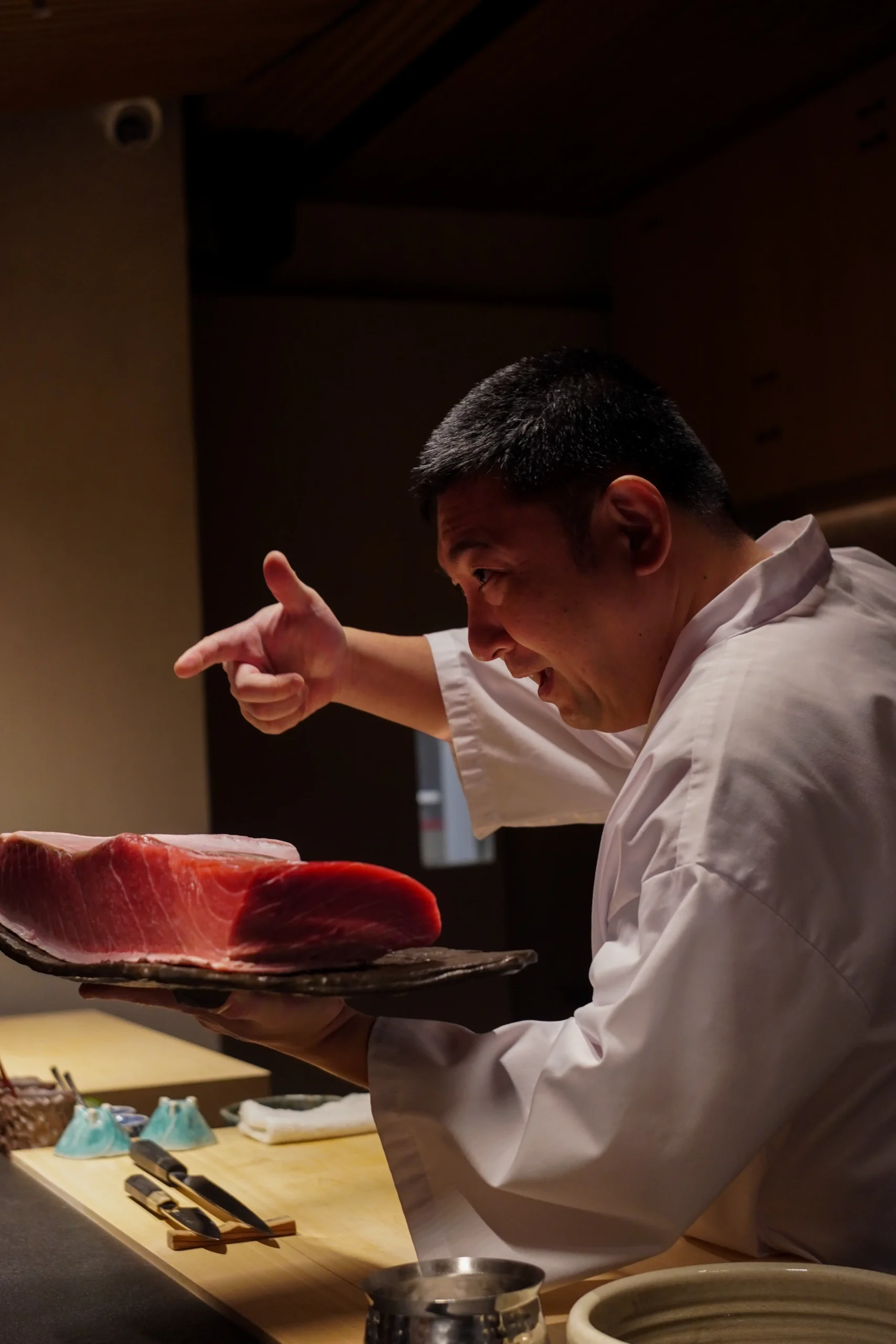
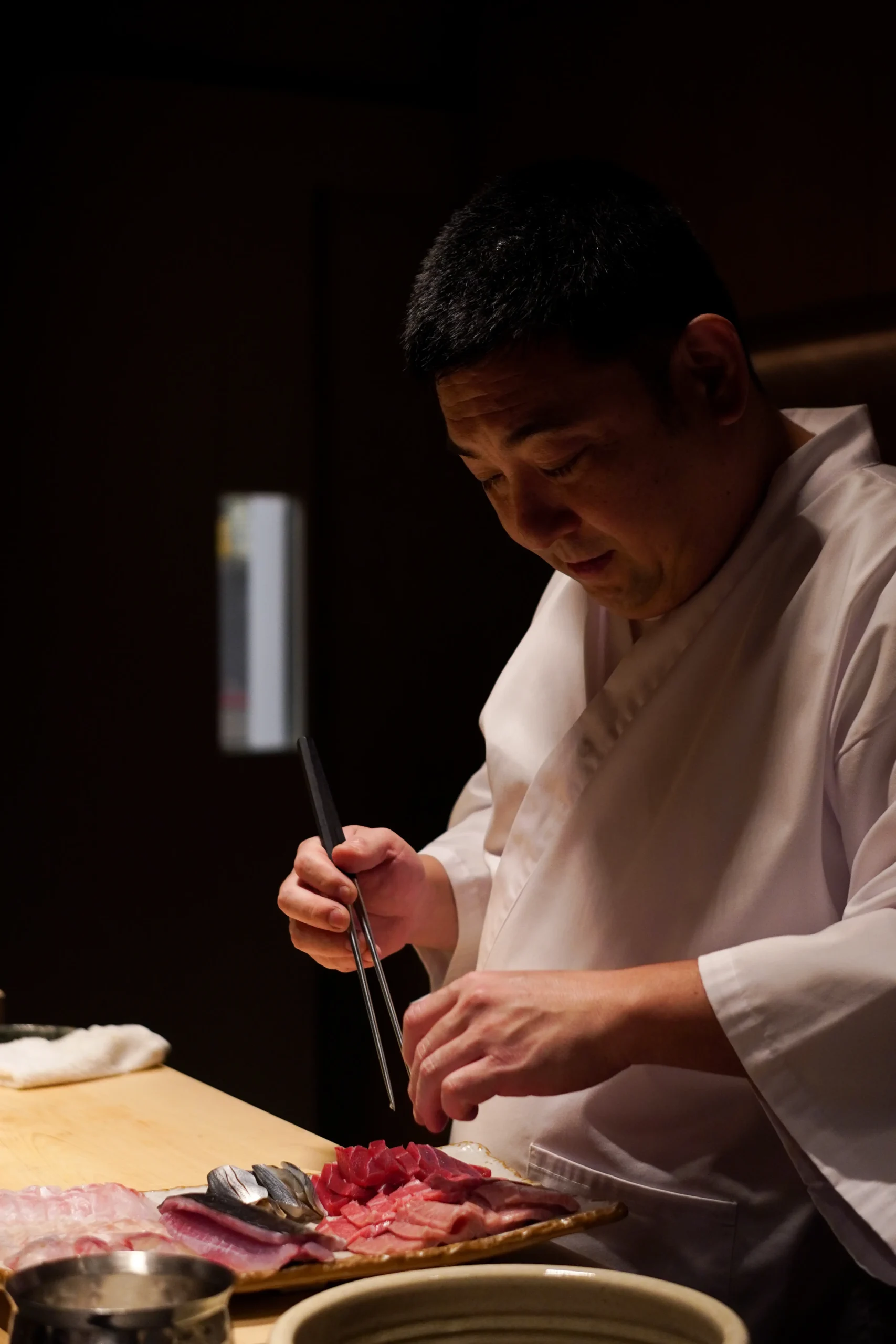
Lifestyle Asia had the opportunity of partaking in the full omakaseOmakaseJapanese for "I leave it up to you," a dining style in which guests entrust the chef to choose the meal, typically sushi, based on the day's freshest ingredients. OmakaseGo to Omakase Glossary experience, and it’s one that’s not to be missed if you’re searching for top tier ingredients handled with expert care under the hands of Chef Yusuke Hino, who has years of experience under his belt as the former master chef at Edsa Shangri-La’s Senju, and a chef at Dubai-based Japanese fine dining concept TakaHisa.
(An endearing detail: due to years of having lived in the Philippines, his Tagalog skills are worth witnessing yourself as he serves delicious food on the counter, something he admits may even be better than his English.)
The Omakase Experience
Since the omakase experience is entirely grounded on what the chef decides to serve on a particular day, which in itself will change based on the seasonality of the ingredients, your time at Hinoki’s countertop will likely be quite different from ours in flavor and what’s served. That said, what ties it all together is a steadfast commitment to the quality of what’s served—there’s no smoke and mirrors here.
Chef Hino himself says that he wants to give diners as much an authentic Japanese dining experience as possible, taking cues from tradition for the most part, though he still manages to surprise and delight with inventive inflections of his own (more on that later).
Seafood, of course, takes center stage in the form of generous chunks of nigiri. Wagyu is the main meat of choice in beef dishes, more specifically Kagoshima Wagyu with its perfectly even marbleization that delivers a buttery flavor and texture without leaving a cloying aftertaste.
What Was On The Chef’s Table?
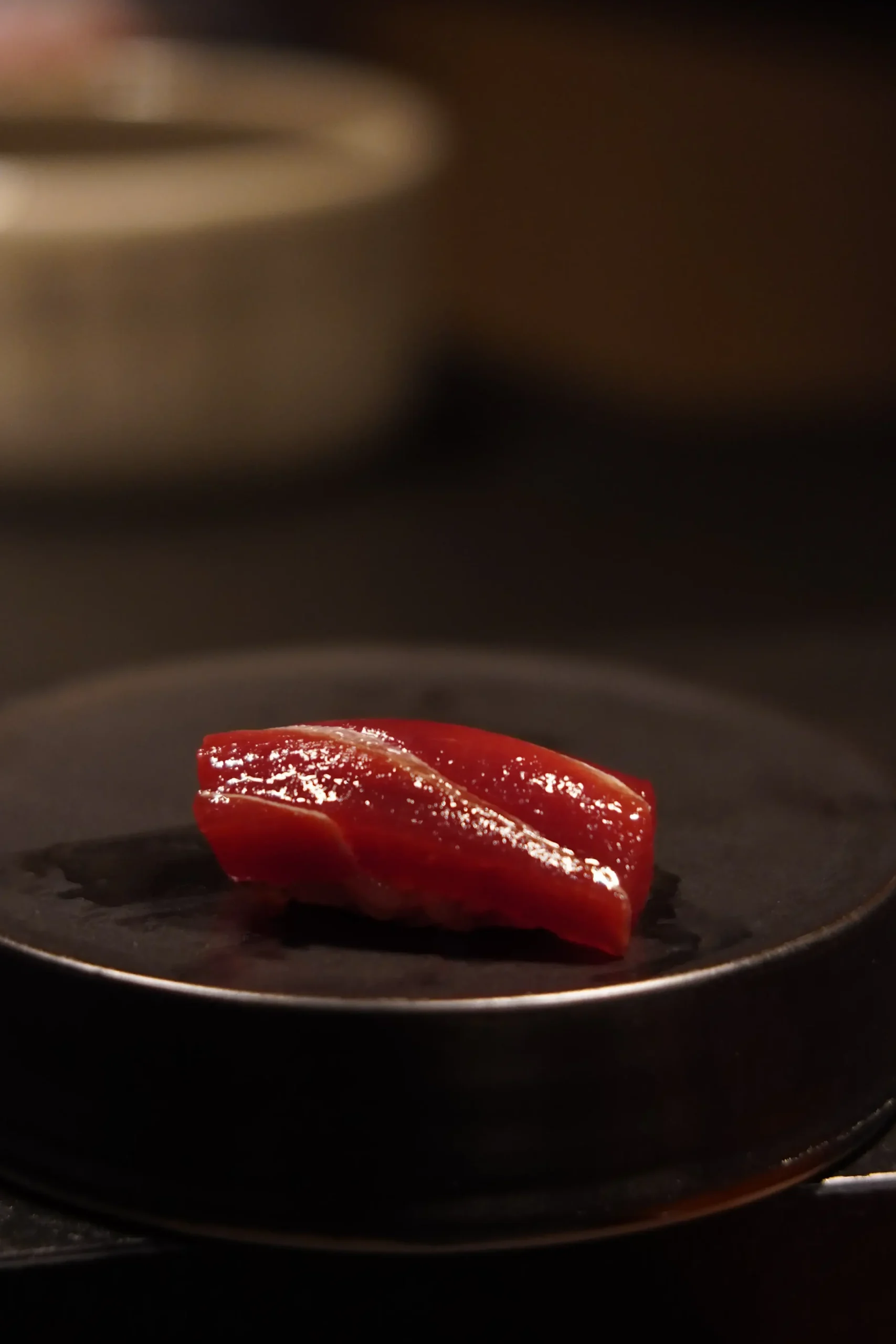
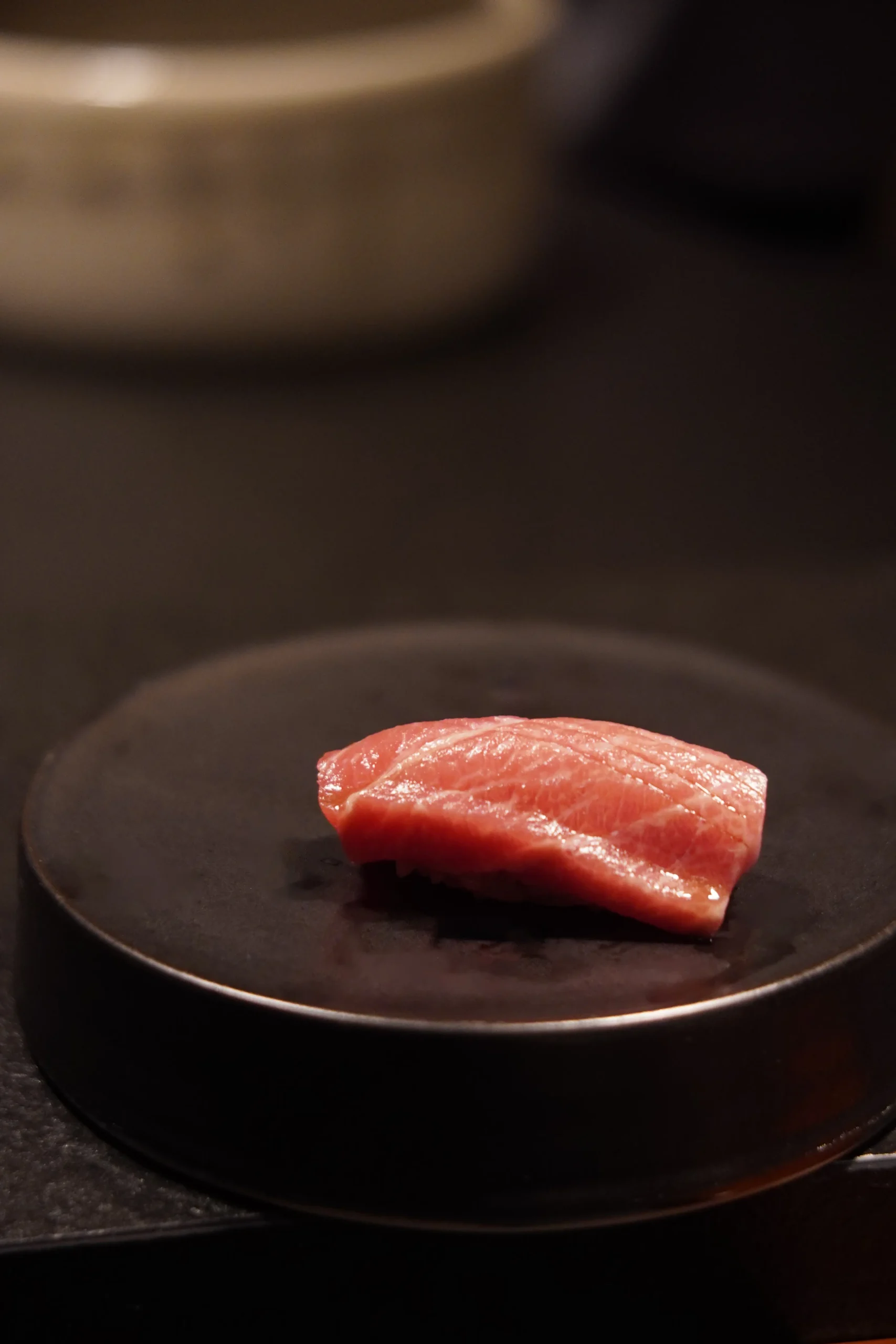
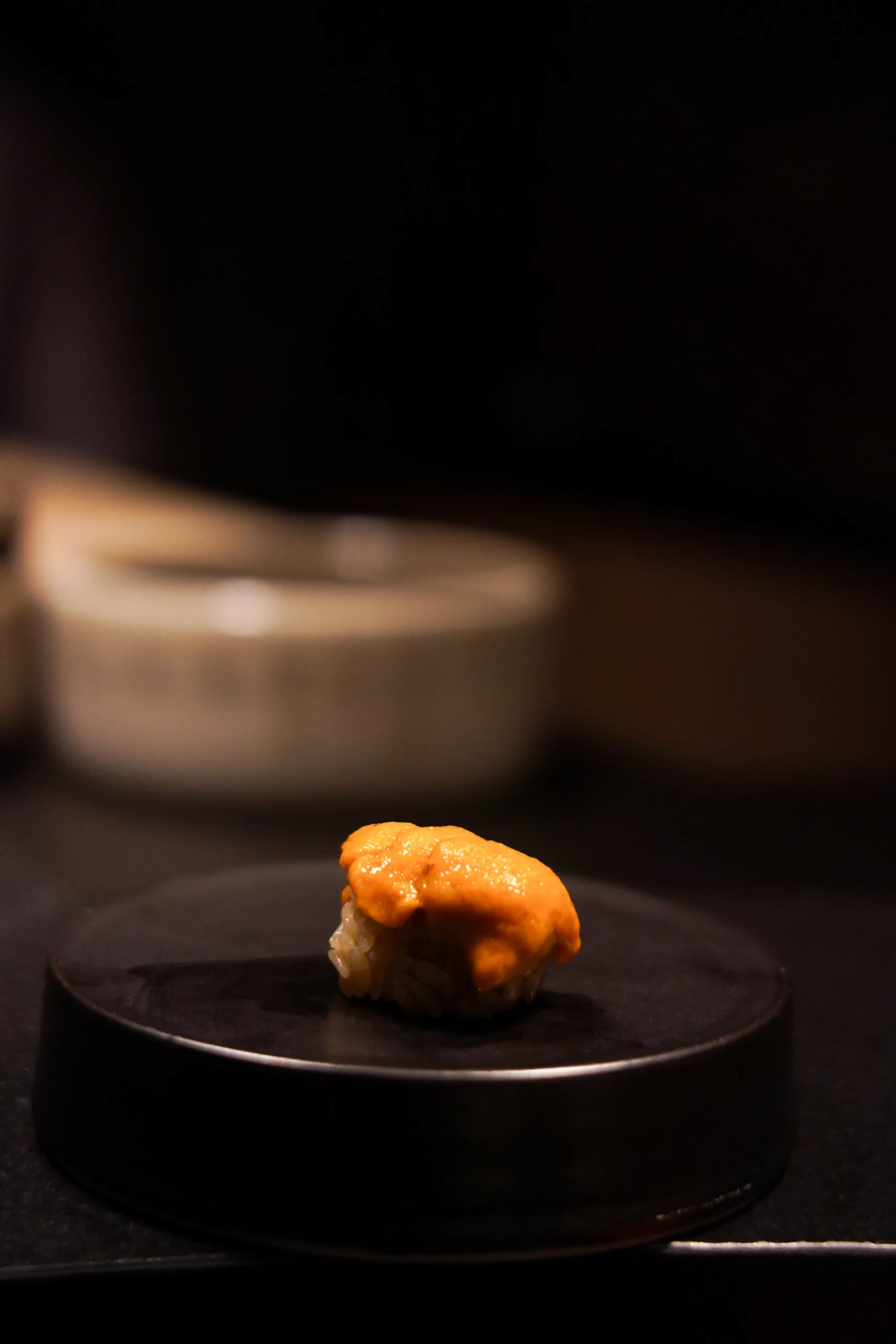
The star of our omakaseOmakaseJapanese for "I leave it up to you," a dining style in which guests entrust the chef to choose the meal, typically sushi, based on the day's freshest ingredients. OmakaseGo to Omakase Glossary course was the nigiri selection made up of fresh seafood from Japan, including the akami (lean), chutoro (medium fatty), and otoro (extra fatty) parts of a large slab of bluefin tuna—a delicacy that’s hard to come by these days, especially at the caliber Hinoki presents. Uni is also imported from Japan’s Hokkaido region, its bright orange shade and suppleness an indicator of just how immaculately sweet and fresh it is.
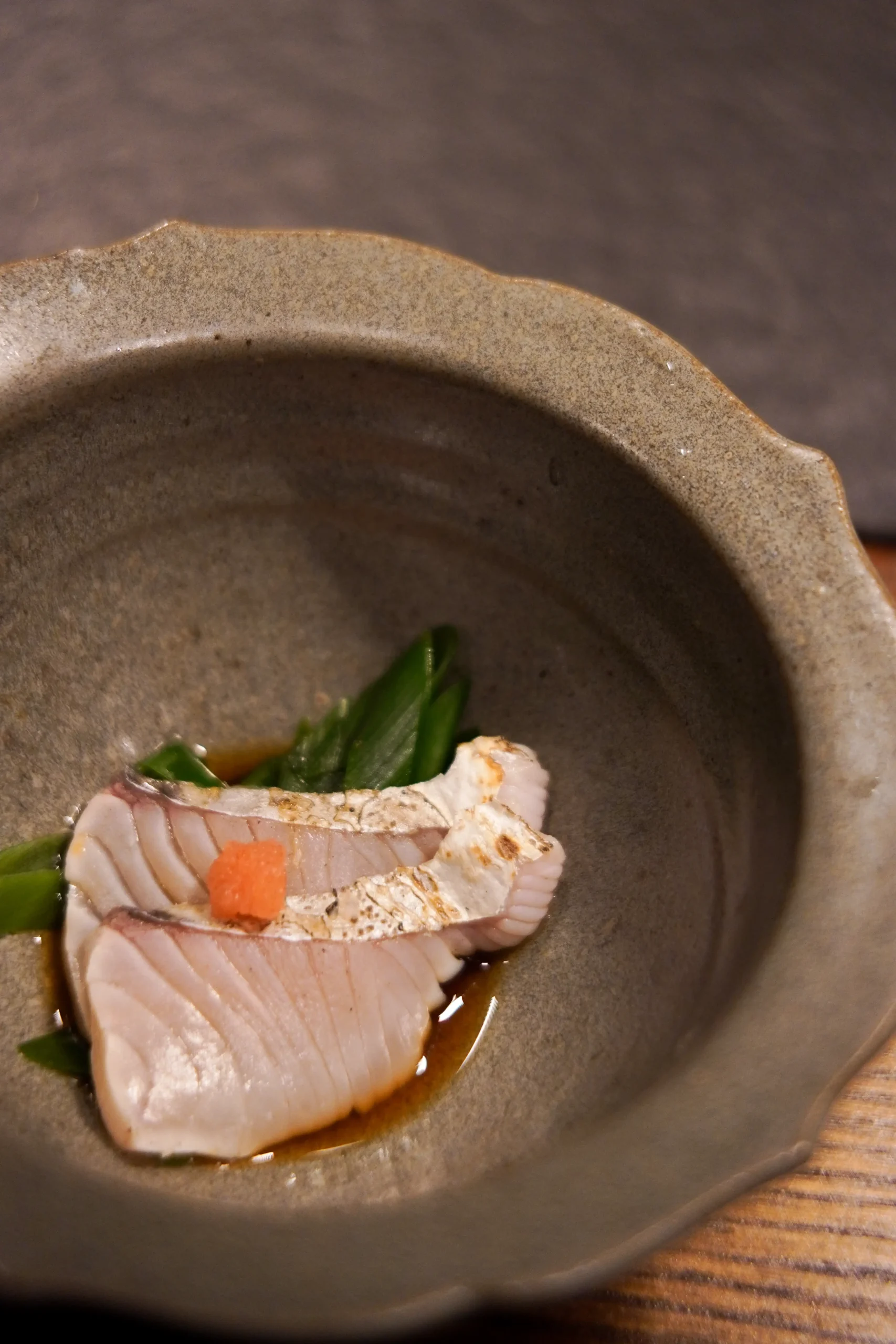
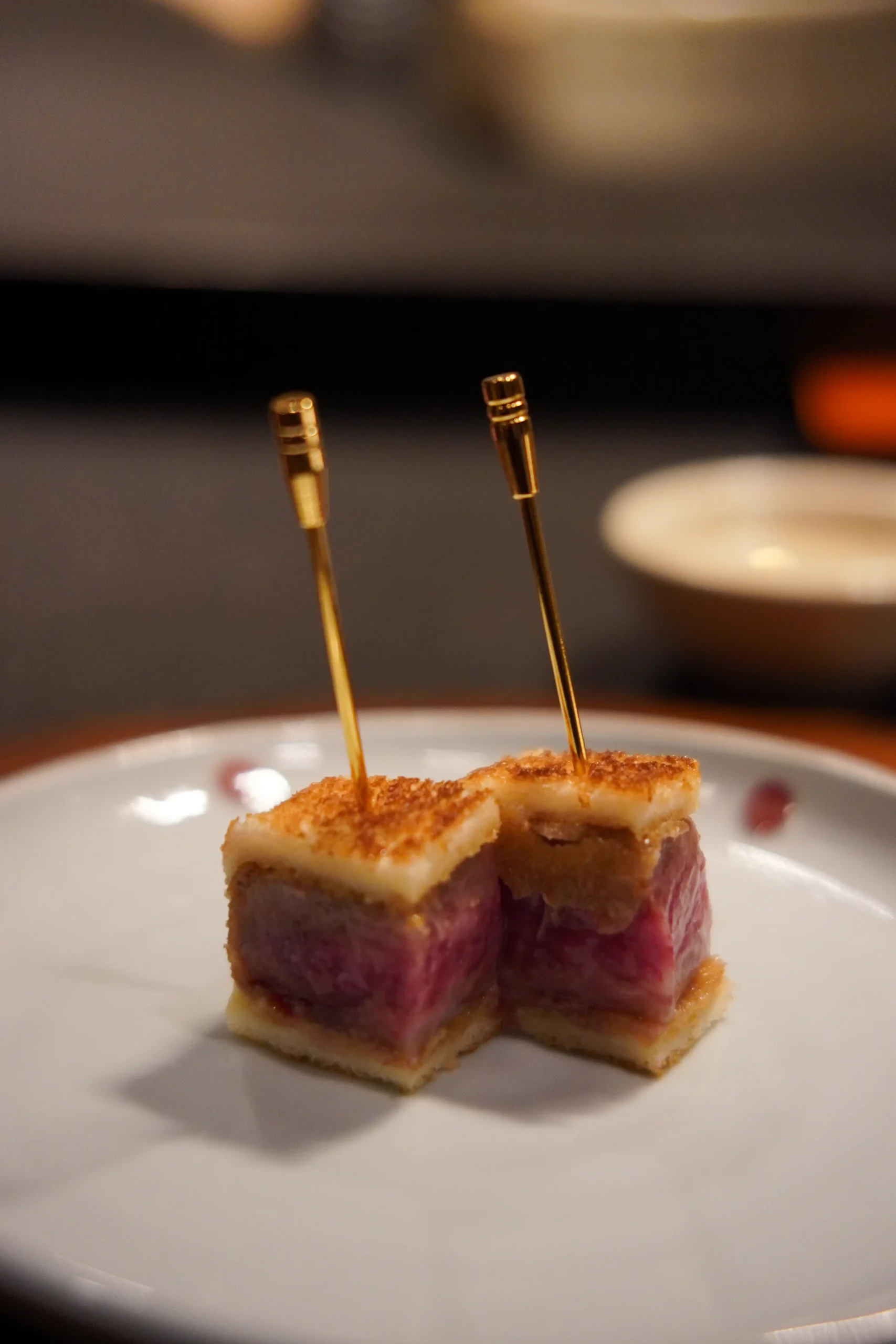
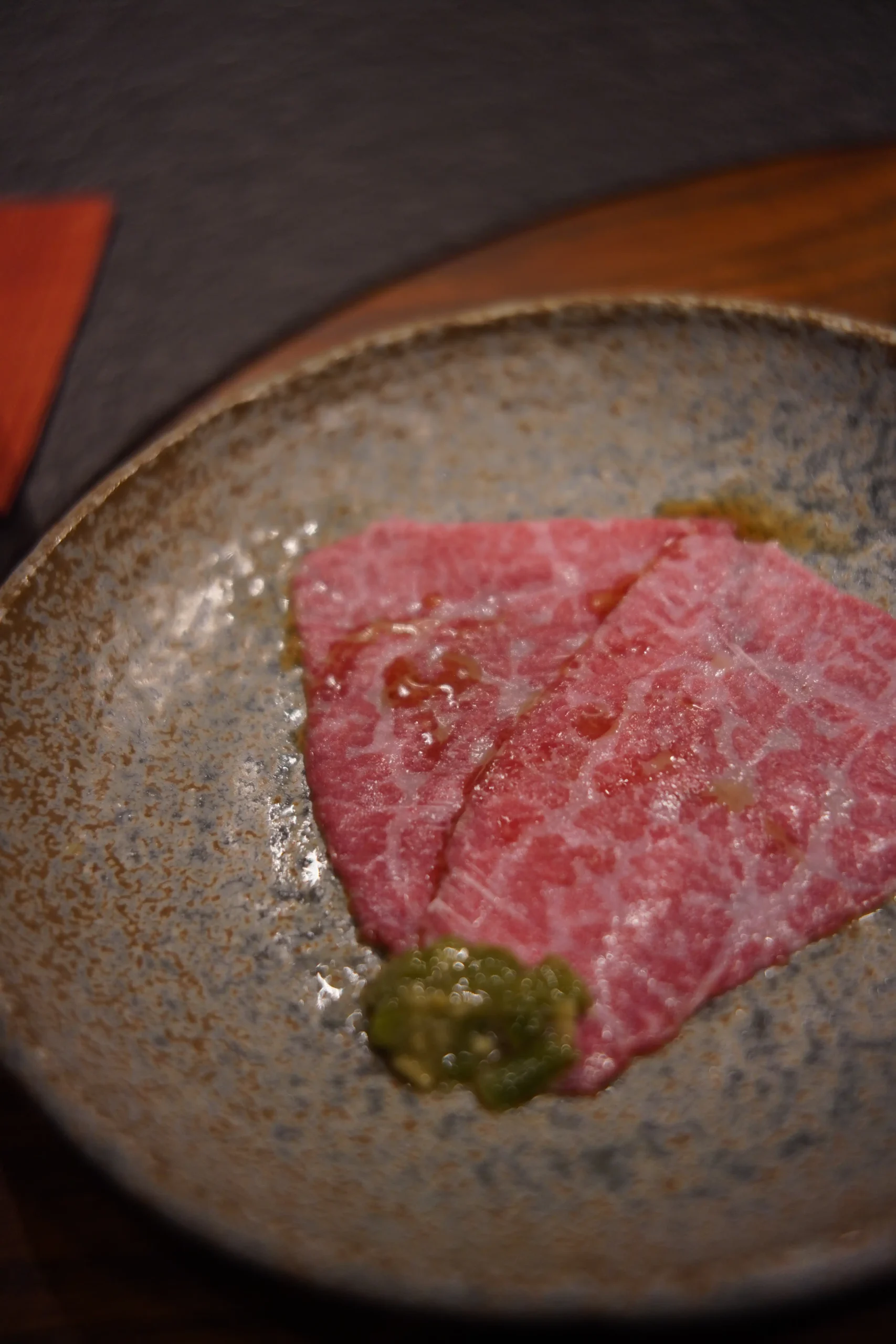
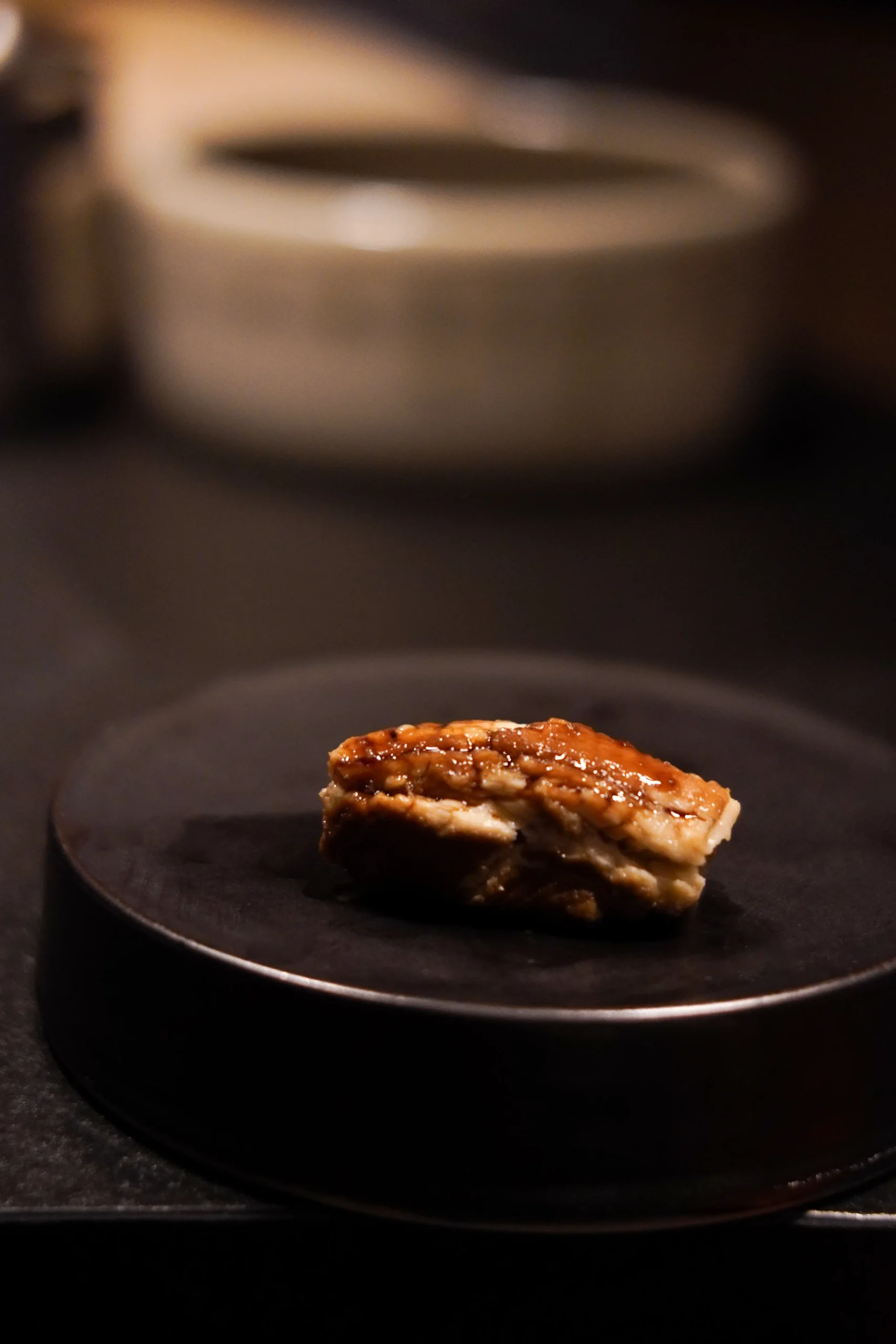
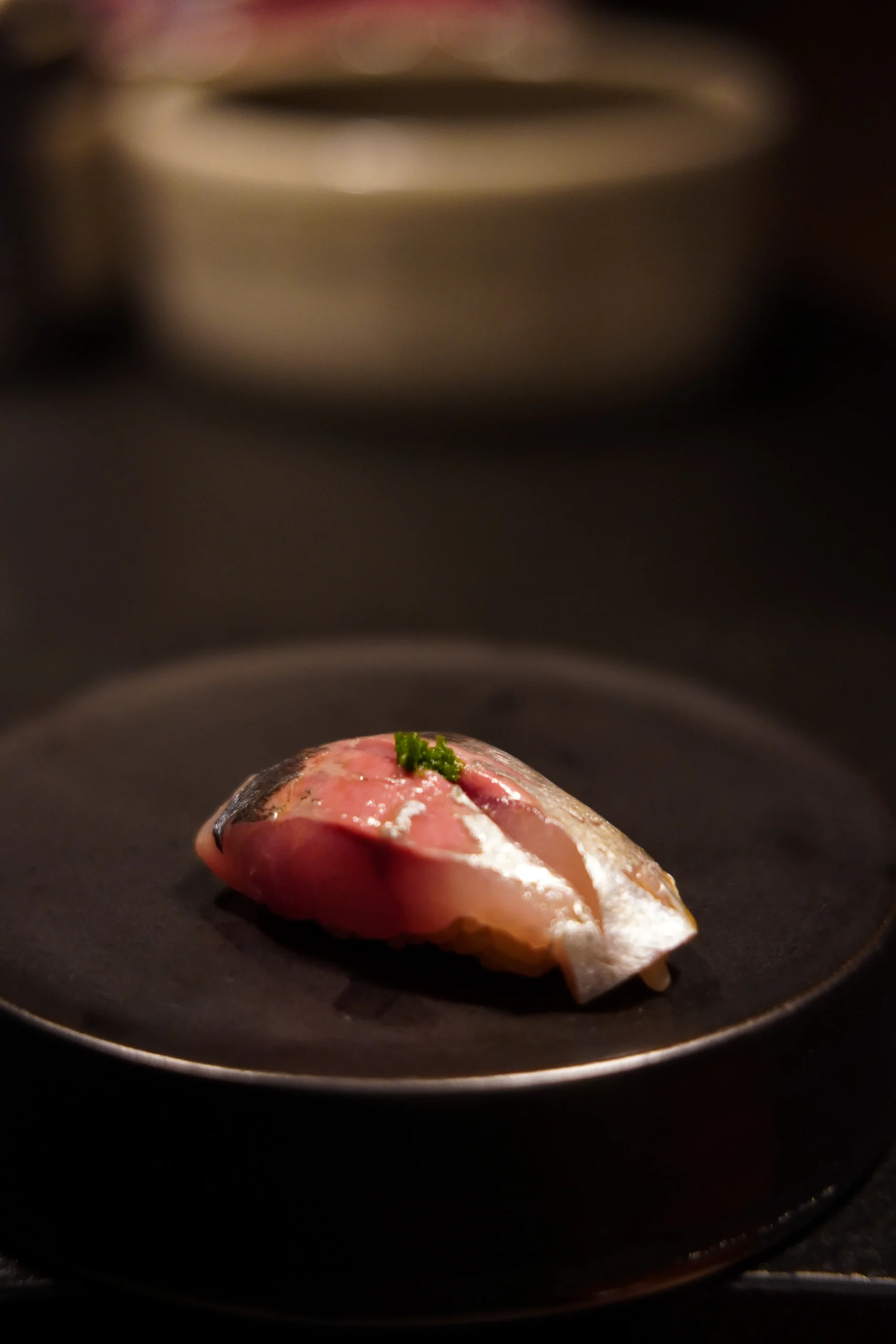
Chef Hino also presented his treatments on other types of fish, including horse mackerel with a dash of spring onion paste to lift its umami, and a tilefish brightened with a zesty-peppery accent of sudachi—a type of citrus akin to our calamansiCalamansiA small, tart Philippine citrus fruit with a flavor between lime and mandarin, used in dipping sauces, marinades, drinks, and desserts. Calamansi brings bright acidity to Filipino cooking, and bartendersGo to Calamansi Glossary and native to the Tokushima prefecture of Japan. A tender sea eel added some variety to the selection, served a little warm and with a slightly sweet glaze. Beef had its day too, one dish of thinly-sliced raw Wagyu treated with a dab of fresh wasabi and soy sauce, another featuring thick cubes wedged between milkbread katsu-sando style.
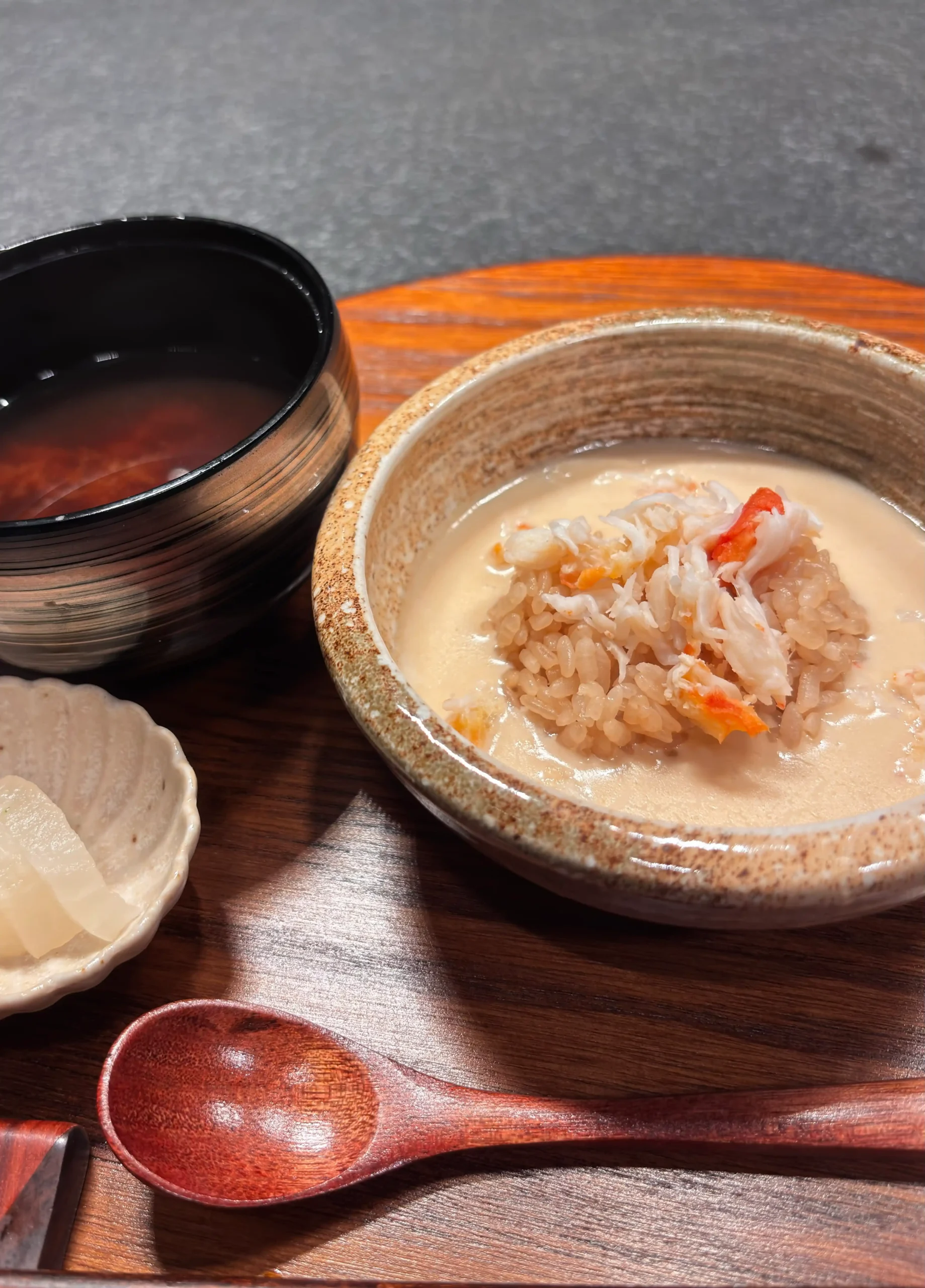
While dishes that let raw ingredients shine in the most literal sense were memorable, Chef Hino still presented options that infused premium ingredients in more subtle ways. Chief among them being one of his signatures, presented as a main dish option, the Seafood Risotto: a mixture of deep yet lightly seasoned cream sauce that uses sushi rice as contrast and complement, succulent chunks of king crab crowning it with a delicate flavor.
Even the gari or ginger side dish was fantastic: made in-house using local ginger, it undergoes a careful process to achieve its almost honey-like, mildly floral zing that doesn’t shock the tongue as much as those neon pink, pre-packed ginger pickles do.
Desserts aren’t necessarily the main attraction in an omakaseOmakaseJapanese for "I leave it up to you," a dining style in which guests entrust the chef to choose the meal, typically sushi, based on the day's freshest ingredients. OmakaseGo to Omakase Glossary, but the matcha tiramisu deserves a mention, capping off the meal with a pleasant sweetness and perfect coffee-soaked layers balanced with the earthiness of premium matcha.
Somewhere in the middle of the meal, Chef Hino tells me that it takes him four to five hours to prepare an omakaseOmakaseJapanese for "I leave it up to you," a dining style in which guests entrust the chef to choose the meal, typically sushi, based on the day's freshest ingredients. OmakaseGo to Omakase Glossary. A person who sees the sheer simplicity of what he assembles before them, and the quiet calm in which he does so, might trick themselves into thinking that duration is an exaggeration. But again, we go back to what I think makes Hinoki a place to visit if you’re craving classic Japanese fare done right. There are no fancy bells and whistles—just skill and the light, tasteful touches of a chef who not only deeply understands the flavors of his homeland, but also the truth that there’s no need to add or exaggerate when the foundations are perfect.
Explore more of the new Hinoki, and its omakaseOmakaseJapanese for "I leave it up to you," a dining style in which guests entrust the chef to choose the meal, typically sushi, based on the day's freshest ingredients. OmakaseGo to Omakase Glossary experience, below.
Hinoki is located at the Ground Floor of Keyland Arnaiz South, 851 Antonio Arnaiz Ave, Makati. For more information and reservations, send a message on Instagram @hinoki.mnl or contact 09176507417.
Photography by Klaudeth Silos (unless specified)
Frequently Asked Questions
Hinoki offers both an à la carte menu and an omakase experience. Guests may choose between a shorter seafood-focused omakase or a more extensive course that also includes premium Wagyu beef dishes, with every menu guided by seasonal ingredients and Chef Yusuke Hino’s daily selections.
Hinoki’s omakase is led by Chef Yusuke Hino, formerly the master chef of Senju at Edsa Shangri-La and a chef at Dubai-based Japanese fine dining restaurant TakaHisa. Drawing from years of experience, he focuses on presenting authentic Japanese cuisine while introducing subtle, contemporary touches of his own.
Because the omakase changes according to seasonality, no two experiences are exactly alike. Guests can expect premium Japanese seafood, including bluefin tuna and Hokkaido uni, alongside Kagoshima Wagyu beef and carefully sourced ingredients that showcase the freshness and balance at the heart of Japanese cuisine.
Among the standout offerings are Chef Hino’s generous nigiri selection, Seafood Risotto made with sushi rice and king crab, sukiyaki-style Kagoshima Wagyu, house-made gari prepared from local ginger, and a matcha tiramisu that concludes the omakase on a balanced, subtly sweet note.
Hinoki approaches Japanese dining through simplicity, meticulous preparation, and carefully sourced ingredients rather than theatrical presentation. From its understated interiors to its omakase experience, the restaurant focuses on allowing the quality of its ingredients and the precision of its technique to speak for themselves.