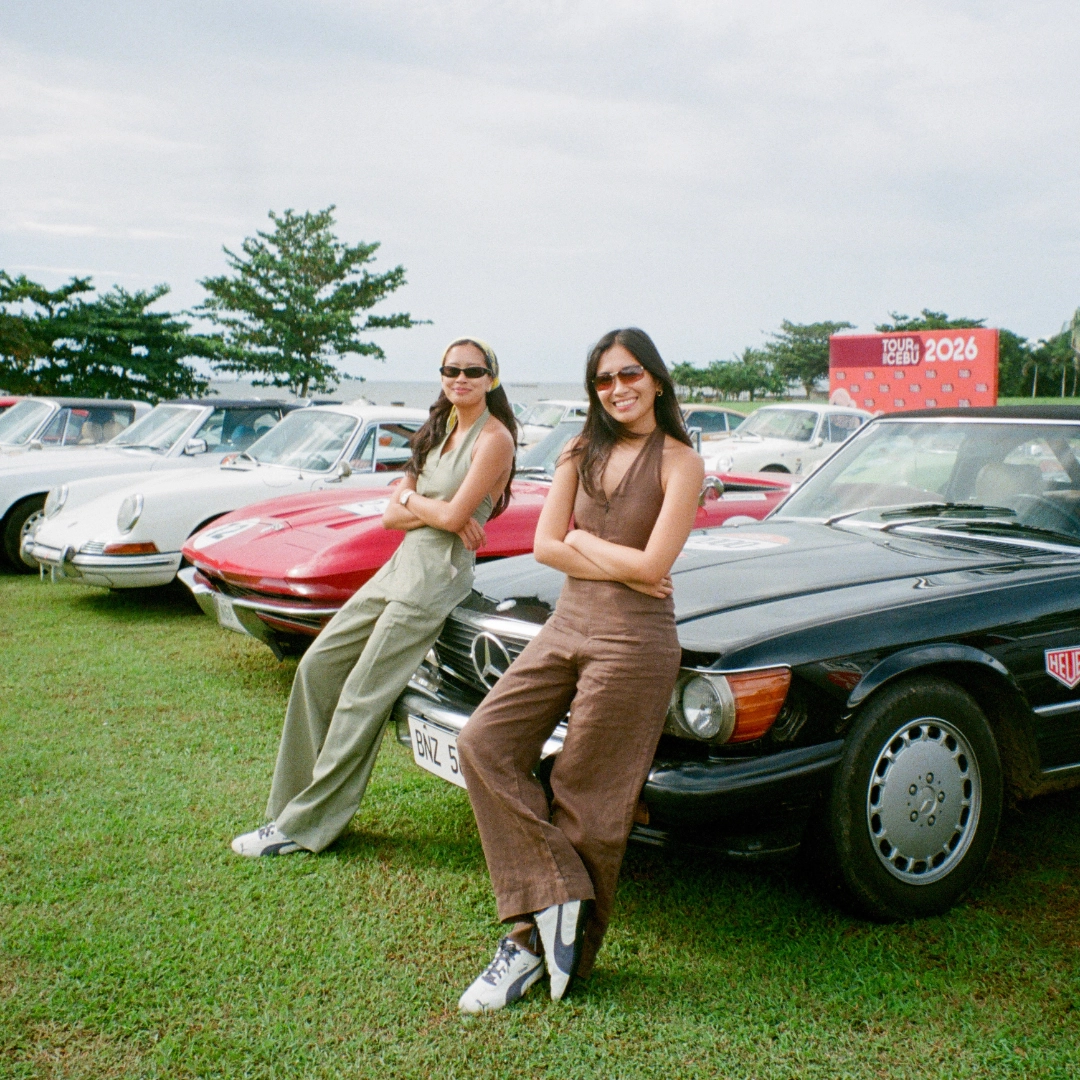
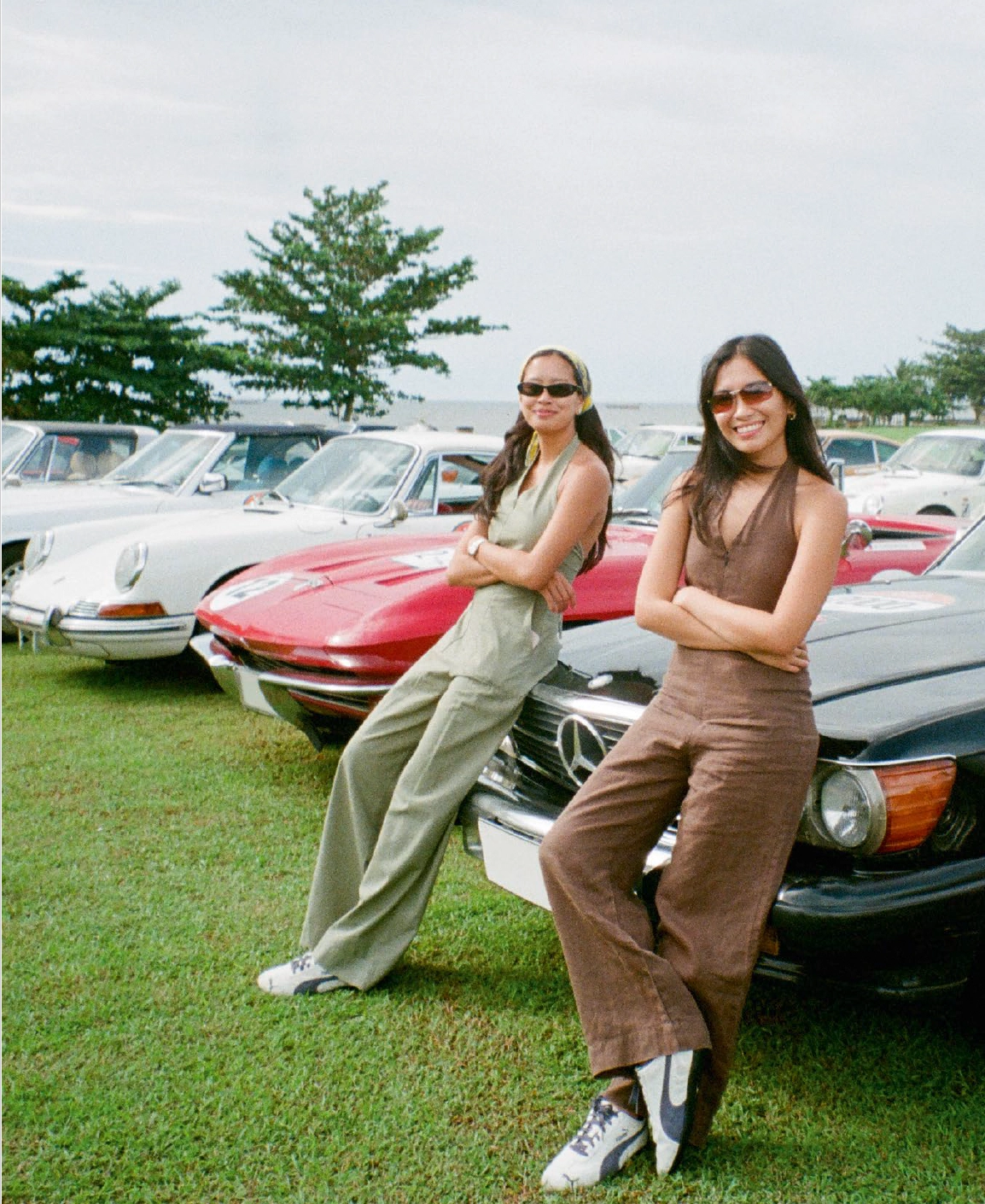
In a 1986 Mercedes-Benz 560SL, my navigator and I joined one of the country’s premier car rallies as the only all-female team. And while Tour de Cebu can get competitive, we chose to simply enjoy the ride.
It was milling season in Negros Occidental when we took to the road for Tour de Cebu. During this period, harvested sugarcane gets hauled to the mills; this time around, the scene looked a little different. For three days, lumbering trucks shared the roads with over 40 vintageVintageIn wine, a vintage is the year in which the grapes were harvested, an indicator of the growing season's weather and its influence on quality. Collectors study vintages closely, sinceGo to Vintage Glossary cars that overtook them one by one on the way to completing a 1,000-kilometer drive.
The 560SL I was driving sat low to the ground. From the driver’s seat, the trucks towered over me. As I zoomed past them, I clung to one piece of advice the Tour de Cebu veterans gave me: “Don’t be afraid to use your horn.” By the third day, laying on the horn became second nature.
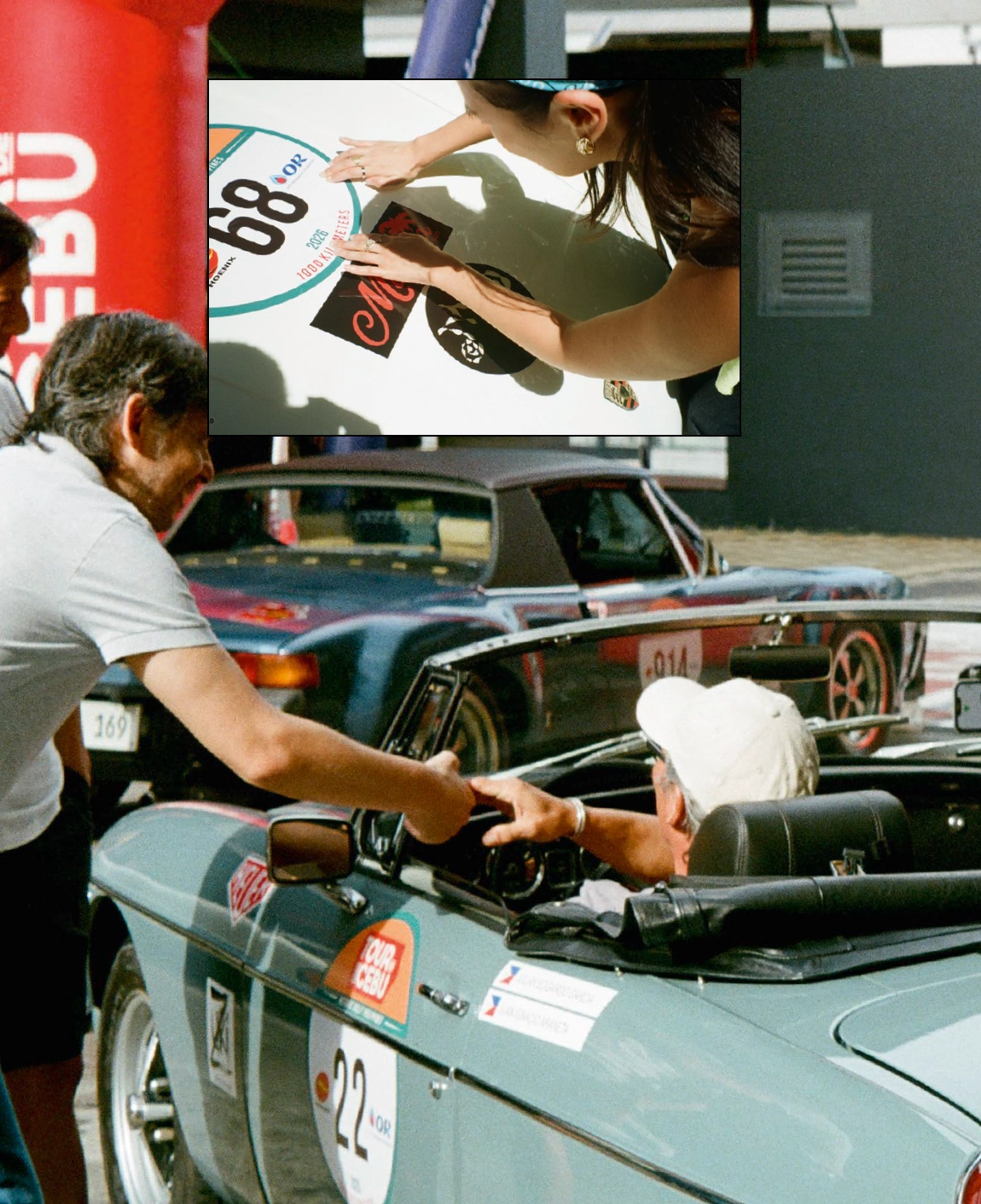
Thrilling as the highway overtakes were, the heart of Tour de Cebu is a game of accuracy over speed. As the name suggests, it began in Cebu, and in recent years, has made its way through other Visayan provinces like Bohol and Negros Oriental, while this year it was held in Negros Occidental. The annual three-day rally, which features entirely of historic sports cars, can feel like a race, but it relies entirely on a driver-navigator duo. A navigator dictates pace and directions from a roadbook with diagrams, while the driver attempts to execute them to the exact minute.
READ ALSO: At Tour De Cebu 2026, Vintage Cars Take The Long Road
Danielle Ramos And Cara Leonio Take On The Roads At Tour De Cebu 2026
My navigator was one of my best friends, Cara Leonio, and together, we made up the only all-female team in the rally—and perhaps the one with the youngest combined age. For many of the veteran drivers, the rally gets intensely competitive. That makes sense: hitting the checkpoints exactly on time requires serious math, quick calculations, and unwavering focus. An average driving day can stretch as long as eight hours in a car without the comforts of modern technology. Some cars didn’t have air-conditioning, for example.
But for Cara and me, it was a much more casual affair. We knew hardly anything of the mechanics of the rally before joining. Cara didn’t know how to read a roadbook, and I had honestly never driven more than a two-hour stretch. For the directions, we initially used Google Maps as a guide, with the roadbook dictating our average speeds. When Maps started glitching on the first day, Cara had to figure out the roadbook herself. She got the hang of it on our last day, navigating with the book alone. It came as a surprise to us both, then, that we completed the drive without being dead last.
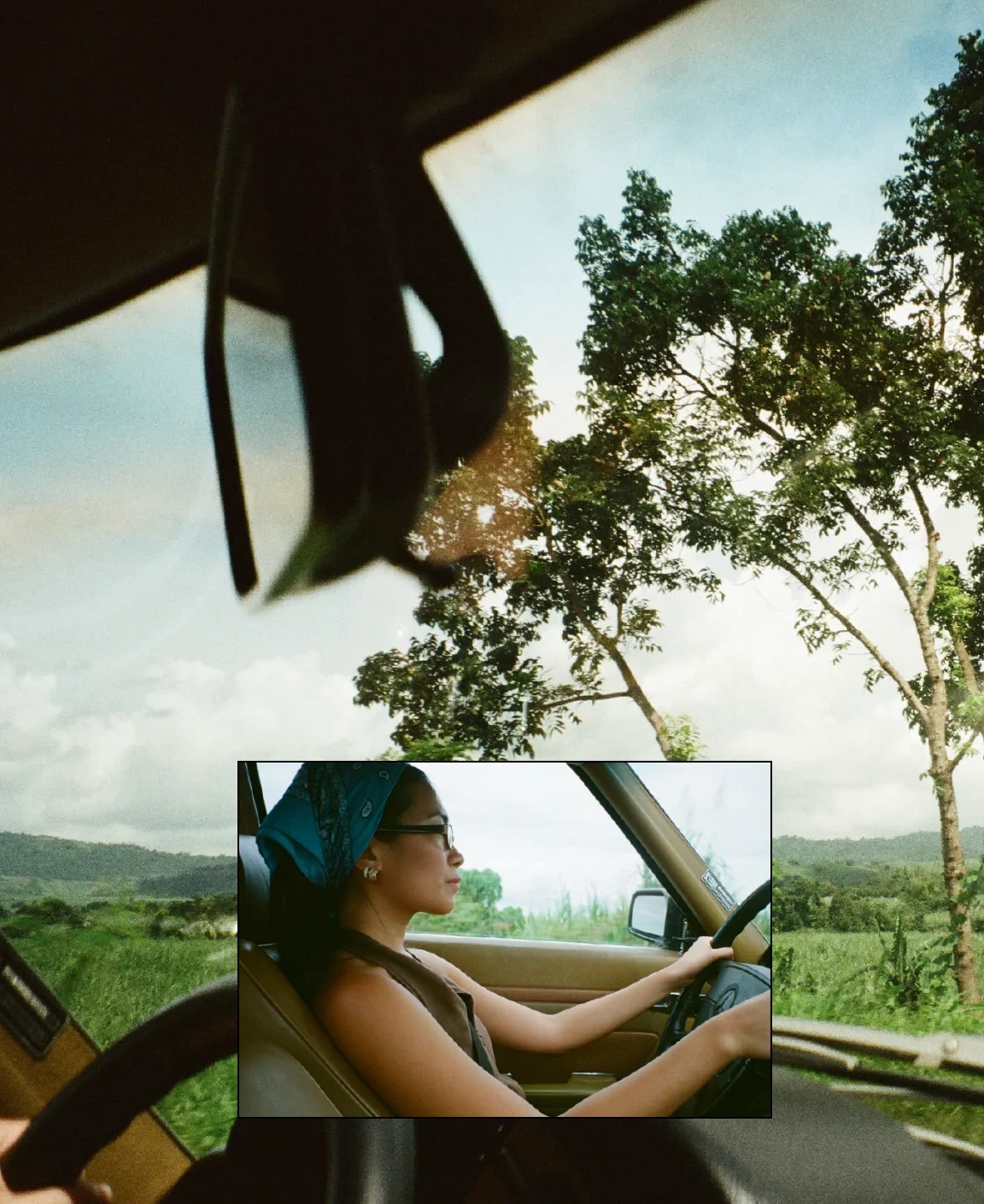
The route forced us onto roads less traveled. Smooth stretches of asphalt would suddenly give way to muddy trails, unexpected roadwork, deep potholes, and hairpin curves. Now and again, we’d get spurts of torrential downpour, with rain so heavy it was hard to see through the windshield. It’s the type of terrain you wouldn’t typically subject a 40-year-old car to. Sure enough, we saw a few participating cars stopping for repairs on the side of the road.
The country roads became the highlight of our drive. I grew up in Negros Occidental, spending 16 years of my life there, and I thought I knew these landscapes by heart. But it felt like I was seeing the place through an entirely new set of eyes.
As we navigated deeper into the countryside, Cara and I would constantly interrupt each other: “Did you see that bird?” “Look at how beautiful those hills are.” “What do you call that plant over there?”
We’d wave at the children cheering us on from outside their homes as we passed. When the tight roads or long hours started to make me nervous, Cara blasted Sabrina Carpenter to keep me calm. Each time we made a pitstop for lunch and refueling, we were greeted warmly by each city’s LGU, eating our meals in the public gym while the locals stopped drivers for photos.
We’d spend our evenings mingling with the other participants, at a retrothemed cocktail night at the historic Ruins in Talisay, and at an awards night at a coastal resort. Our mornings began at a parc fermé, the closed area where the cars were held before each stage.
My father, Tonet, also joined the rally with many of his friends. He’s part of a barkada that has shared multiple hobbies throughout the years, breeding a playful competitive spirit. I grew up watching him and these titos transition from polo, motorcycling, and scuba diving to vintageVintageIn wine, a vintage is the year in which the grapes were harvested, an indicator of the growing season's weather and its influence on quality. Collectors study vintages closely, sinceGo to Vintage Glossary car racing. They reported an entirely different experience from my own: some driving with no music on, arguing about directions, making up for lost time by pushing the pace on highways. “This has got to be your dad’s Super Bowl,” Cara laughingly told me one dinner.
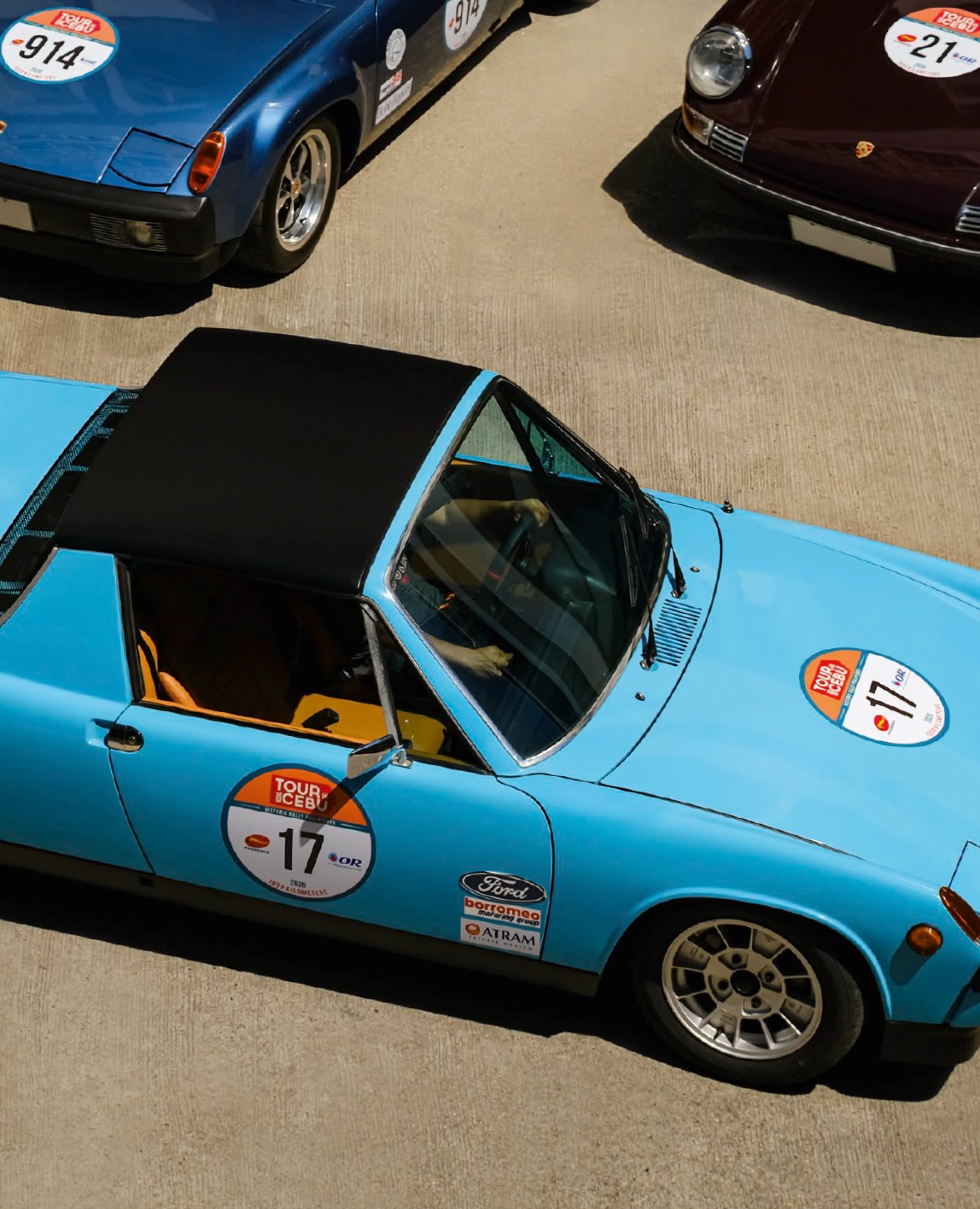
She wasn’t exaggerating. It felt that way. Each night, my father analyzed his scores and discussed strategy. He’d wake up at 3 AM just because of the excitement of it all. The efforts paid off. He and his navigator Lance ended up in first place overall. Bragging rights for a whole year, one of his friends teasingly quipped.
As for Cara and me, we’re happy with our finisher’s medals and special award as “Ladies of the Road.” My 560SL also survived pretty much unscathed, save for scratches on my windshield from my very aggressive use of the wipers in the pouring rain.
Now back in Manila, Cara and I halfjoke that we keep dreaming about driving. As we drift to sleep, we’re back inside the tan interiors of my trusty Mercedes- Benz, gliding along an endless highway of sugarcane trucks.
This article was originally published in our December 2026-January 2027 issue.
Photography by Danielle Ramos and Cara Leonio, additional photographs courtesy of Tour de Cebu
Frequently Asked Questions
Tour de Cebu is an annual three-day rally featuring historic sports cars. The rally relies on a driver-navigator duo, with the navigator dictating pace and directions from a roadbook while the driver attempts to execute them to the exact minute.
Tour de Cebu is a game of accuracy over speed. Drivers and navigators follow a roadbook with diagrams, directions, and average speeds, aiming to hit checkpoints exactly on time. An average driving day can stretch as long as eight hours.
Danielle Ramos and her navigator, Cara Leonio, were the only all-female team in the rally. Driving a 1986 Mercedes-Benz 560SL, the pair completed the 1,000-kilometer drive through Negros Occidental and received finisher’s medals and the special award as “Ladies of the Road.”
For Danielle Ramos and Cara Leonio, Tour de Cebu was a casual affair centered on enjoying the ride. The route took them through country roads, muddy trails, unexpected roadwork, deep potholes, and hairpin curves. They enjoyed the landscapes of Negros Occidental, waved at children cheering from their homes, and completed the rally without being dead last.