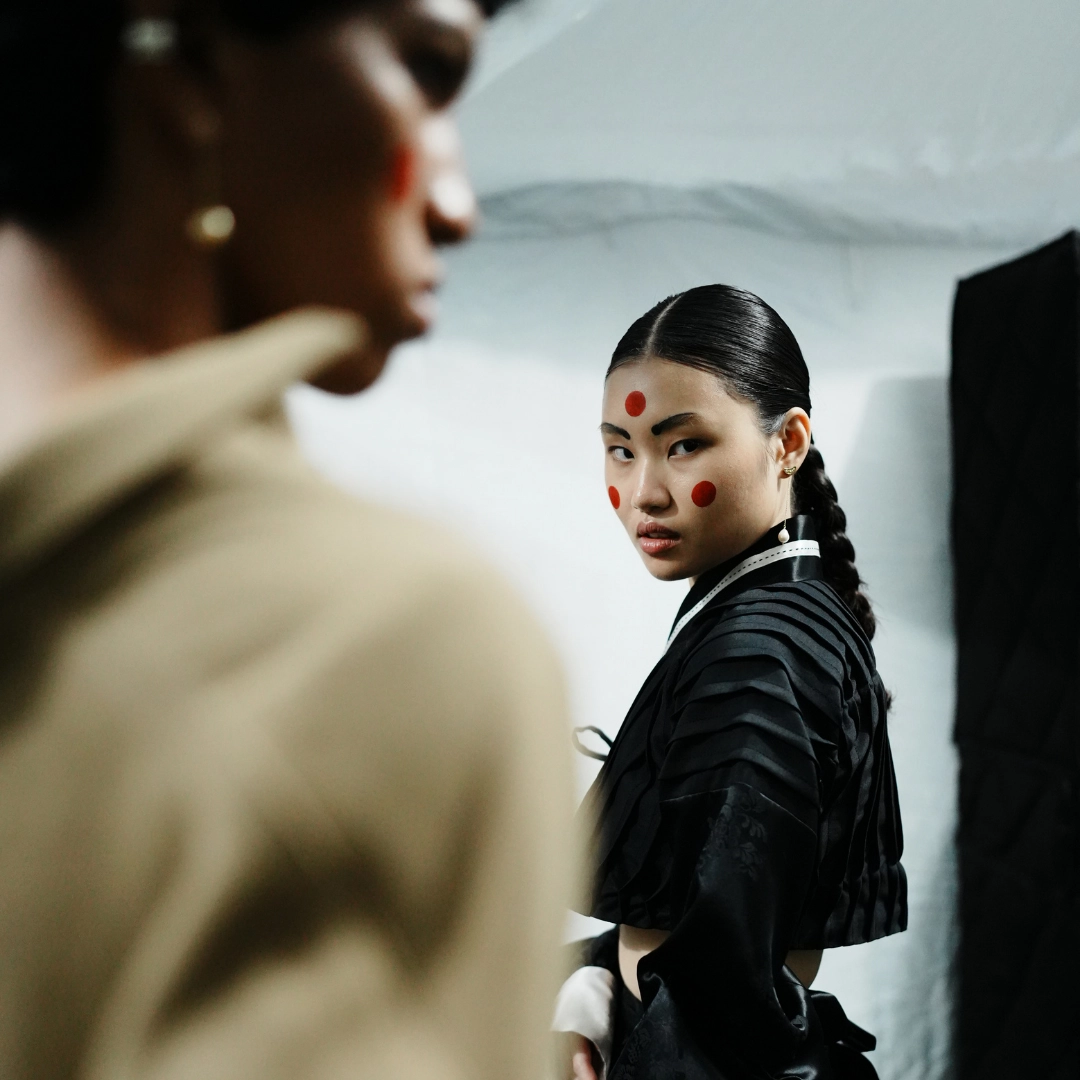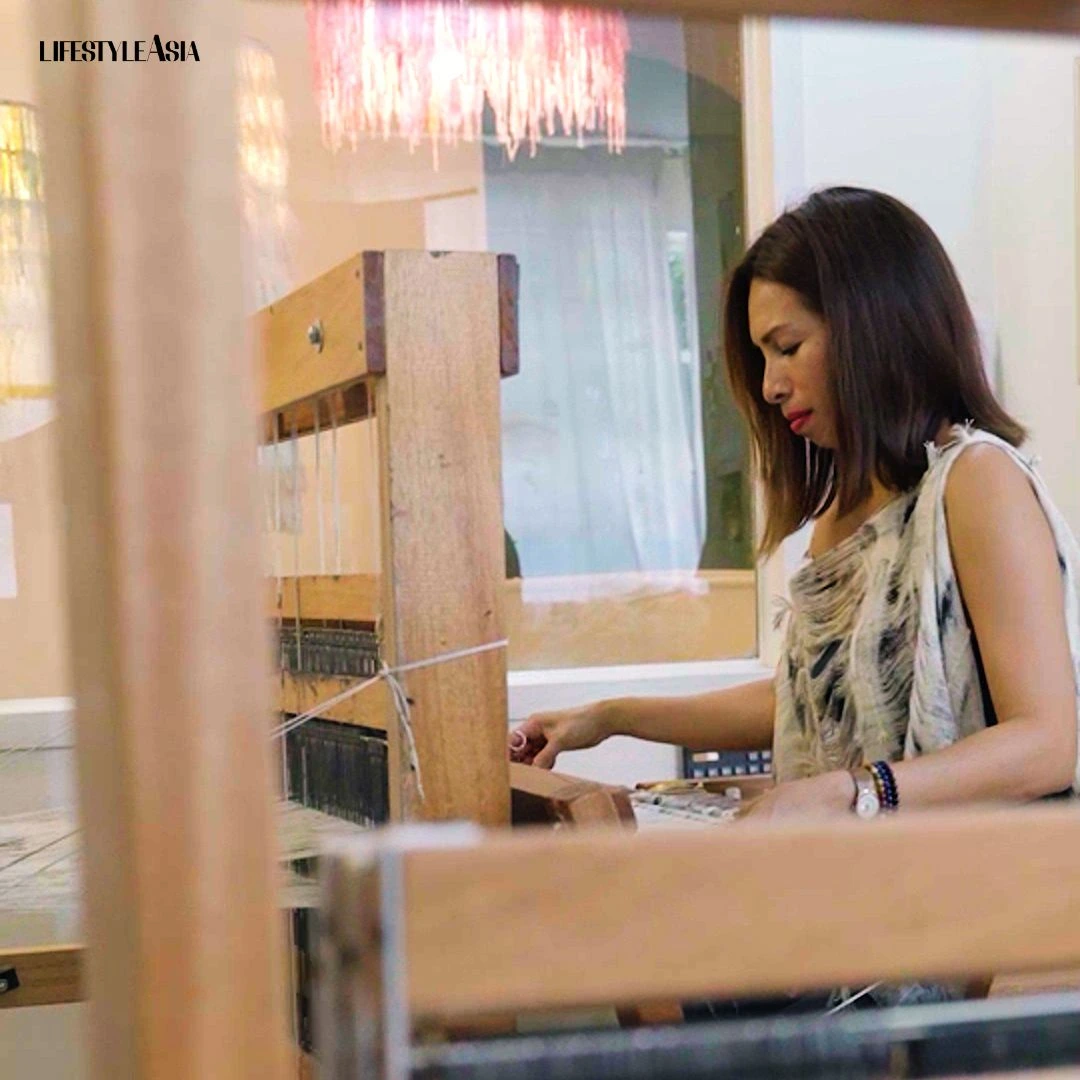
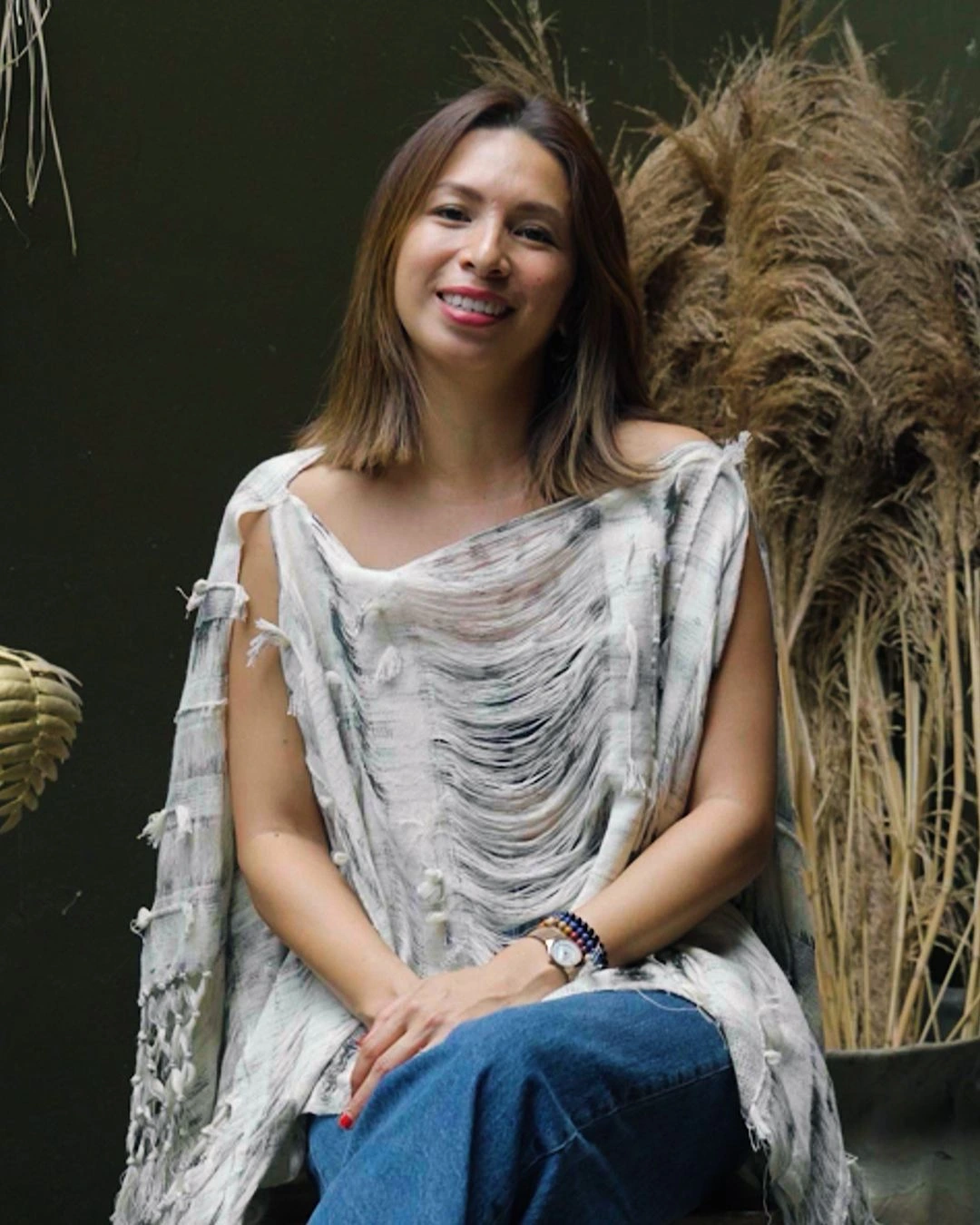
Adrienne Charuel of Maison Métisse reflects on heritage, material innovation, and the making of Lagda: a collection that places process, provenance, and the power of craft at the forefront.
As Lifestyle Asia explores compelling narratives of craft, history, contemporary practice, and identity, offering depth and perspective on the forces shaping cultureCultureshared traditions, beliefs, values, customs, arts, and social practices that define the identity and way of life of a community, society, or nation.Go to Culture Glossary today—we turn our lens to Maison Métisse and its evolving dialogue between heritage and modernity. At the heart of this conversation is founder Adrienne Charuel, whose work continues to bridge material innovation with cultural storytelling. In an intimate conversation, Adrienne reflects on the making of Lagda, the brand’s newest line, unpacking the ideas, processes, and provenance behind the collection.
READ ALSO: Too Much And Too Chic: Notes On Filipino Maximalism
Can you tell us about Maison Métisse and how your journey into weaving began?
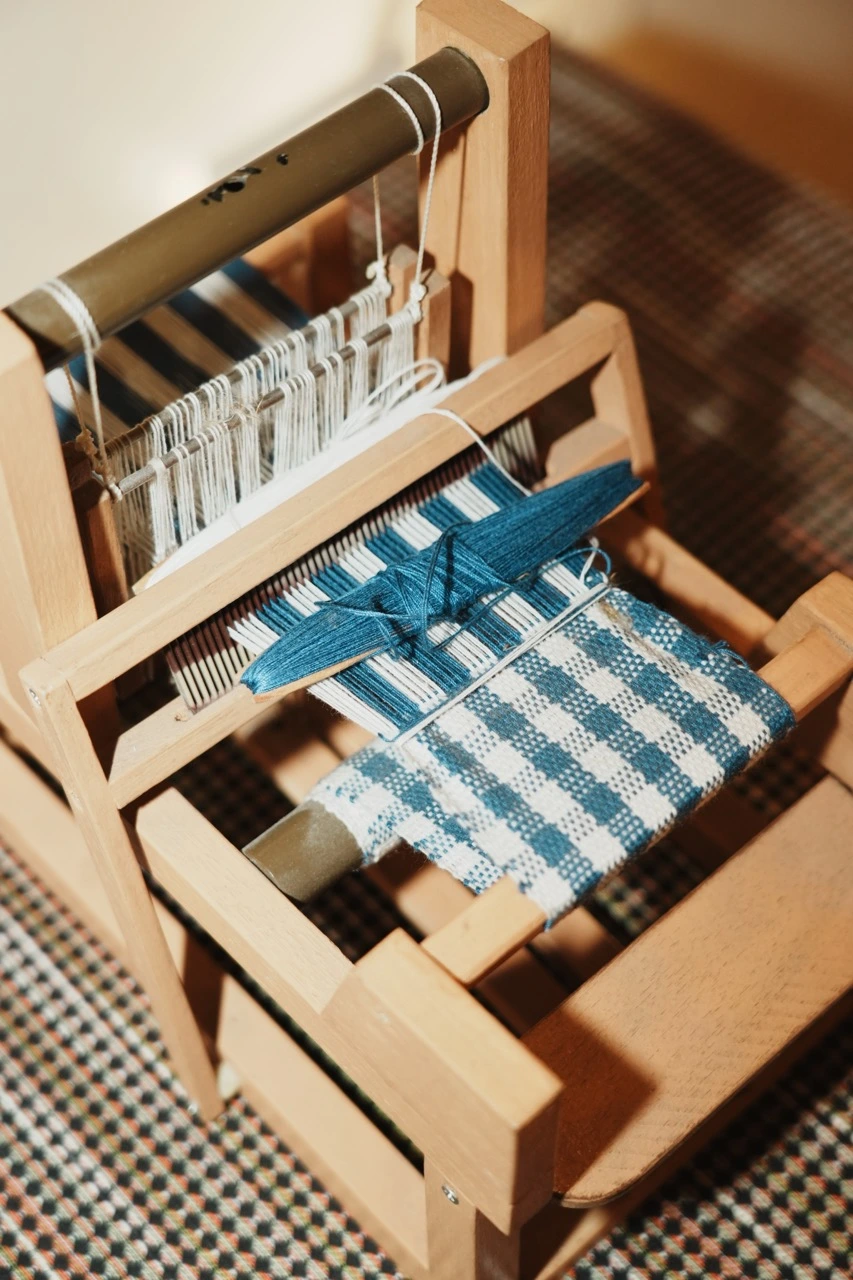
Adrienne: Maison Métisse is actually a very personal journey for me. It started as a search for a connection to my roots, which was sparked during my studies in Paris. It became even deeper when I moved to New York, when I sat in front of a loom. I discovered my creative identity and my creative freedom there. And then coming back to Manila, I learned that weaving is not just about preserving heritage, but also creating it.
And that’s why I asked myself, ‘What is my story?’ And I wanted to tell it thread by thread through my weaves. That’s how Maison Métisse was born.
What drew you to working with traditional techniques and natural dyes?
Adrienne: Thanks to my Japanese mentor, I was introduced to the Japanese way of crafting, which instills a certain reverence for making things. It’s not just about producing, but respecting every aspect of the process. She also introduced me to the concept of sustainability. For us, it’s been a recent trend, but in the Japanese way of crafting, they have been doing it for centuries. Having her as a mentor really guided me to honoring traditions first before I could translate them.
What does weaving represent to you, beyond the final garment?
Adrienne: Weaving is actually everything that happens before the final garment. It represents presence, a certain honesty, because then what I weave is a part of who I am. It represents freedom in expressing myself. And more importantly, it’s resilience, being able to create something out of almost nothing, watching it unravel thread by thread. There’s just some incredible joy that I experience from that, and it’s really a sacred ritual to me.
Can you introduce the Lagda line? How did this idea come about?
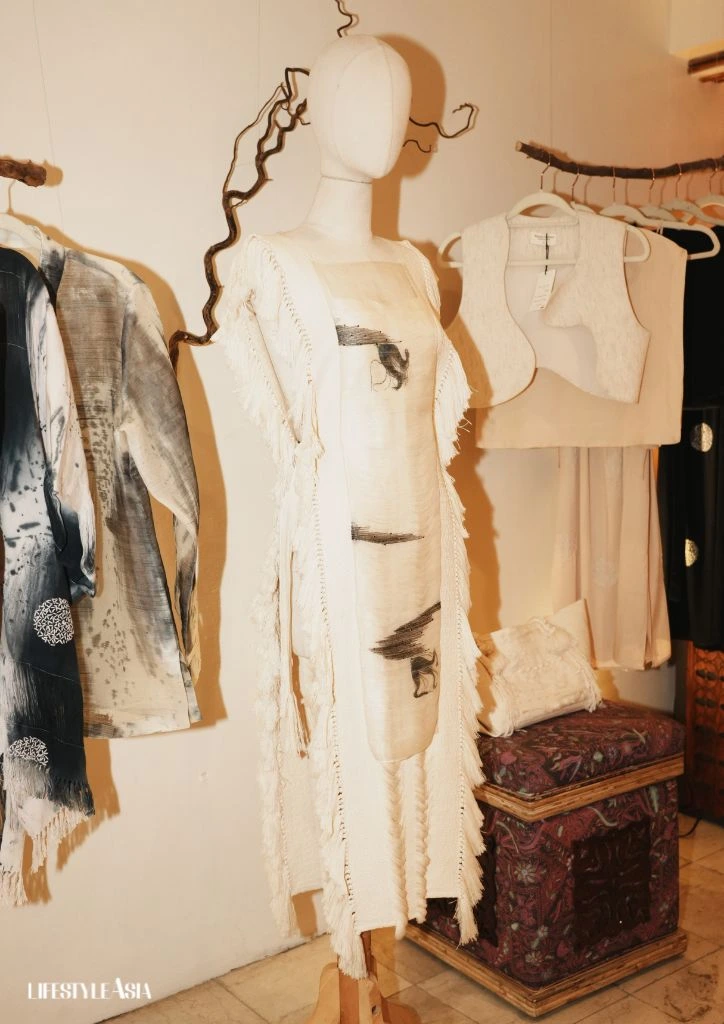
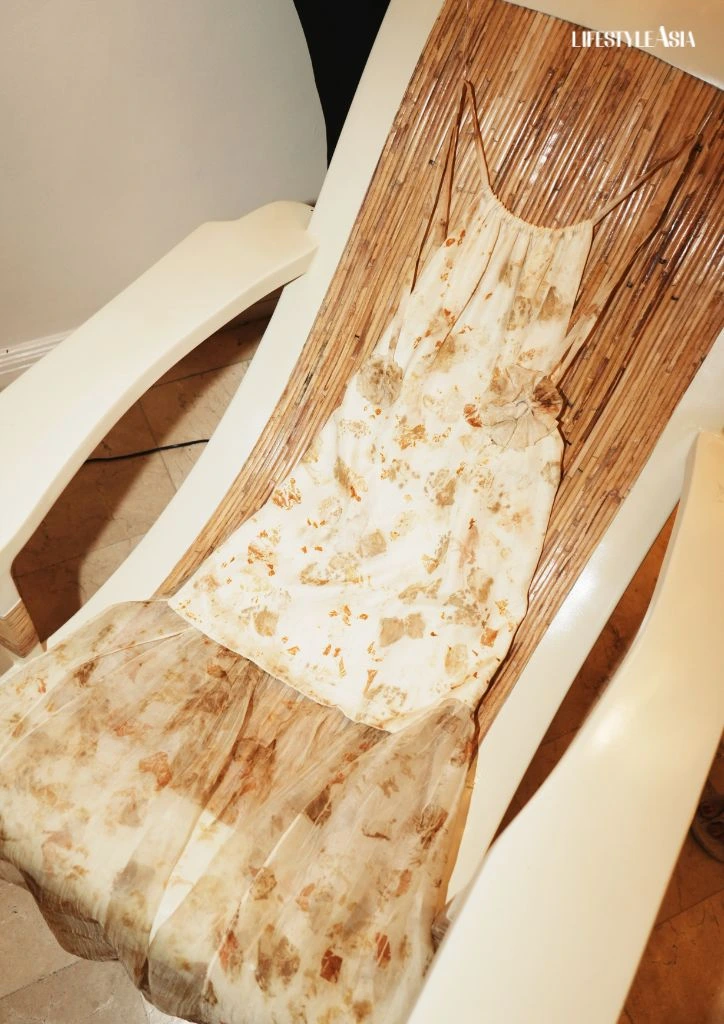
Adrienne: The Lagda line was actually coming from a quiet, honest frustration I would experience when we would do our pop-ups. Because we would show our pieces, but I felt that the hands behind the creations and the art design is often unseen. And I really wanted to highlight that: how many times we touch the thread when we weave. How many times does the artisan touch every millimeter of every fabric, just to show the dedication that goes into the work
What does it mean to make visible the labor behind clothing?
Adrienne: Well, for me, it means seeing the person behind the work itself, seeing the time, the dedication, that somebody cared to make this for you. That somebody took their time to create something with a lot of patience, with a lot of intention and dedication. I mean, the hand is the oldest tool of craft, and it’s just to connect the person with the artisan behind the product.
As the founder of Maison Métisse, what does it personally mean to you, working with your weavers?
Adrienne: As the founder of Maison Métisse, it’s very rewarding for me because I give them a safe space to express themselves freely in a very creative manner. Where they are not afraid to make mistakes; it’s celebrated, it becomes part of the journey. And they get to be who they are. I think it’s the most—maybe the best—feeling in the world when you can feel safe to express who you are and find joy in that. So that’s something that’s very meaningful for me.
How do you hope people respond when they see or wear these pieces?
Adrienne: I hope people respond to it with a sense of connection—not just to the textile, but also to the hands behind the garment, that somebody took the time to make it, somebody dedicated a lot of patience and effort into it and also just to understand that there is a person behind the creation and that it is done with a lot of love and attention. [I hope] that they have a newfound respect for textiles and they are proud of wearing them.
What does slow fashion mean in your practice today?
Adrienne: For my practice, fashion is actually a discipline, it is representing how we do things very intentionally in the atelier. We honor the lineage of artisans or weavers before us and we do that by really being intentional, practicing a reverence and sacredness to the way we do things, honoring traditions while interpreting it for the world today.
How do you see Maison Métisse, and weaving, evolving in the future?
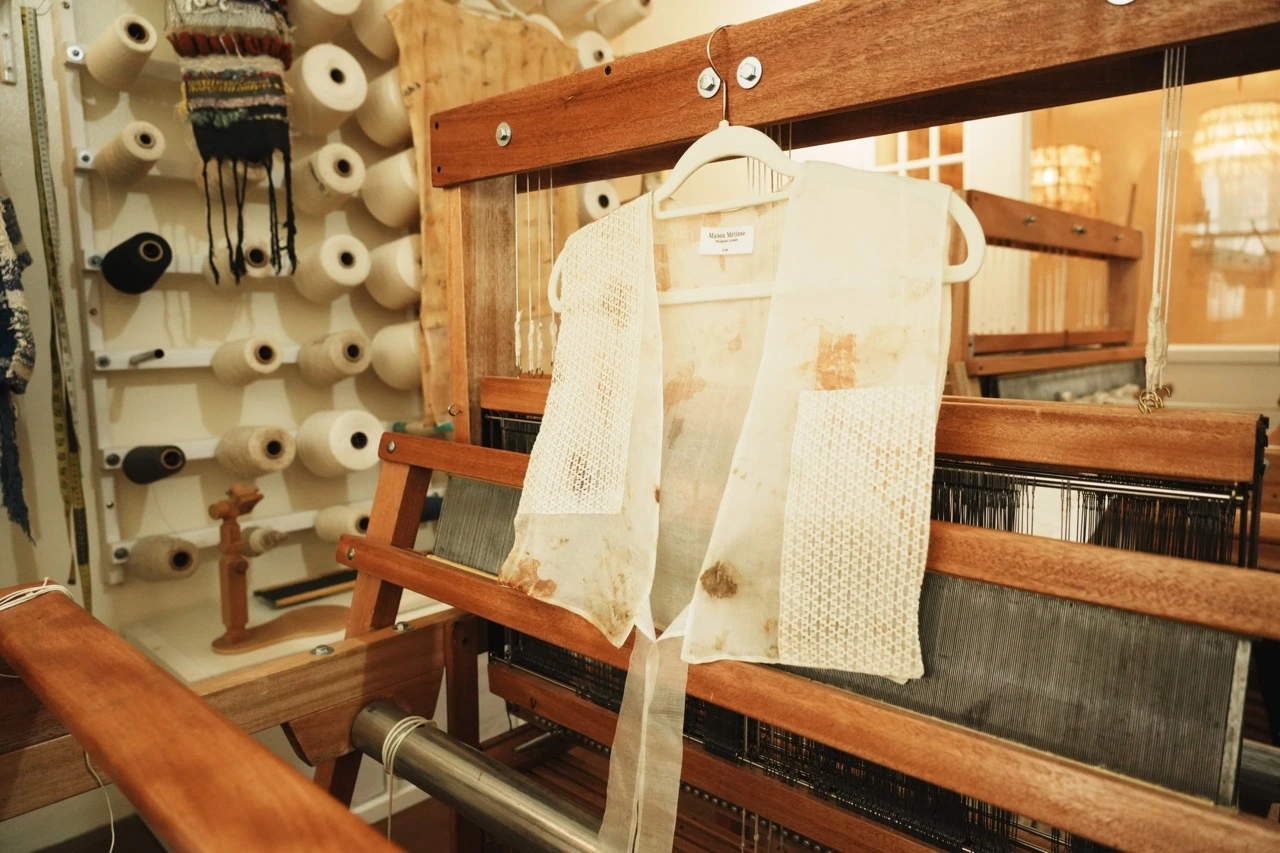
Adrienne: Maison Métisse will evolve as a living bridge between heritage and self-expression. We are also shaping a new category of Philippine textiles—mainly modern Philippine weaves—without losing our respect for traditions and the lineage of artisans behind us. I hope that Maison Métisse will continue to be a platform for the respect of craft and, more than anything, also for how deeply human the process is and the humanness to the craft that we do.
Photography by Kieran Punay of KLIQ, INC.
Frequently Asked Questions
Maison Métisse is a weaving brand founded by Adrienne Charuel as a personal exploration of heritage and creative identity, shaped by her studies in Paris, her introduction to weaving in New York, and her return to Manila to deepen her practice.
“Lagda” is a collection by Maison Métisse that aims to make visible the artisan labor behind handwoven textiles, highlighting how many times a weaver’s hands touch every thread and millimeter of fabric throughout the process.
Adrienne Charuel credits her Japanese mentor for introducing her to a craft philosophy rooted in reverence for process and long-standing sustainability practices, which shaped her approach to honoring tradition before reinterpreting it.
For Adrienne Charuel, slow fashion is a discipline practiced intentionally in the atelier, honoring the lineage of artisans and weavers who came before her while interpreting tradition for a contemporary audience.
Adrienne Charuel envisions Maison Métisse as a living bridge between heritage and self-expression, shaping a new category of modern Philippine weaves while continuing to honor the lineage and respect of the artisans behind the craft.